What are the best Google Ads alternatives at a glance?

Many businesses rely on Google Ads (formerly Google AdWords) for search engine advertising. However, for a well-rounded SEA mix, you should also consider Google Ads alternatives. Platforms like Meta Ads allow for targeted campaigns in search networks, online marketplaces, and social media. Additionally, content discovery networks offer reach on large publisher websites.
Key Takeaways
Besides Google Ads, there are numerous alternatives for a successful SEA mix.
- Frameworks such as the
GDPRand theDSArequire legally compliant consent management. Microsoft Advertisingoffers search ads with less competition.Amazon Adsreaches ready-to-buy audiences in the e-commerce environment.Meta Ads,TikTok Ads, andPinterest Adsare suited to building reach;OutbrainandTaboolato native ads.
Advertising in transition and the influence of DSA, GDPR, cookie consent and cookieless tracking
Before comparing alternatives, it’s worth taking a brief look at the conditions. Many campaigns today fail not because of the platform, but because of measurability, consent rates, or unclear legal foundations.
Digital Services Act means more transparency in platform advertising
The Digital Services Act (DSA) strengthens transparency and user rights on large online platforms within the EU. For advertisers, what’s particularly relevant is that platforms must disclose more about why users are seeing certain ads and who is behind them. Additionally, certain targeting practices are being restricted, especially regarding sensitive data. In practice, this often leads to:
- more transparency and labelling obligations,
- more standardised targeting options,
- a greater focus on contextual or modelled delivery.
GDPR and cookie consent and how absence of consent affects targeting and measurement
In the EU, for many forms of tracking and personalised advertising, you need legally valid consent from users (cookie consent). This applies, for example, to:
- retargeting pixels,
- third-party cookies,
- cross-device identifiers,
- and sometimes conversion measurement (depending on the setup).
The lower the consent rate, the less data is available for targeting and attribution. That’s why consent management (e.g., via a Consent Management Platform/CMP) is now an operational prerequisite for data-driven advertising.
Before launching campaigns, check whether your CMP is technically integrated correctly (tag firing only after consent) and if your consent banner provides the necessary information transparently. Otherwise, campaigns will run, but reporting and optimisation will be distorted.
Privacy Sandbox and cookieless tracking and the shift in the role of third-party cookies
Browser restrictions and new standards are fundamentally changing the handling of third-party cookies. Google has reversed its original plan to eliminate them in Chrome and is instead focusing on a user-choice model. In October 2025, due to low adoption, it also retired most of the technologies of its Privacy Sandbox (including Topics, Protected Audience and Attribution Reporting), which were meant to provide more privacy-friendly alternatives. Nevertheless, the direction is clear: traditional cross-site tracking is becoming less reliable. For advertisers, this already means:
- less clearly attributable conversions,
- greater discrepancies between platform KPIs and web analytics,
- less reliable attribution models.
Instead, the following are becoming more important:
- first-party data (e.g., logins, CRM, newsletters),
- modelled conversions (statistical projections),
- contextual targeting,
- server-side measurement and event forwarding.
Server-side tagging for more stable measurement and better data control
Server-side tagging moves parts of data collection from the browser to a server. This can help reduce measurement losses caused by browser blocking and improve control over data flows. The advantages are:
- more stable event capture (e.g., purchases/leads),
- better performance (fewer client scripts),
- greater control over which data goes to which platform,
- cleaner implementation of privacy-friendly settings.
Server-side tagging does not replace a legal basis. Even server-side, you must observe consent and information obligations.
The best Google Ads alternatives
Google has since renamed its advertising platform from Google AdWords to Google Ads. It is a highly automated system for search and display campaigns. In addition to search ads in the Google ecosystem (and comparable offerings such as Microsoft Advertising), advertising platforms from online marketplaces, social networks, and content discovery services now play a central role in online marketing. They make it possible to manage campaigns based on usage context, interests, or purchase intent. This helps build reach, open up new customer segments, and allocate budgets more efficiently. Below, we present the most important platforms and show what each one is best suited for.
Microsoft Advertising
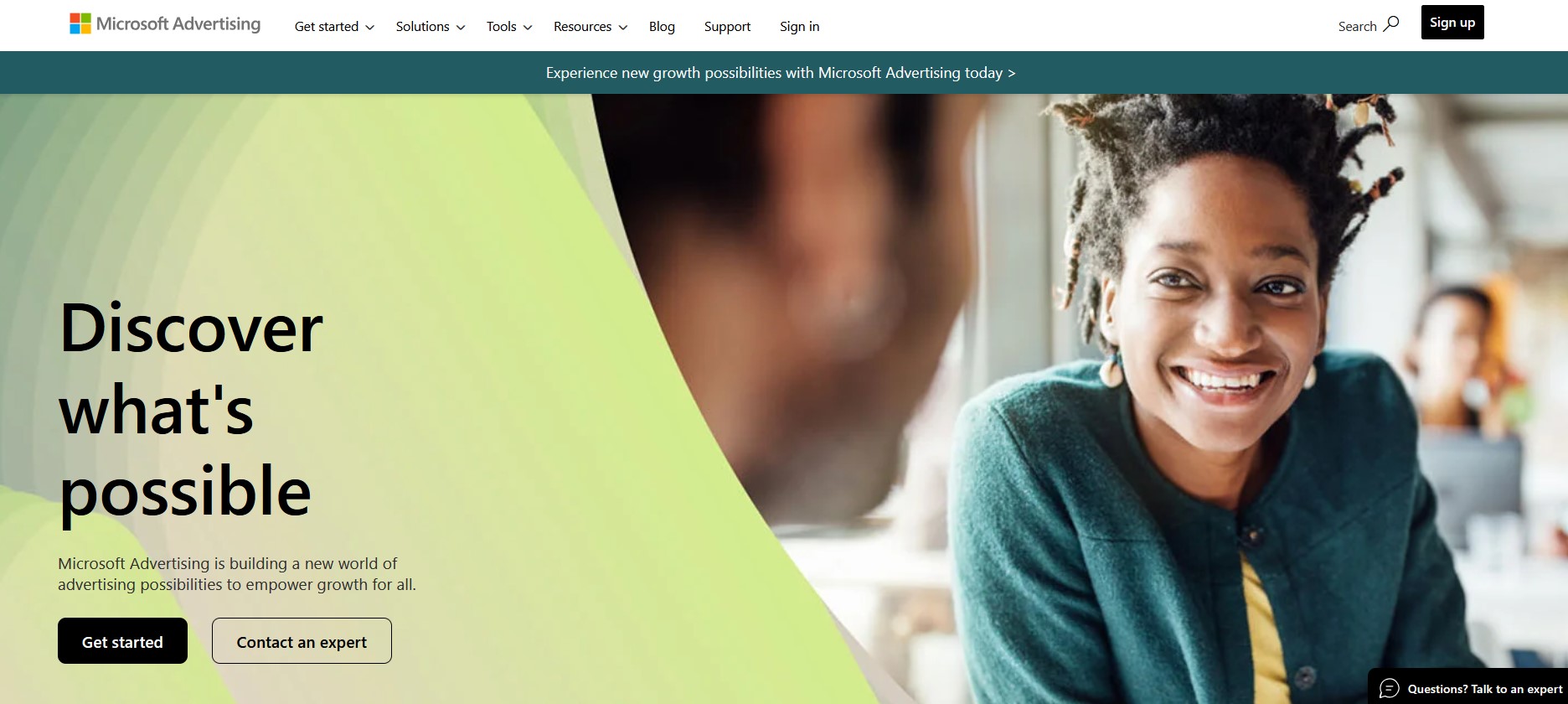
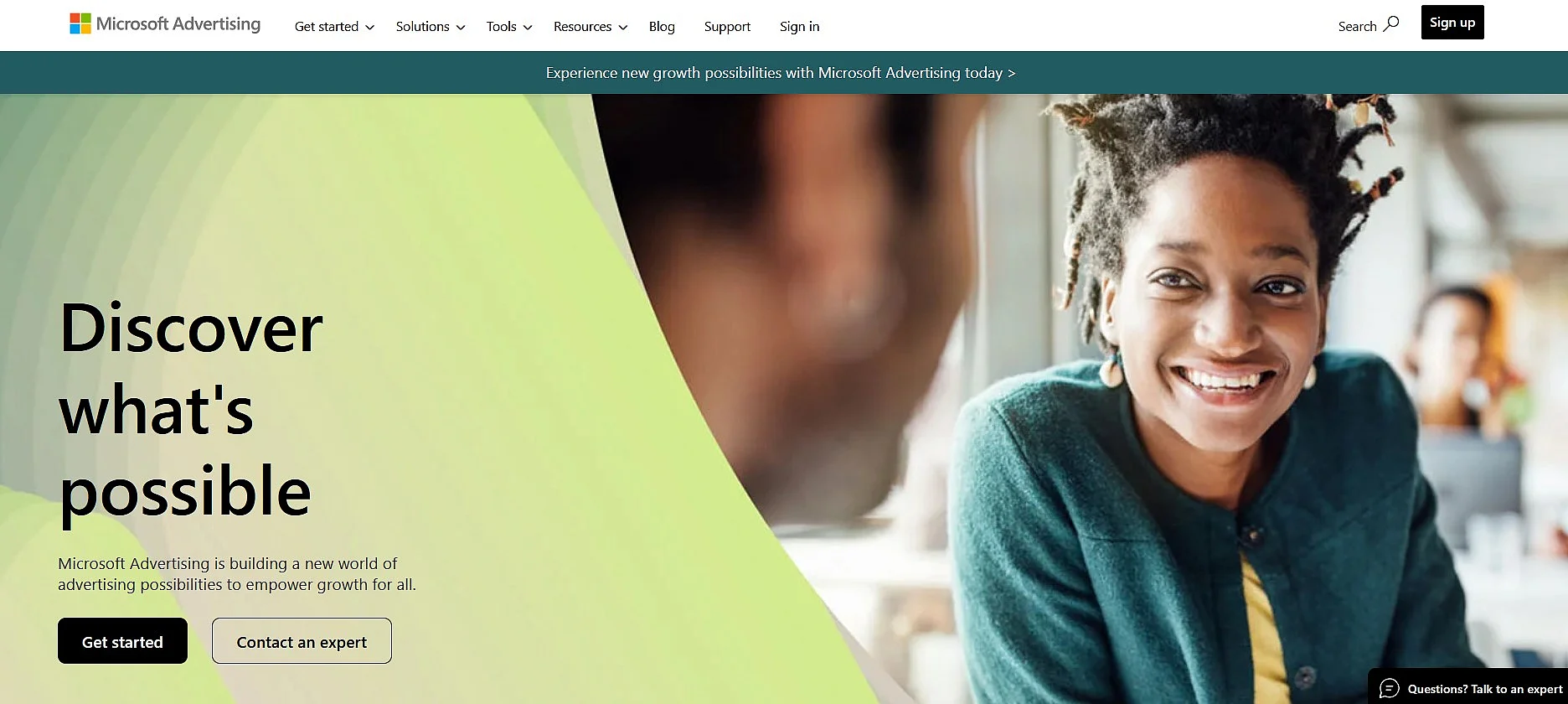
Microsoft Advertising is Microsoft’s advertising platform and an established Google Ads alternative for search ads. As with Google Ads, advertisers bid on keywords. Ads are delivered via automated auctions and billed on a pay-per-click basis. Because there are generally fewer advertisers active in the Microsoft Search Network, competition for ad placements is usually lower, which results in lower click prices.
In addition to classic search ads, campaigns can also be delivered across partner and network environments. Many settings can be imported directly from Google Ads, which makes getting started easier.
| Advantages | Disadvantages |
|---|---|
| ✓ Less competition than with Google Ads | ✗ Relatively low reach |
| ✓ Often lower click prices | |
| ✓ Easy campaign migration |
Amazon Ads
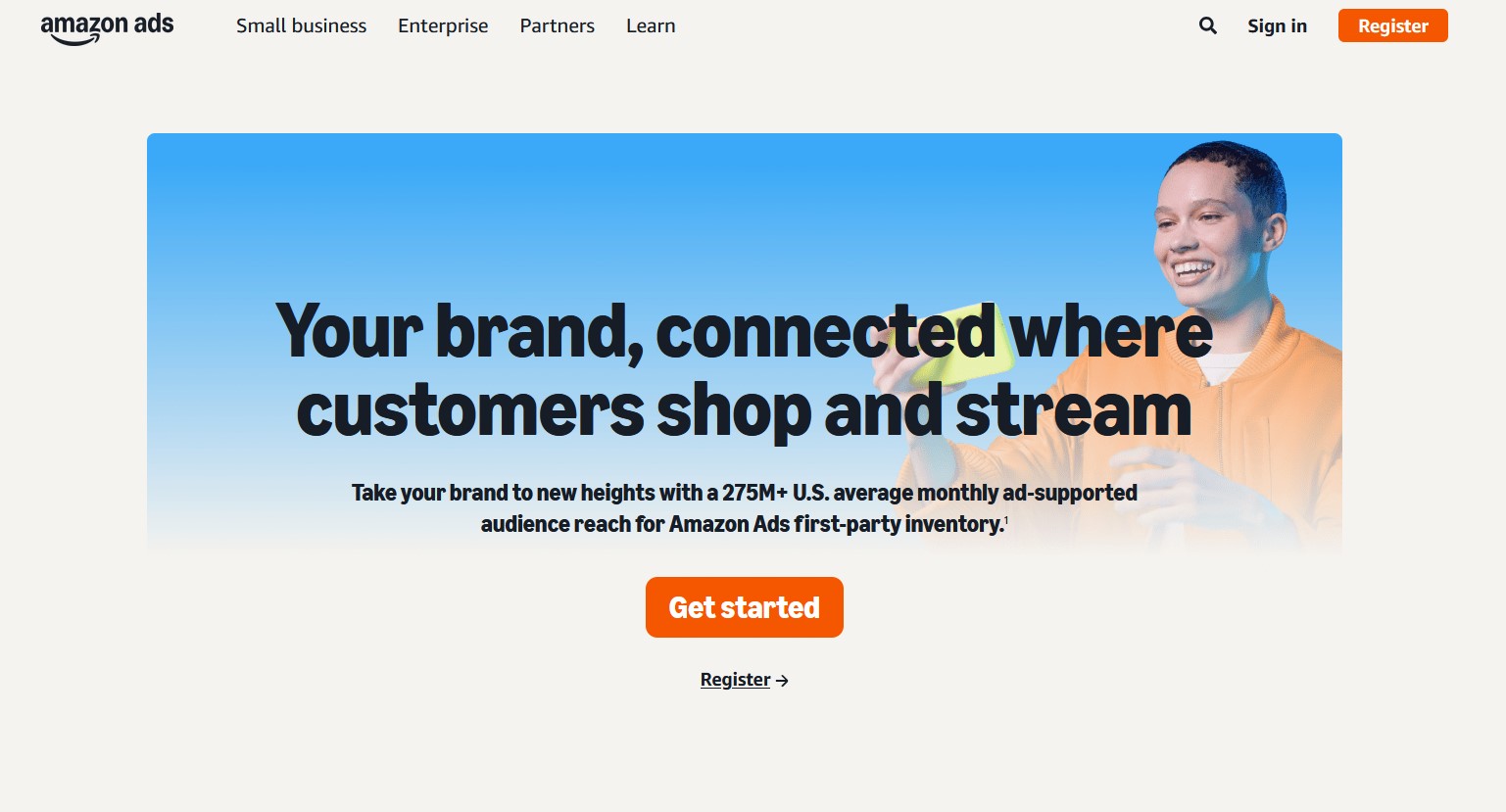
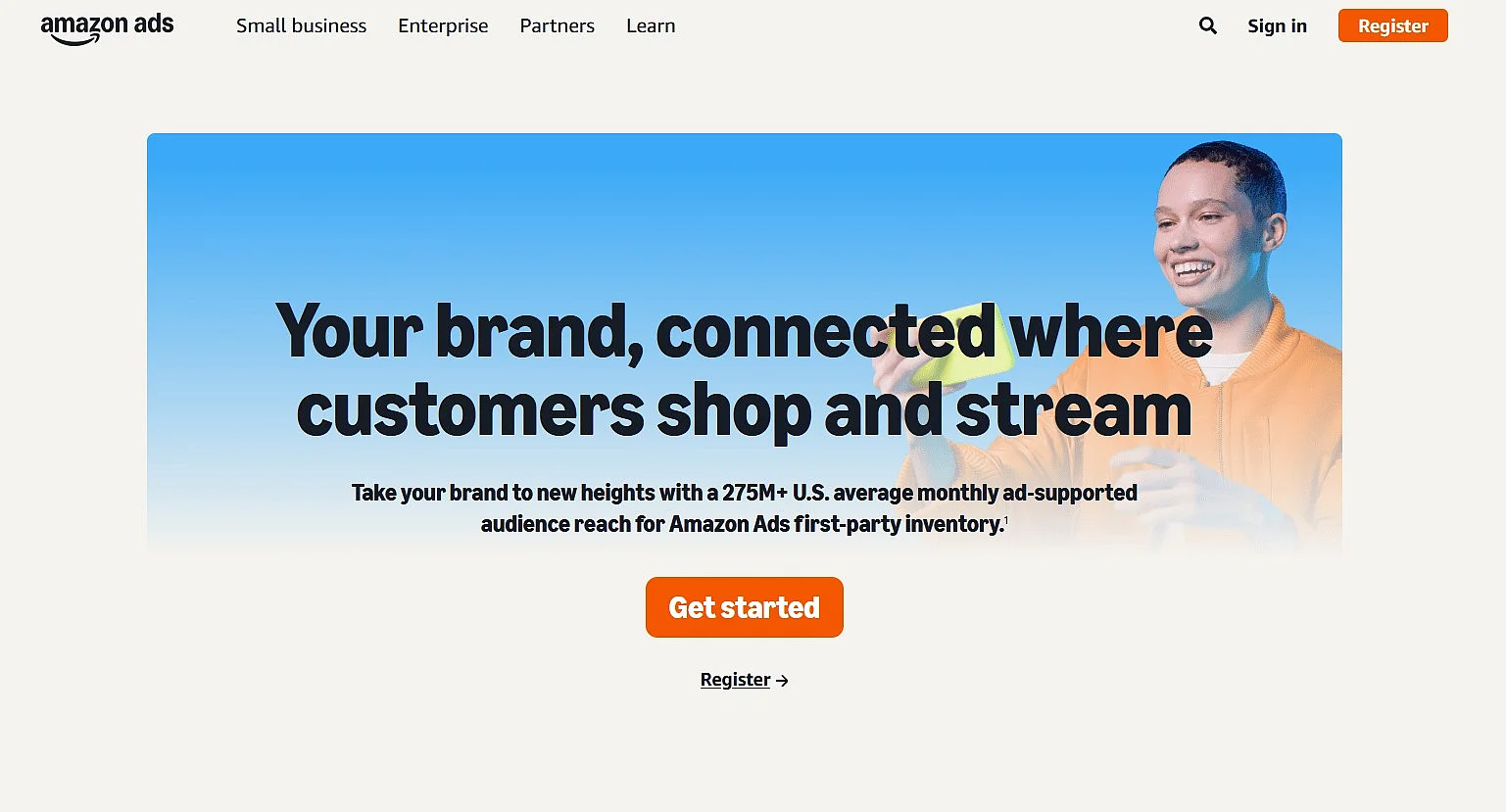
Amazon Ads is the advertising platform of the online marketplace Amazon and one of the most important Google Ads alternatives in e-commerce. Many users research and buy products directly on Amazon, so ads often reach high-intent audiences close to purchase. Companies can promote products using various formats, including Sponsored Products, Sponsored Brands, and Sponsored Display Ads. Ads appear in search results, on product detail pages, or alongside similar products and are delivered based on keywords, products, or interests. Billing is typically based on a cost-per-click model.
Success measurement and campaign control take place largely within the Amazon ecosystem and are therefore less dependent on third-party cookies. However, like other major platforms, Amazon Ads must comply with applicable privacy regulations. Amazon Ads is especially suitable for performance and conversion campaigns and works best for companies that sell products on Amazon.
| Advantages | Disadvantages |
|---|---|
| ✓ Very high reach in the e-commerce environment | ✗ Only for companies that sell via Amazon |
| ✓ Ads shown directly to ready-to-buy target audiences | ✗ Strong competition within many product categories |
| ✓ Combination of search and display ads |
TikTok Ads
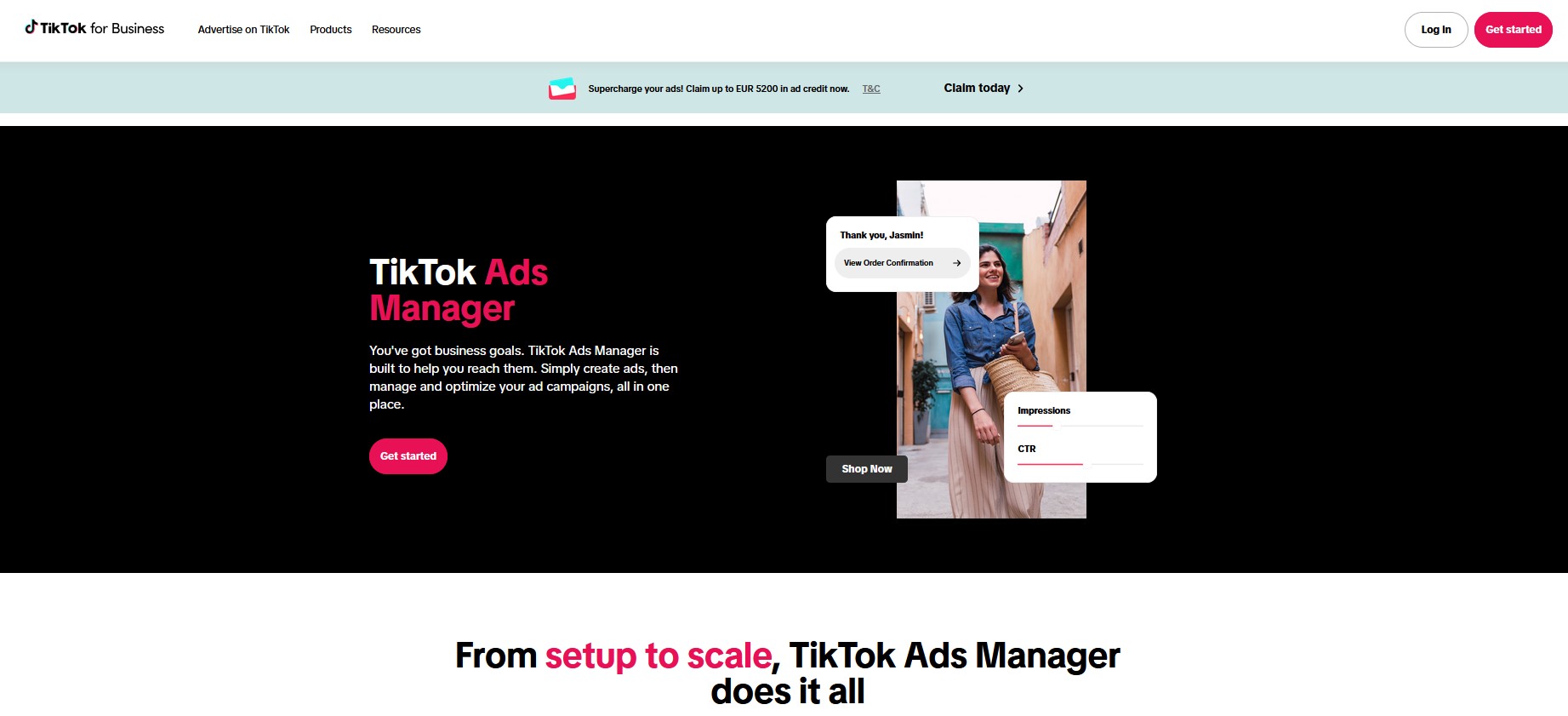
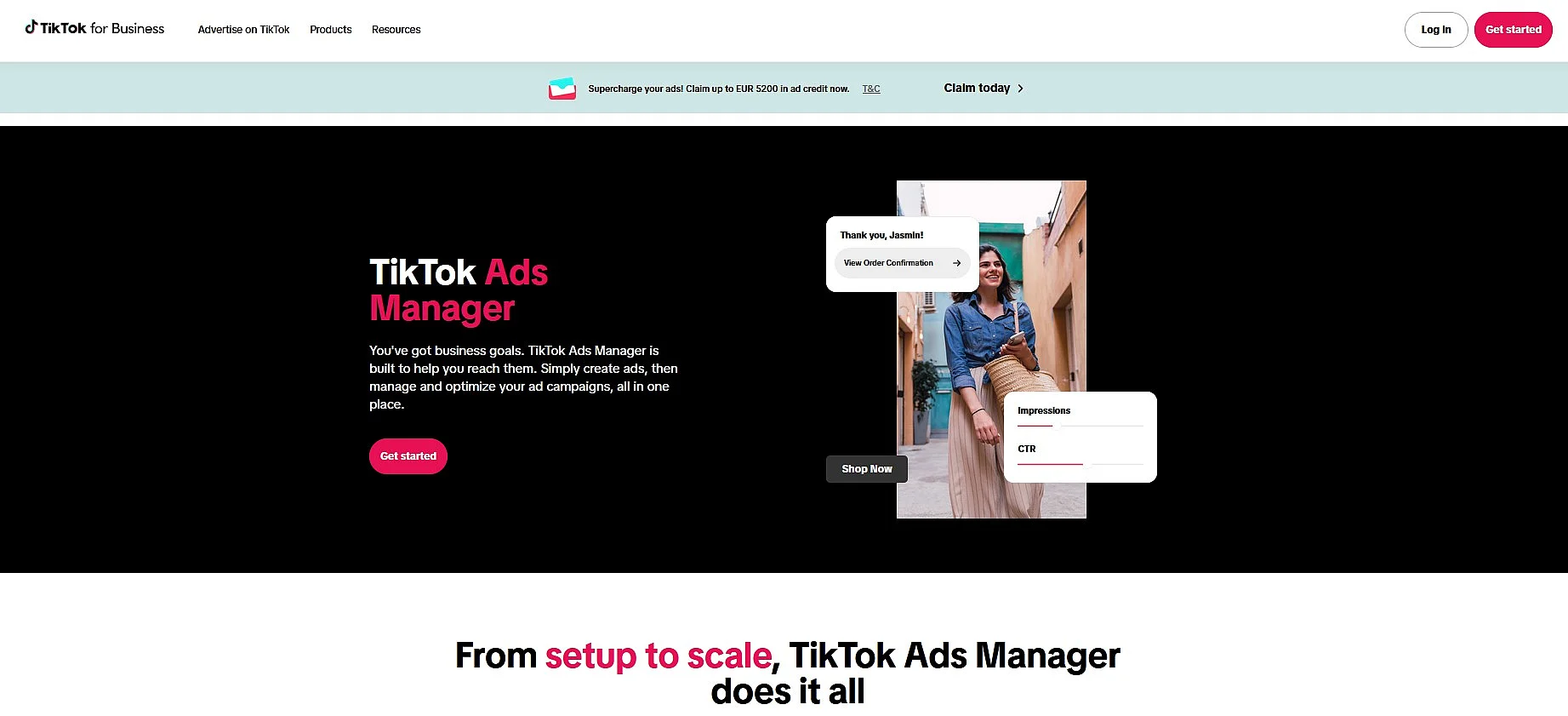
TikTok Ads is the advertising platform of the social network TikTok and one of the fastest-growing Google Ads alternatives in social media advertising. Ads are primarily delivered as video formats within the feed and blend closely with organic content. Rather than capturing existing search demand, the focus is on generating attention and reaching users early in the decision-making process.
Ad delivery is highly automated and increasingly based on AI-driven optimisation models. TikTok Ads is particularly suitable for reach, engagement, and performance-oriented campaigns, provided there is enough creative video content. For products that require a lot of explanation or for purely search-driven campaigns, however, the platform is only a limited fit.
| Advantages | Disadvantages |
|---|---|
| ✓ Very high reach | ✗ High creative effort |
| ✓ Strong engagement | ✗ Less manual control |
| ✓ Good performance with video ads |
Meta Ads (Facebook & Instagram)
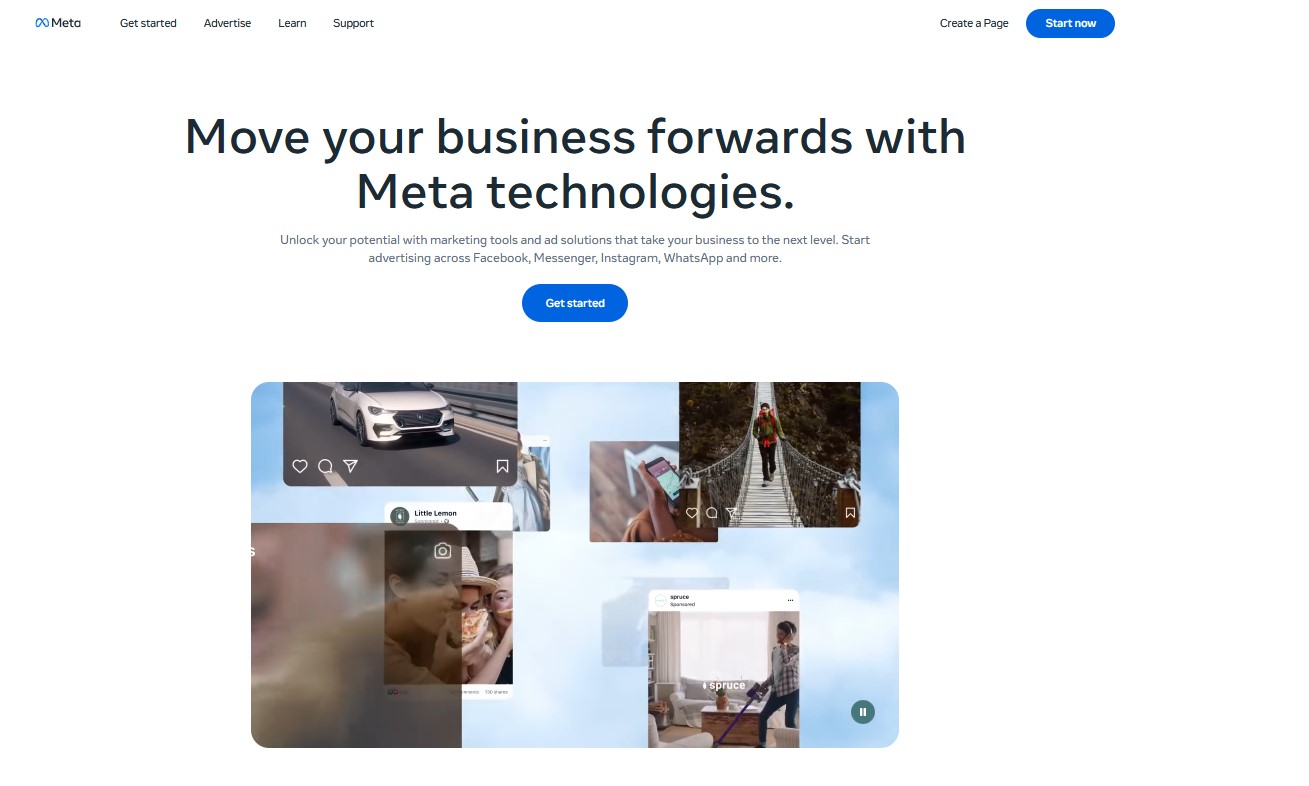
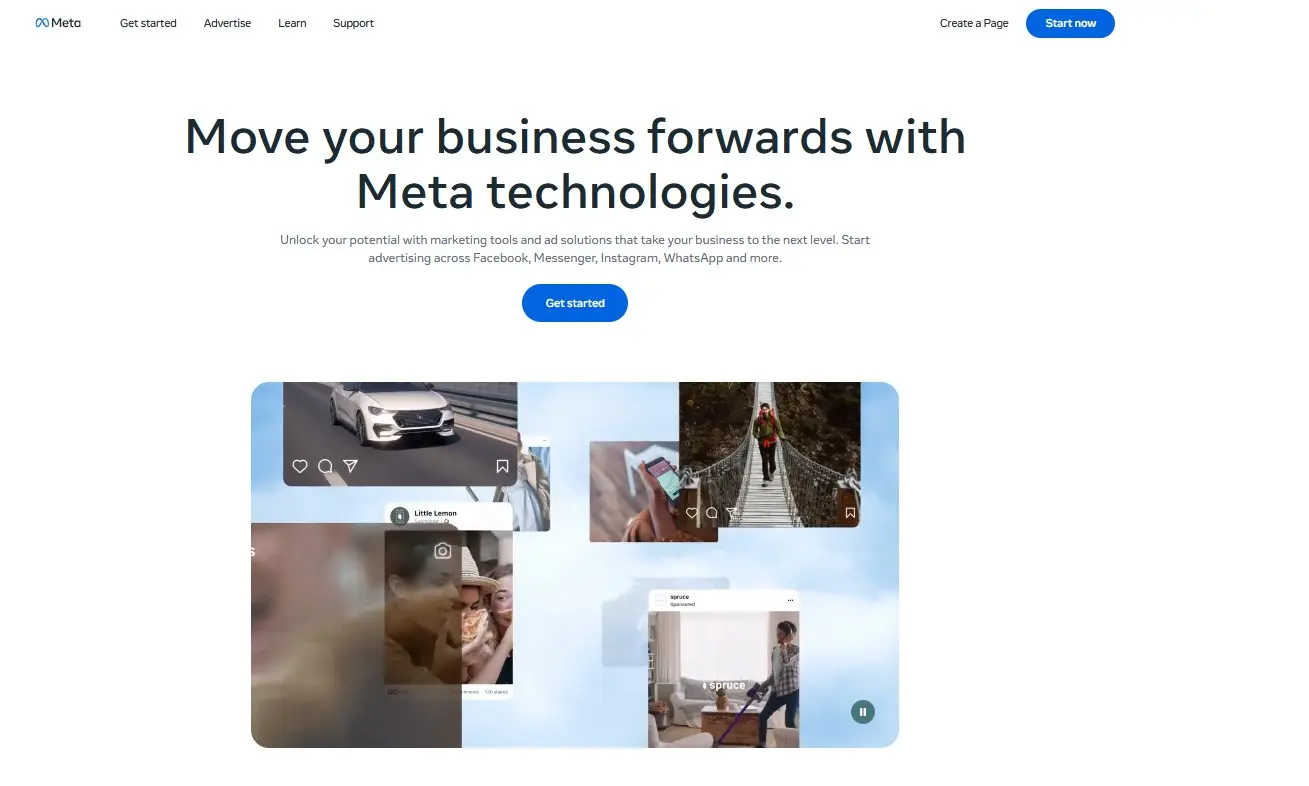
Meta Ads bundles the advertising options on Facebook, Instagram, and other Meta platforms and is a key Google Ads alternative outside of classic search ads. Companies can use both traditional display ads and ad formats integrated into the content, which are shown in the feed, in Stories, or between other content.
Audience targeting is based on location, demographic characteristics, interests, and user behaviour. Meta delivers ads automatically and optimises them based on bid and relevance. The platform is particularly suitable for building reach, brand awareness, and lead generation, but it requires clear goals and competitive creatives, since competition for attention is high.
| Advantages | Disadvantages |
|---|---|
| ✓ Very high reach in social networks | ✗ A lot of competition |
| ✓ Precise audience targeting | |
| ✓ Diverse ad formats | |
| ✓ Well suited for brand building and lead generation |
Outbrain
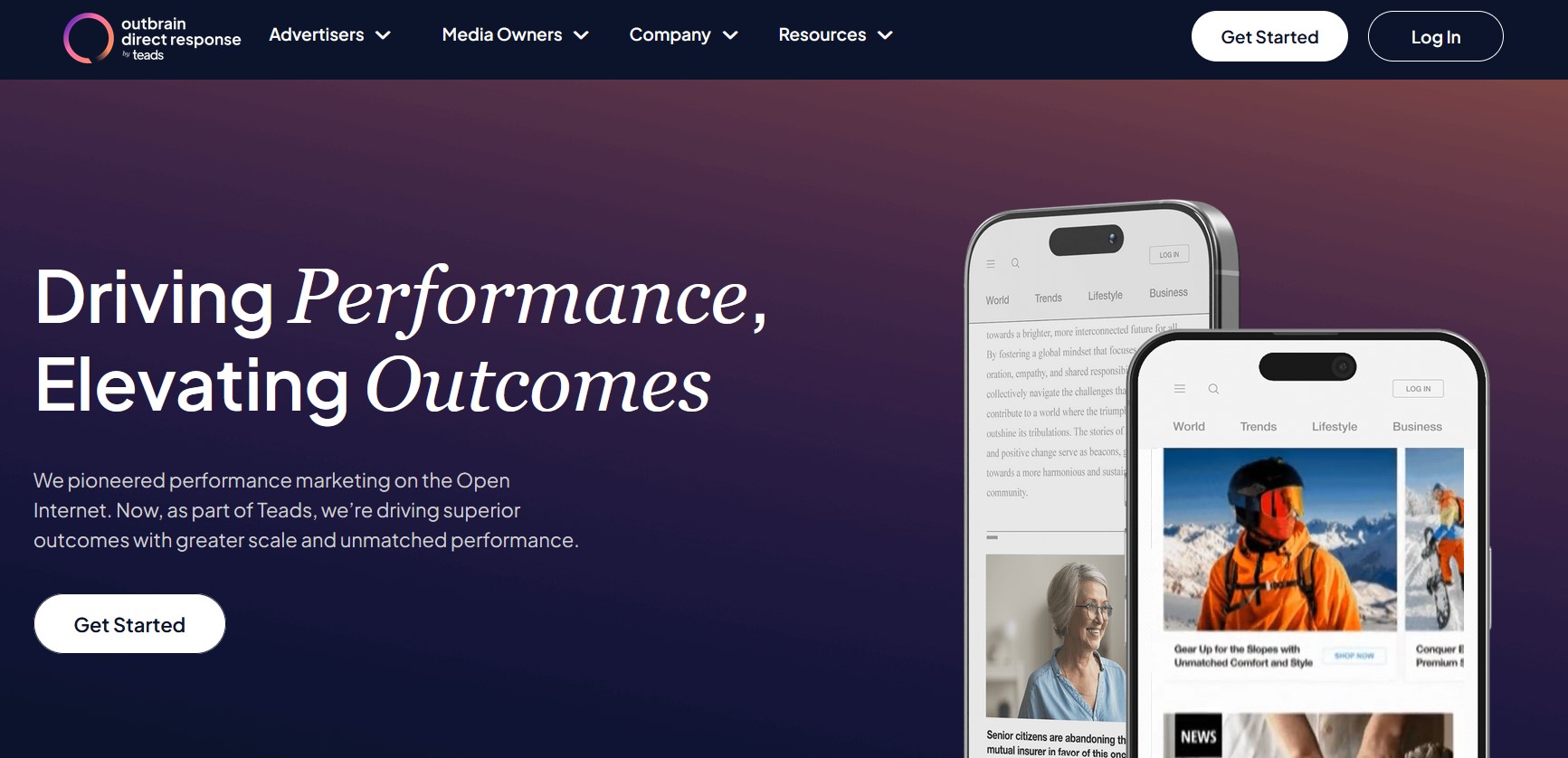
Outbrain is a content distribution network for native advertising campaigns. Companies place editorial content as recommended articles on major publisher websites that link to the advertisers’ external pages. Billing is based on the cost-per-click principle, with the budget automatically controlling the reach.
Delivery is contextual, in a matching editorial environment. Titles and preview images can be varied and optimised, for example using A/B tests. Outbrain is mainly suitable for building reach and brand awareness, and less for direct sales. Campaign success depends heavily on the quality and credibility of the content, since sensationalist clickbait headlines can damage performance and the publisher environment in the long term.
| Advantages | Disadvantages |
|---|---|
| ✓ High reach via major publisher websites | ✗ No direct search intent |
| ✓ Native embedding in editorial content | ✗ Service is notorious for clickbait and fake news |
| ✓ Good for content and reach campaigns | ✗ Success highly dependent on content quality |
Taboola
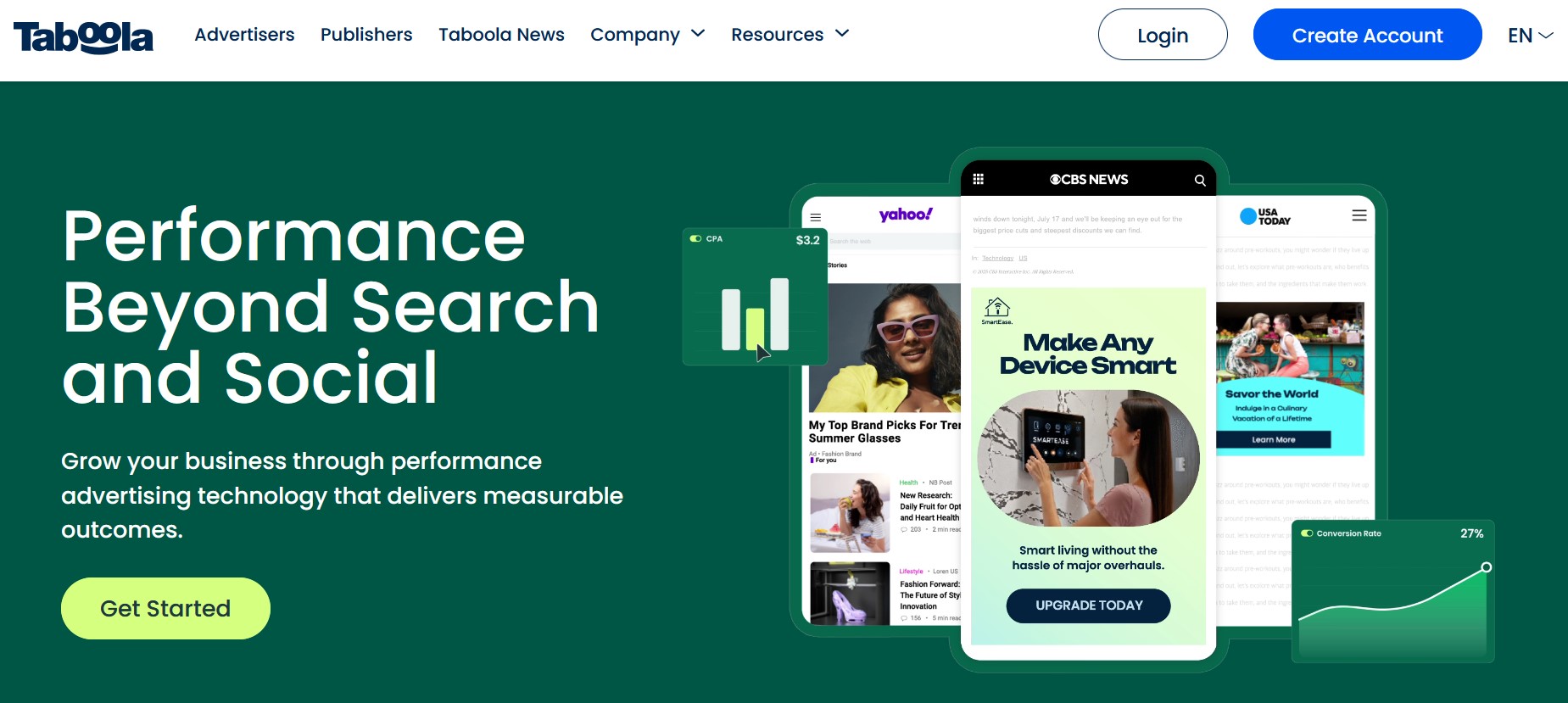
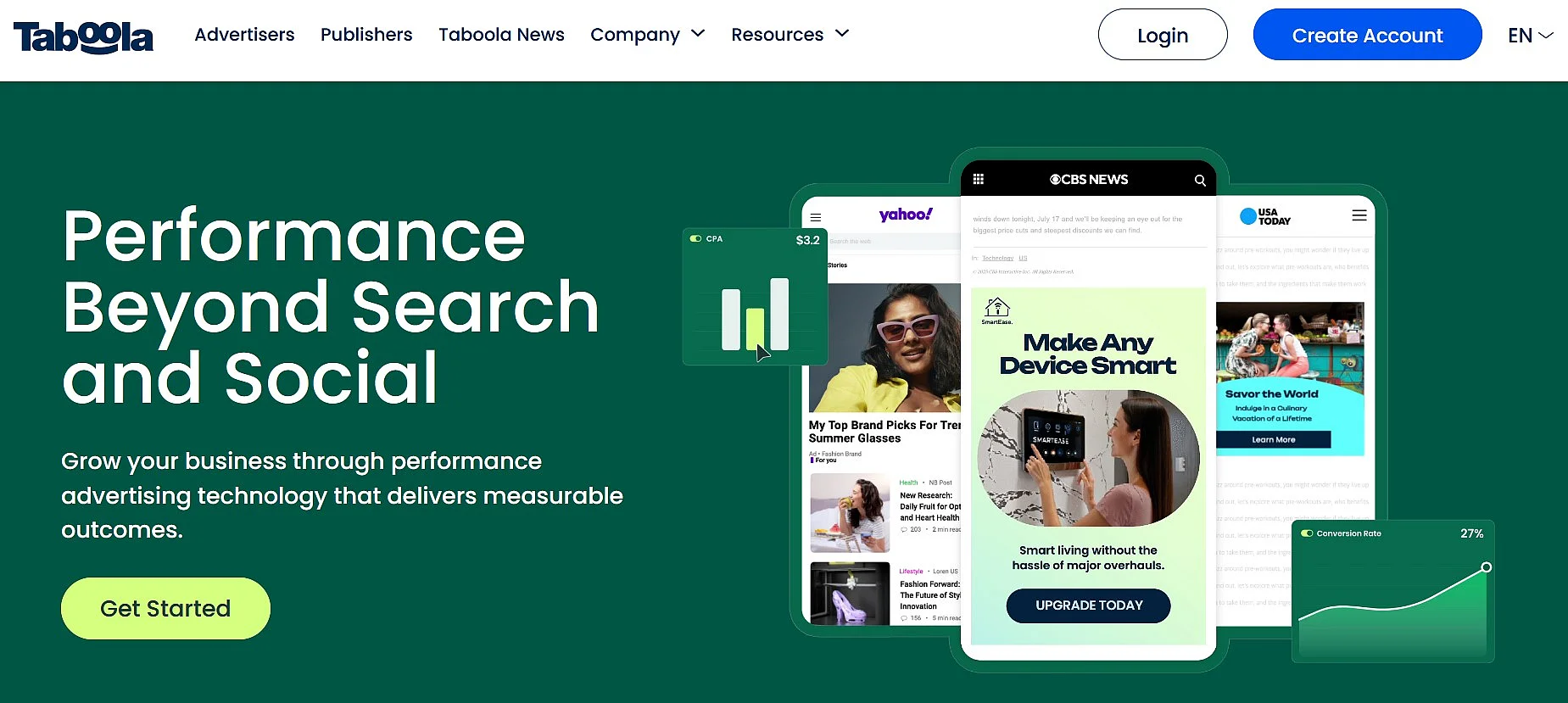
Taboola is, like Outbrain, a content distribution network. Companies can use it to place content as recommended articles on major publisher websites. Unlike Outbrain, Taboola also allows you to promote landing pages and entire websites, which offers additional flexibility in campaign management. Purely structural pages like homepages or directories, as well as fraudulent or misleading content, are not permitted.
Delivery is contextual within an editorial environment, not based on specific search queries. Taboola is therefore particularly suitable for reach-building and traffic campaigns, and less for direct sales. Success depends heavily on the quality of the content and headlines, which is why clear content quality guidelines apply. In practice, Taboola is often used in addition to or alongside Outbrain to cover as much publisher reach as possible.
| Advantages | Disadvantages |
|---|---|
| ✓ High reach across major publisher websites | ✗ No direct search intent |
| ✓ Native integration into editorial content | ✗ Performance heavily depends on content quality |
| ✓ Promotion of landing pages and websites possible |
Pinterest Ads
Pinterest Ads is the advertising platform of the visual network Pinterest. It combines search-like, discovery, and inspiration-driven mechanisms. Users are not primarily looking for specific brands, but for ideas, products, and solutions for upcoming projects – for example in home, fashion, travel, or food. This creates commercial intent that often begins earlier in the decision-making process than with classic search ads.
Ads are served as Promoted Pins directly in search results, in the home feed, or on thematically relevant boards, and visually blend into organic content. Delivery is based on search queries, interests, demographics, and contextual signals.
Compared to Google Ads, Pinterest Ads relies more heavily on on-platform data, search signals, and content context than on third-party cookies. This makes the platform particularly relevant as tracking becomes more limited. Pinterest is especially suitable for reach-building, traffic, and mid-funnel campaigns, but can also support conversions for suitable products.
| Advantages | Disadvantages |
|---|---|
| ✓ Combination of search and visual inspiration | ✗ Less suitable for short-term sales goals |
| ✓ High commercial intent in early funnel stages | ✗ Limited relevance outside visual topics |
| ✓ Lower dependence on third-party cookies | |
| ✓ Good performance for lifestyle, e-commerce, and DIY topics |
Additional Google Ads alternatives
Alongside the platforms already covered, there are additional advertising systems that can complement your marketing mix depending on your goals and business model. However, they are not always direct Google Ads alternatives, as they tend to be more specialised or focus on different use cases.
- Reddit Ads: Advertising within topic-focused Reddit communities with a strong contextual approach. Well suited for niche audiences and products that require explanation.
- Apple Ads (formerly Apple Search Ads): Search ads within the App Store, often delivering high conversion rates. Effective for app marketing, but limited to the Apple ecosystem.
- Amazon DSP: A programmatic platform for display, video, and CTV campaigns on and off Amazon. It offers advanced targeting based on shopping and usage data, but typically requires higher budgets and more complex setup.
- LinkedIn Ads (including Conversation Ads): Particularly relevant for B2B marketing, with precise targeting by job title, industry, and company. Due to higher click and lead costs, it is usually used as a specialised channel.
- Plista: A content discovery and native advertising network similar to Outbrain and Taboola. Primarily relevant in the DACH region and suitable as a regional extension.
Google Ads alternatives at a glance
| Platform | Ad formats | Main use | Reach |
|---|---|---|---|
| Microsoft Advertising | SEA | Reach, lead generation, conversions | + / ++ |
| Amazon Ads | Search and display ads | Conversions | +++ |
| TikTok Ads | Video and performance ads | Reach, performance | +++ |
| Meta Ads | Social and display ads | Reach, brand awareness, leads | +++ |
| Outbrain | Native content distribution | Reach, content marketing | +++ |
| Taboola | Native content distribution | Reach, traffic | +++ |
| Pinterest Ads | Visual discovery and search ads | Reach, brand awareness, traffic | ++ / +++ |
Legend: + low, ++ medium, +++ high