

Crisis management plan: structure and content

Whether natural catastrophe, theft or a cyberattack – no company is safe from a crisis. They often occur unexpectedly, mess up day-to-day operations, and in the worst-case scenario threaten jobs and the existence of a company. To maintain a cool head during these times and make the right decisions, executives should draft a crisis management plan. This specifies scenarios that could become a threat for staff and the business as a whole. The plan also includes individual action items for successful crisis management. We’ll show you how to create an effective crisis management plan.
Why do you need a crisis management plan?
Every founder knows how important a good business plan can be that details corporate ideas and their implementations. A crisis management plan, on the other hand, is often given less attention. That’s in part because it deals with some of the worst-case and often improbable scenarios. People in charge like to avoid these topics and some threats simply go underrated. But budding business owners should take responsibility for their staff and face up to likely risks. That’s where a crisis management plan comes in handy.
A crisis management plan should be drafted ahead of an emergency. In this way, you can quickly consult the plan and assign personnel to take action that defuses the situation. A crisis management plan helps businesses to react swiftly. How well a plan prepares you for difficult times will depend on how much time you spend creating it. Realistic simulations of a company undergoing emergencies can be helpful. We’ll show you how to structure a business crisis management plan.
Crisis marketing - tips for gaining new customers, sending out marketing messages, uncovering new distribution channels and more in our Digital Guide article.
Part I: What’s the purpose of the crisis management plan?
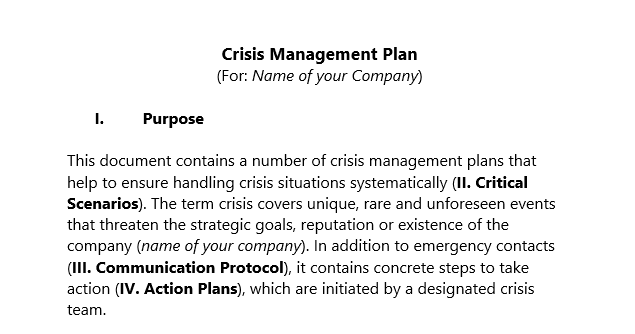
A crisis management plan must be made available in a written format. You should retain physical and digital copies that are easily accessible. The purpose of the document should be stated in its opening paragraph. This can take the form of a short statement and informs the reader about the function of the document and when it should be used. Decide on responsible members of staff who form part of a crisis team. Ensure that no single person is in charge, but your team consists of members with different skills and shared responsibilities. The image below shows an example of a purpose paragraph:
Create your first crisis management plan using the latest version of Microsoft 365. The integrated OneDrive storage lets you store and access data securely – anytime, anywhere.
Part II: What types of emergencies are there?
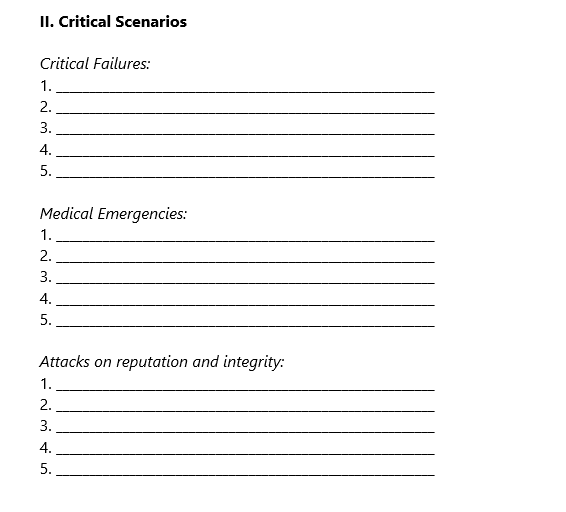
Businesses can become victim to a plethora of different types of emergencies. Each and every challenge is unique and demands context-dependent action. The next part of a crisis management plan should define crisis situations that may pose a threat to your company. These include bad weather damages to office buildings, medical emergencies, and threats to your reputation. Here are some examples:
Critical failures – include emergencies caused by forces of nature or people. Examples include catastrophes such as earthquakes or flooding, fires, theft, fraud, cyber or terrorism attacks. Contravention which could lead to suspension, closure, legal prosecution or high fines should also be included.
Medical emergencies – can become critical if a company (or its locations) endanger the health of others. This could be the case where, for example, event participants get food poisoning from the catering provided on-site. Other medical emergencies include the spread of illnesses, biological threats, and health or life-threatening situations.
Attacks on reputation and integrity – can quickly turn into an existential threat for most businesses if they are not immediately defused. This includes any situation that could harm the reputation of a company or lead to consumer boycott. One example of this are the spread of media rumors and negative press. Other examples include malicious defamation and reputational damage or negative media reaction to class action lawsuits and legal cases. Malpractice from managers also threatens the image and integrity of a company.
In the second part of your crisis management plan list the emergency scenarios which could pose a possible threat to your company:
Part III: The communications protocol during crisis
During an emergency it’s important to react as swiftly as possible to minimize long-term damage and negative consequences. Create a list of the most important people to contact and their contact details. The communications chain should list the person to contact first at the top:
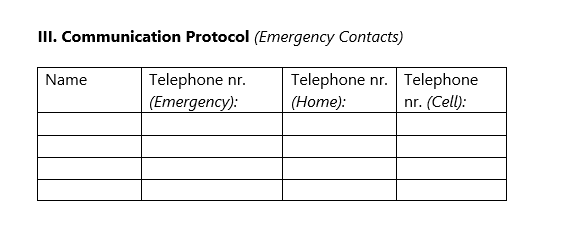
To make things even easier for your crisis team during an emergency, list the role and function of each contact person alongside their job title. In this way, you can reach out to the right person during a specific emergency. For example, during a cyber-attack you can immediately contact a seasoned IT specialist. Company staff that form part of your internal and external communications department should have their own crisis communication plan at the ready. This can be created separately or form part of a business crisis management plan. The guidelines of crisis communication dictate which information should be shared and when. It also includes information on final decision makers.
A crisis communication plan is a dynamic document. This means that it undergoes constant revision and updating to ensure it remains usable during an emergency.
Part IV: Create effective action plan
The core of the crisis communication plan consists of actionable procedures matched to the critical scenarios defined in part two. In this part, list step-by-step action items that can defuse the situation. During an emergency, this will take away some of the pressure of having to make quick decisions and you can focus on the implementation instead. Sometimes it’s useful to consult experts to estimate the risk to the business. This is particularly useful where a company faces problems that aren’t yet classified as critical.
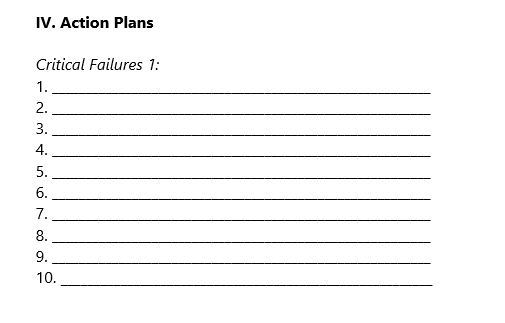
When creating a crisis management plan, consider which reactions are realistic and easily realizable. Solutions should never cross legal or ethical boundaries. Cost savings should not be considered if they endanger production quality or security. By using simulations, you can decide whether actions are likely effective or if changes are necessary. This is particularly important for evacuations or other security measures which depend on the successful cooperation of all members of staff.
The more extensive and elaborate a crisis management plan is, the better a company will be prepared in case of an emergency. So, take your time to consider and work out different strategies. Only then are you able to react quickly and well-considered during a crisis to avert damage to your business.
Click here for important legal disclaimers.