

Do you have the right to work from home?

In light of the rising digitalization of many industries, the home office is a topic of growing importance. For many employees, a home office provides greater flexibility and a better work-life balance. Because staff no longer have to travel to their place of work, they have more time for family, hobbies, and other activities without needing to reduce their hours or lose pay. But not every employee enjoys the luxury of working from home. Who’s entitled to work from home?
Working from home rights - Do you have a right to flexible working?
Whilst some countries such as the Netherlands have already established laws governing the working from home, the United States labor laws do not currently include a right to work from home. In other words, it is entirely at the discretion of the employer to permit flexible working or home working. A home office law as such does not exist. However, under the Family Medical Leave Act (FMLA), some employees with special medical conditions or those closely caring for others with medical conditions may be able to apply to work from home.
Employees who do not fall under the FMLA special criteria are generally not entitled to work from a home office. The decision whether staff can work flexibly lies with the employer. If no provisions for working from home exist in a business, employees can raise a relevant inquiry. However, company owners are not legally required to comply and can reject applications for home working.
Working from home during the coronavirus pandemic: to slow the spread of COVID-19, many people are now working from home. However, the crisis doesn’t change existing labor laws. As such, employees do not automatically gain a right to work from home. To keep their businesses going and comply with their fiduciary duty, many employers have spontaneously approved working from home. The US Department of Labor provides additional information on workplace safety during the coronavirus pandemic.
Flexible working rights: employment contract clauses
According to the US Fair Labor Standards Act, employers can implement remote and flexible working for their employees as long as they maintain an accurate record of the hours worked. Where an employee is allowed to work from home, the relevant provisions can be included in their employment contract. Additional conditions and frameworks for flexible working can also be agreed upon, for example, how often an employee gets to work from home, how they may be contacted, what equipment is provided, or how overtime is calculated. If staff did not previously have the right to work from their home office, the regulations can be added as a supplement to their existing employment contract.
Right to work from home through labor agreements
The right to work from home doesn’t necessarily need to be included in an employment contract. Labor agreements could also regulate flexible working arrangements. Large corporations with labor agreements in place can define home office rights within these regulations. Home working provisions may also be defined internally between management and a staff association or a work council where one exists. However, the right to work from home cannot be forced and always remains at the discretion of the employer.
Free whitepaper
Could the employer mandate working from home?
Generally, an employer may suggest home working to staff. However, that’s not to say that a company could then simply neglect to provide a place of work for its employees – unless this is an explicit condition of the original employment contract or an agreed amendment. Employees can also decline to work from home and continue to visit the office to do their work. Just as there is no law regulating the entitlement to a home office, there’s no law which mandates flexible working for employees.
Conditions for working from home
When offering flexible working, it’s important that both employees and employers legally define the conditions for the home office. Despite existing clauses in one’s employment contract, an employer can mandate a member of staff to attend the office. This is relevant when, for example, a staff member’s presence is urgently required at a meeting. Where a business wishes to introduce working from home, the following questions should be addressed:
- Is the job generally executable from home? Whilst most office workers will be able to perform their jobs working from home, certain professional groups must attend their place of work, for example, doctors, sales personnel, or mechanics.
- How often is an employee allowed to work from home?
- How may the employee be reached when working flexibly?
- Are there any core hours of business during which employees must be reachable?
- How is overtime treated? Is overtime even possible?
- How are break times defined?
- Is there a means to record/log working hours?
- What materials does the employer provide?
- How are data security and safety at work guaranteed?
Home office law: what does the future hold?
If or when a dedicated home office law will be passed in the US remains unclear. Employees with families or those who are caretakers for a disabled or ill family member should generally be encouraged to work from home. Even if a dedicated home office bill was to pass in the US, it would probably never apply to all employees unconditionally. Many workers have to attend their place of business in order to fulfill their jobs. In addition, teamwork and other internal reasons could hamper any right to working from home. A home office legal framework that would apply to all employers equally is, therefore, unlikely to pass any time soon. However, many employers are now willing to allow flexible working to give employees a better life-work balance.
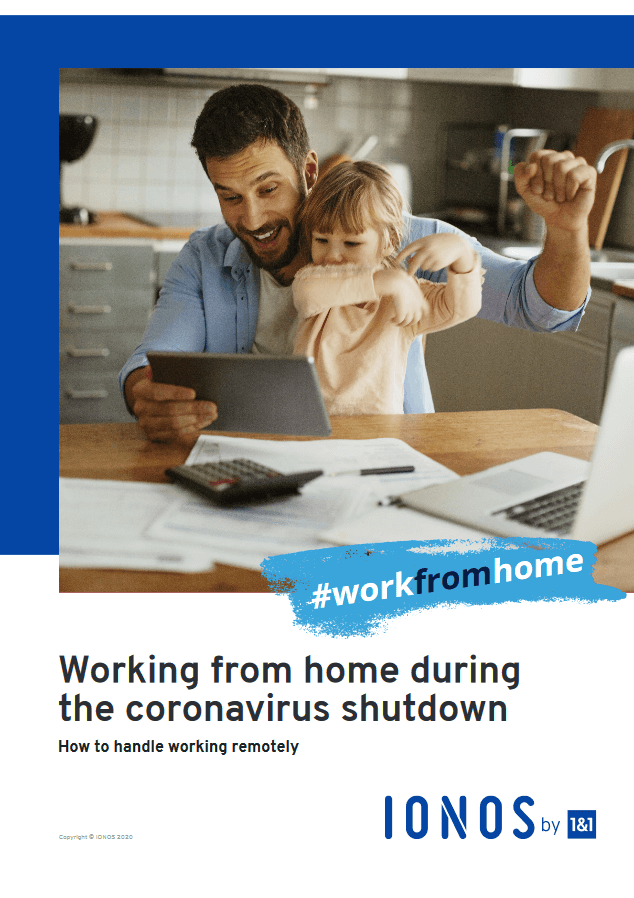
In our whitepaper on the subject of working from home you will find all the answers to your questions about working from home in one compact document. Simply download the PDF file free of charge.
Generally, an employer may suggest home working to staff. However, that’s not to say that a company could then simply neglect to provide a place of work for its employees – unless this is an explicit condition of the original employment contract or an agreed amendment. Employees can also decline to work from home and continue to visit the office to do their work. Just as there is no law regulating the entitlement to a home office, there’s no law which mandates flexible working for employees.
Click here for important legal disclaimers.