

How a virtual medical assistant can help transform your practice

A virtual medical assistant is a digital or AI-powered system that handles incoming calls to your medical practice. It means your patients can reach the practice at any time while also reducing the burden on your staff.
What is a virtual medical assistant?
A virtual medical assistant is an automated system that answers patient calls and ensures they’re handled appropriately. Patients can reach someone at any time, even outside regular office hours. These systems increasingly use artificial intelligence for natural conversations and to accurately interpret each call. Because the assistant understands spoken language, it can schedule appointments via your practice management software, process prescription refills and answer common questions about your practice. This improves accessibility and cuts down on wait times for patients. It also identifies urgent concerns quickly and directs them to the right person. For your practice, this means managing calls becomes more efficient and reliable.
- Answer every call, 24/7
- Set up in seconds
- Cut costs and win business
How can a medical practice use a virtual medical assistant?
A virtual medical assistant primarily lightens the load on your practice staff and keeps your phone lines open 24/7. By automating routine tasks, patients can call anytime without having to wait for office hours. Common uses include:
- Round-the-clock availability: The assistant answers calls day and night, including weekends and holidays. No call goes unanswered, and patients can explain what they need or get basic information whenever convenient for them.
- Handling routine inquiries: Common questions about prescriptions, office hours and general information are answered there and then. This cuts down on daily call volume and frees up staff to focus on clinical work.
- Providing practical information: Questions about referrals, medical certificates, office hours and practice policies can be answered immediately. The assistant’s answers are also consistent, meaning patients won’t receive conflicting information.
- Triaging and prioritizing calls: The assistant organizes incoming calls, flags urgent concerns and passes them on appropriately. This means time-sensitive cases are addressed faster.
- Lightening the daily workload: By automating frequent requests, your staff has more time to focus on patient care. This boosts efficiency while also improving patient experience.
What types of virtual medical assistants are available?
There are two main types: AI-based systems that learn over time and rule-based assistants that follow fixed protocols. Each serves different purposes and has significantly different capabilities.
AI-based systems
AI-based virtual medical assistants use natural language processing and machine learning. They understand more complex phrasing and respond flexibly to individual patient needs. They also get better over time as they process more training data and handle more calls. Thanks to NLP, these systems can have two-way conversations that feel like talking to a real person. They can also fully automate tasks like scheduling appointments and triaging incoming calls. This makes them especially well-suited for practices with high call volumes and a wide range of patient inquiries.
Rule-based digital assistants
Rule-based digital assistants follow predetermined scripts. They’re ideal for standardized, predictable tasks like playing recorded information or handling prescription refills. Since they lack advanced speech recognition, conversations follow preset menus rather than free-flowing dialogue. These systems are often more affordable and simpler from a technical standpoint. Although they can’t adapt if a caller asks an unexpected or unusually worded question, for practices with routine phone interactions, they work consistently well.
Comparing the two types of virtual medical assistants
| Feature | AI-based assistant | Rule-based assistant | |
|---|---|---|---|
| Language comprehension | +++ | + | |
| Flexibility | +++ | + | |
| Ability to learn | ✓ | ✗ | |
| Automation depth | +++ | + | |
| Setup complexity | ++ | + | |
| Costs | ++ | + |
Key: + = low, ++ = medium, and +++ = high
What features should a virtual medical assistant offer?
A virtual medical assistant does far more than just answer calls. It can handle complex tasks, interacts naturally with patients and automates much of your practice’s everyday tasks. This creates transparency, lightens your team’s workload and improves service quality. Its key functions include:
- Providing information: The assistant answers common questions about office hours, emergency services and contact details accurately. This means your staff won’t have to answer these same questions over and over.
- Managing appointments: AI-powered systems can (re)schedule appointments directly within your EHR/EMR system. Using automated bookings reduces administrative work and eases the burden on staff.
- Handling prescription refills: Patients can call in refills. The assistant organizes the information and forwards it your team.
- Identifying urgent concerns: The assistant listens out for key words and phrases to recognize urgent cases and flags them as priority. This ensures emergencies never slip through the cracks.
How much does a virtual medical assistant cost?
The cost of a virtual medical assistant depends on the provider, features and level of automation you want. Most practices pay a monthly base fee covering core functions like call handling, standard conversations and basic support. Many providers also charge usage-based fees tied to your actual call volume. More advanced or custom-trained AI systems may cost extra for features like appointment management or deeper system integrations.
How to set up a virtual medical assistant (using IONOS as an example)
Setting up a virtual medical assistant is straightforward, meaning it can be up and running in minutes. Here’s how it works with IONOS:
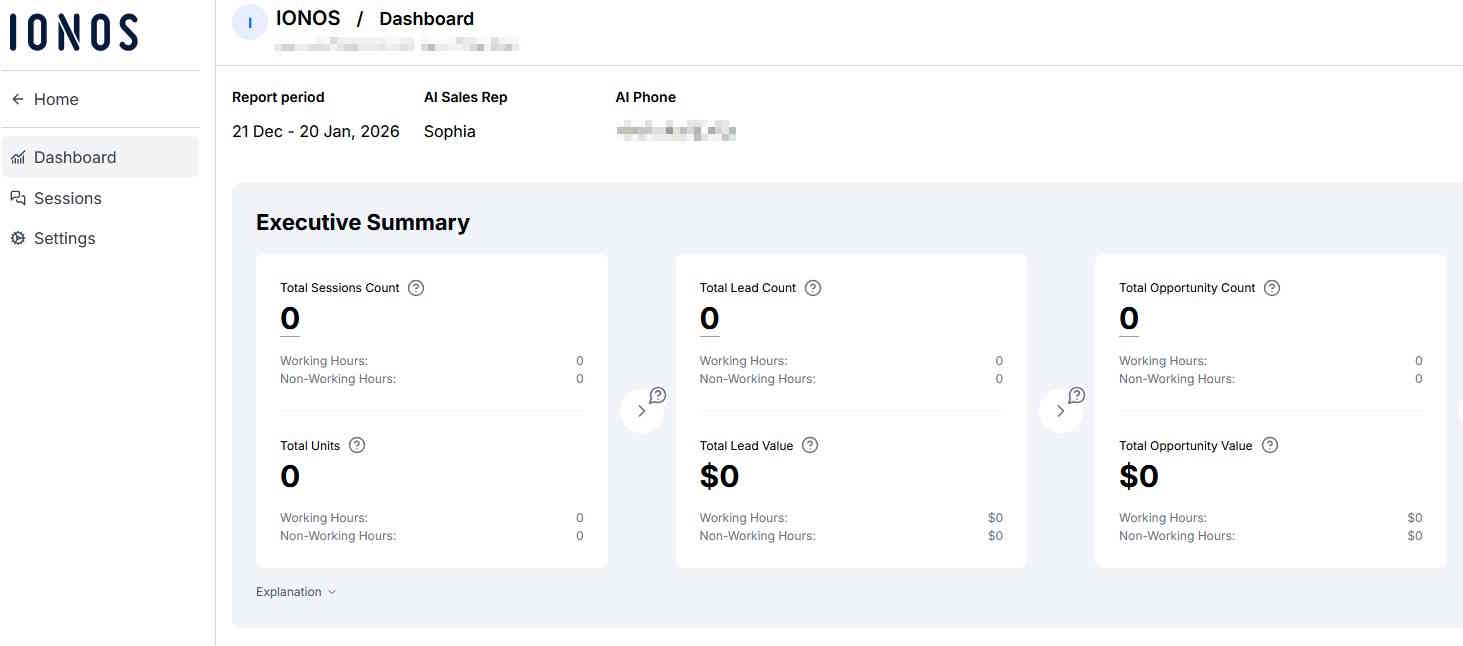
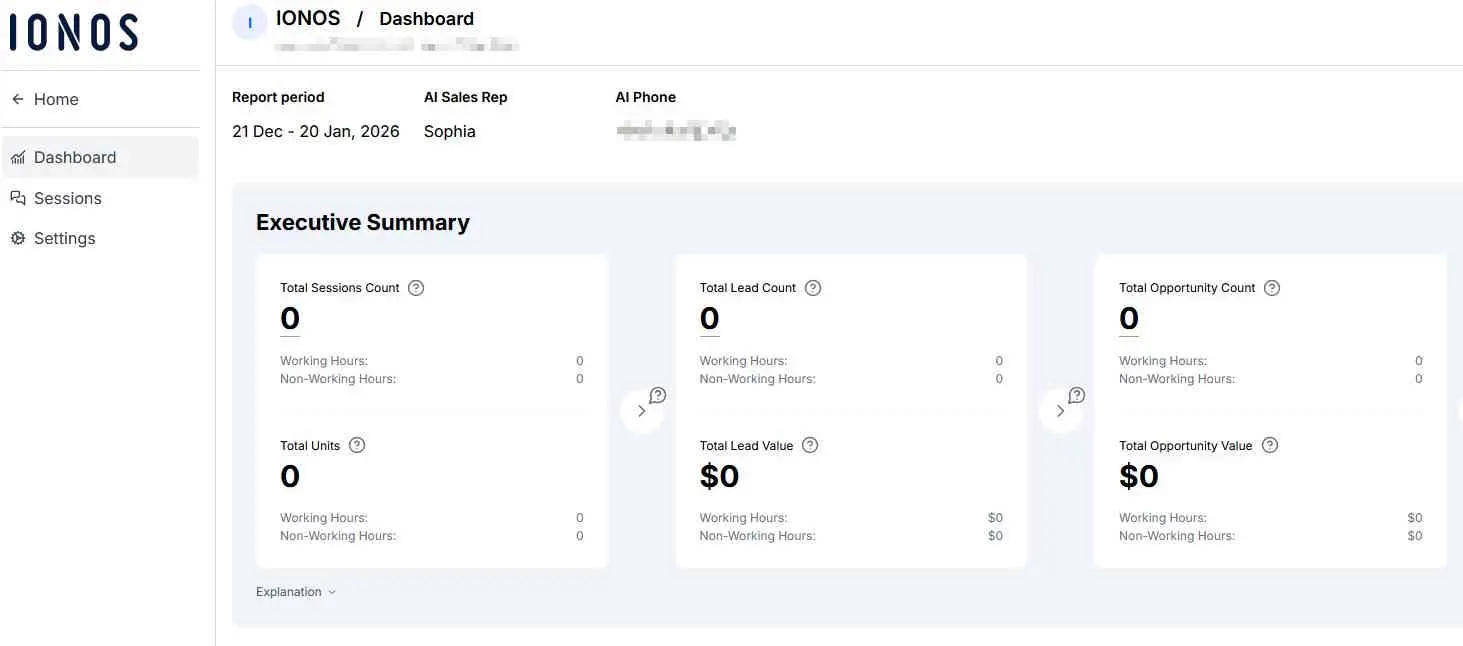
- Select the package you want in the dashboard.
- Connect your website. IONOS automatically pulls the information the assistant needs to answer callers’ questions effectively.
- Customize the IONOS phone assistant. Decide which questions it should ask, how it should respond and whether calls should be forwarded to specific staff members. Calls comes through a dedicated assistant phone number.
- Stay organized with call summaries delivered by email. An intuitive interface lets you manage forwarding rules, call logs and settings. No technical expertise is required.

How do virtual medical assistants handle sensitive data?
Protecting patient information is of the utmost importance for any medical practice, especially when using a virtual medical assistant. Since these systems process health-related data, they must comply with the Health Insurance Portability and Accountability Act (or HIPAA for short) and any other applicable US privacy regulations. Reputable providers ensure that patient data is encrypted during transmission and storage, with access restricted to authorized personnel only.
Some providers may store or process data on servers outside the US. When that’s the case, additional safeguards may apply, such as compliance with GDPR standards for European-based providers. What matters for US practices is that the platform meets HIPAA requirements and clearly documents where data is stored and how it’s protected.
You should also review the provider’s business associate agreement (BAA). This spells how patient data is handled, protected and deleted. This agreement also covers responsibilities, security measures and data retention policies to keep your practice compliant.
Patients should be informed that your practice uses a virtual medical assistant, typically through the initial phone greeting. They should also understand how their information is processed and what rights they have under HIPAA. When set up correctly, a virtual medical assistant can fully comply with US privacy requirements while also streamlining daily operations.
Are virtual medical assistants the future?
Virtual medical assistants, especially AI-powered systems, will likely become standard in medical practices over the next few years. They make it easier for patients to reach your practice, take the pressure off your team and cut down on wait times. They also help provide patients with more reliable service. Practices that adopt these tools early can streamline their workflows and boost satisfaction among both patients and staff. Working with a reputable provider ensures patient data stays protected and you stay compliant with regulations. And because virtual medical assistants can handle many routine calls, they can also help make up for staffing shortages. For most practices, this technology offers real potential to make handling calls easier. Taking a closer look will reveal exactly how it might work for you.
- Answer every call, 24/7
- Set up in seconds
- Cut costs and win business