

Crowdsourcing: How companies tap into their target audience’s engagement

Is your product as good as you think it is? How can you improve your current offering? In the past, companies had to rely on expensive market research or their gut instinct to answer these questions, but now they can take advantage of the many facets of crowdsourcing. In this guide, we will explain when it makes sense to use crowdsourcing, discuss what the risks are, and provide some tips on how to implement it successfully.
- Write perfect emails with optional AI features
- Add credibility to your brand
- Includes domain, spam filter and email forwarding
What is crowdsourcing?
“Crowdsourcing” is a portmanteau of the words “crowd” and “sourcing”. The term was first used in 2006 by the American journalist Jeff Howe in his article titled “The Rise of Crowdsourcing”. As a result, the term and then the concept began to spread.
Crowdsourcing is an alternative to traditional outsourcing. Instead of hiring a professional service provider, companies are turning to broad swaths of volunteers. Crowdsourcing’s added value lies in the collective intelligence and diverse perspectives it draws from.
One strong argument for companies to try out digital collective outsourcing is the amount of money saved, since participants are not paid for their time. So, why do they participate in such large numbers despite this fact? They are driven by a desire to learn and share knowledge as well as by the joy of supporting a well-known brand or contributing to finding a solution to a company’s challenge. Their search for a sense of community or status gain also plays a role here. These incentives also come into play with user-generated content.
One of the key features of crowdsourcing is that it uses digital technologies and often social networks to enable a large number of people to help out with the company’s challenge.
There are a variety of tasks that are suitable to crowdsourcing which can relate to current products or products under development:
- Strategic problem solving
- Product testing
- Product feedback
- Ideas and inspiration for product development
- Operational activities
Specific types of crowdsourcing
Crowdsourcing is a general term used for all types of collective participation. Examples of specific types include crowdtesting, crowdfunding, and mobile crowdsourcing.
Crowdtesting
In crowdtesting, companies outsource the task of looking for errors in digital applications to users, who usually receive nothing more than early access to the new product in return.
Crowdfunding
In crowdfunding, companies finance their growth or the development of new product ideas with the help of a large number of supporters who are reached via digital crowdfunding platforms and donate small sums of money. In some cases, these supporters also receive some sort of symbolic compensation in return.
Mobile crowdsourcing
Mobile crowdsourcing has gained popularity over the past decade as both the power and prevalence of smartphones have increased worldwide. The GPS function of mobile devices in particular has paved the way for new crowdsourcing models.
Crowdsourcing is often used in relief operations for disasters so that helpers can get a thorough picture of the situation from the wealth of data available. Companies are also increasingly using crowdsourcing for environmental and health protection. Smartphone users can share information on noise, air quality, radiation levels and traffic via an app, thus helping organizations and companies to create a database that is as accurate as possible.
Advantages and disadvantages of crowdsourcing for companies
Crowdsourcing offers companies many advantages and just a few disadvantages. It is thus worth considering in which areas of the company interested parties and customers can get involved.
Advantages
Reduced costs
Crowdsourcing participants work at just a fraction of the cost of internal employees or service providers.
A typical use case for crowdsourcing is product development. In the past, companies have had to spend a lot of money on market research or on hiring professionals if they wanted to find out which products were well received by their customers. Using crowdsourcing, they can now consult their target audience directly and obtain similarly reliable results – and at just a fraction of the usual cost. However, to ensure that the opinions of crowdsourcing participants reflect subsequent purchasing behaviors as accurately as possible, it is necessary to survey a sufficiently large number of people.
Speed
It can take a long time to solve some business challenges. Project teams have to be formed, new processes created, and external consultants brought in. Through crowdsourcing, the task of problem solving can be cost-effectively outsourced and more expertise brought in. Unilever, for example, has come to this realization and now actively uses crowdsourcing in its innovation work.
Another example of how crowdsourcing speeds up processes can be seen in how mobile crowdsourcing is used during disasters. When users share their smartphone’s GPS data or videos, helpers can get a comprehensive picture of the situation much faster than if they had to send their own teams to the area to collect all the data themselves.
Quality
The quality of a product is largely determined by its customers. Crowdsourcing is thus an easy way to ensure better product quality with high reliability. Feedback and ideas can easily be collected from the target audience and implemented.
Innovation
Smaller companies in particular tend to benefit from using crowdsourcing for their innovation work, since they lack the human resources necessary to develop unique ideas without external support. Crowdsourcing helps to broaden their horizons: the more people participate, the more diverse perspectives are brought in on a problem or product and the more creative and diverse the solutions become.
Attention
Crowdsourcing is an ideal tool if you have a tight budget and want to draw attention to a new product or to your company at a low cost. Traditional media is happy to report on creative crowdsourcing projects, and more importantly, many participants themselves will share the project via their profiles on social networks, thus creating a viral effect. Companies can only hope to achieve this kind of reach through traditional online marketing.
Before launching a crowdsourcing campaign, assess your company’s reputation using a sentiment analysis. Are users talking about your brand a lot and in a positive way? Then, you have a good chance of developing viral reach through a crowdsourcing project.
Disadvantages
Insufficient effectiveness
When evaluating a product idea via crowdsourcing, companies should carefully examine beforehand whether the subject is appropriate for this kind of evaluation. A study from Paderborn University found that the quality of crowdsourcing cannot compete with that of expert assessments for complex subjects. This likely also applies to crowdsourcing in a number of business areas, not just in product development.
Negative PR
Crowdsourcing is controversial. Critics accuse companies, for example, of replacing paid jobs this way and thus lowering the market prices for professional service providers. One frequently criticized use case is using crowdsourcing projects for design and photography. Companies should thus proactively craft their online communication to counteract the accusation that they are cleverly exploiting what would otherwise be paid work for free.
Three examples of successful crowdsourcing
Crowdsourcing does not require a large budget and is thus just as feasible for startups as it is for large companies. Crowdsourcing projects can come in any size, from long-term projects with their own websites to simple surveys posted to Facebook or Instagram.
Example 1: Wikipedia
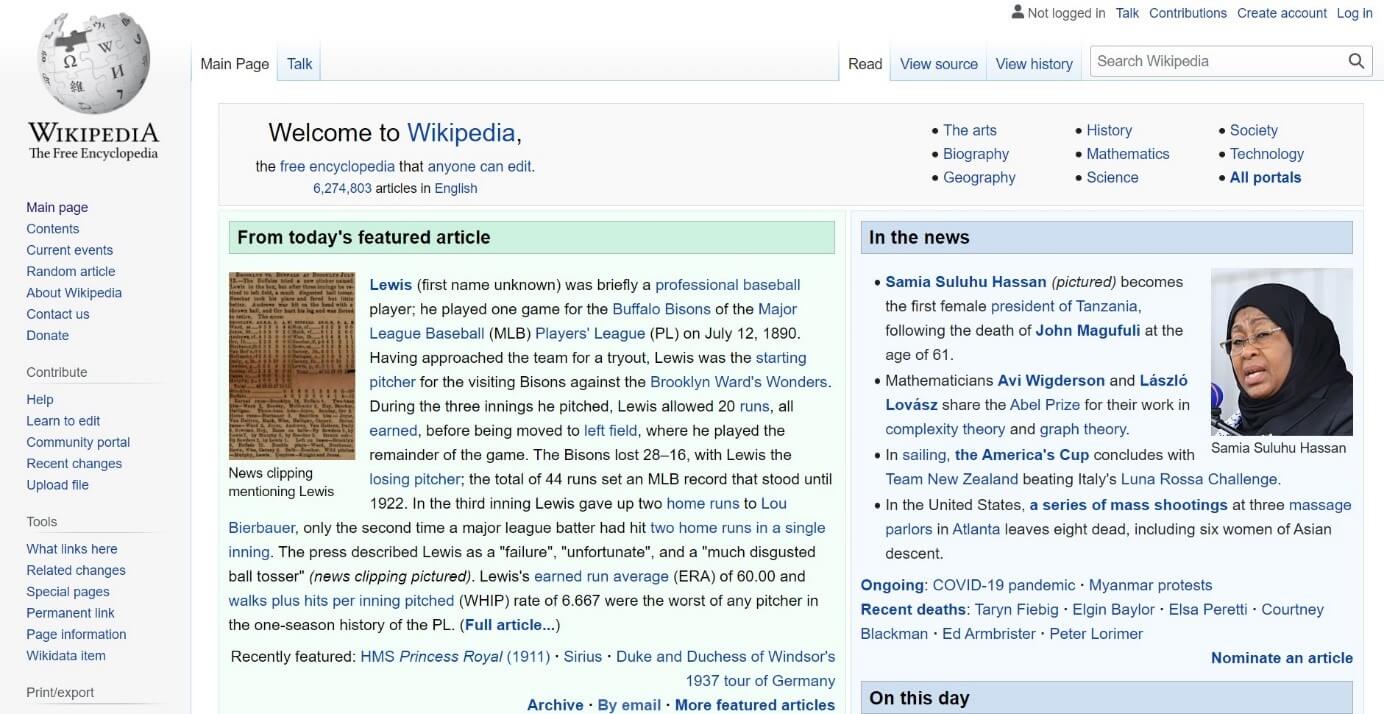
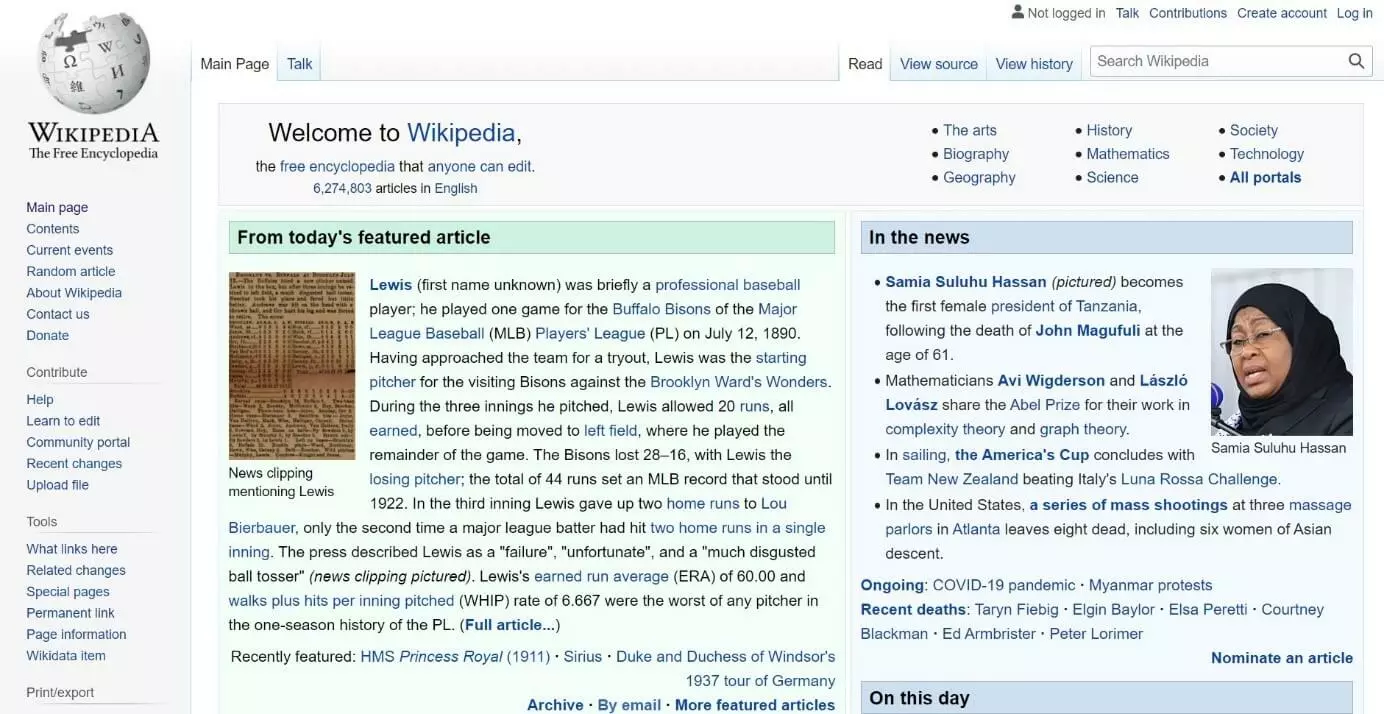
The best-known example of crowdsourcing is probably Wikipedia. Anyone can contribute to this online encyclopedia. Originally, the average user was supposed to submit articles to a professional editorial team for review on Nupedia, Wikipedia’s predecessor, but this bottleneck significantly slowed down the process. Wikipedia relies entirely on collective intelligence, the voluntary engagement of a large number of people and peer review and correction. This approach has resulted in high-quality contributions without any financial incentive. Through crowdsourcing, Wikipedia has become one of the most visited websites in the world.
Example 2: 99designs
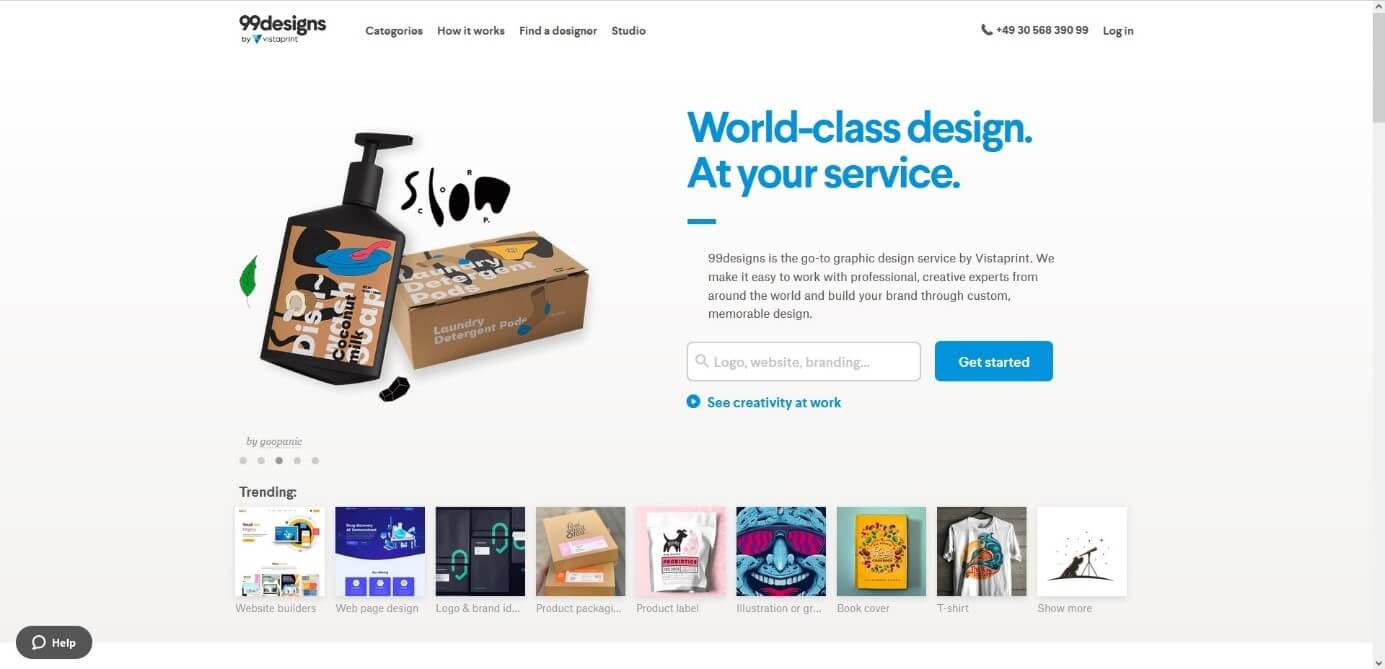
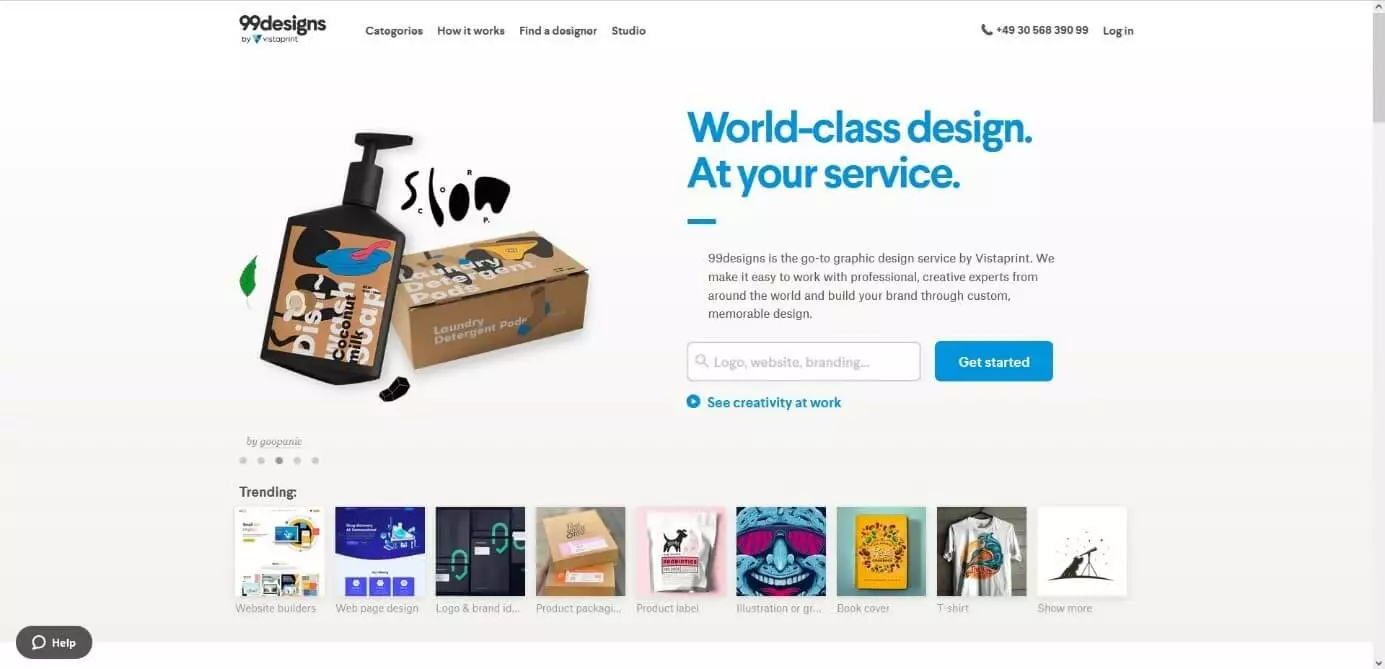
The design platform 99designs makes professional designs accessible to companies on a small budget via crowdsourcing. If you have a design job to offer, you can post it in a contest on the platform. Interested web and graphic designers can then submit their designs. However, only the design chosen by the company is paid for. In addition to saving you money, this also allows you to choose from a larger number of diverse designs.
Example 3: LEGO®
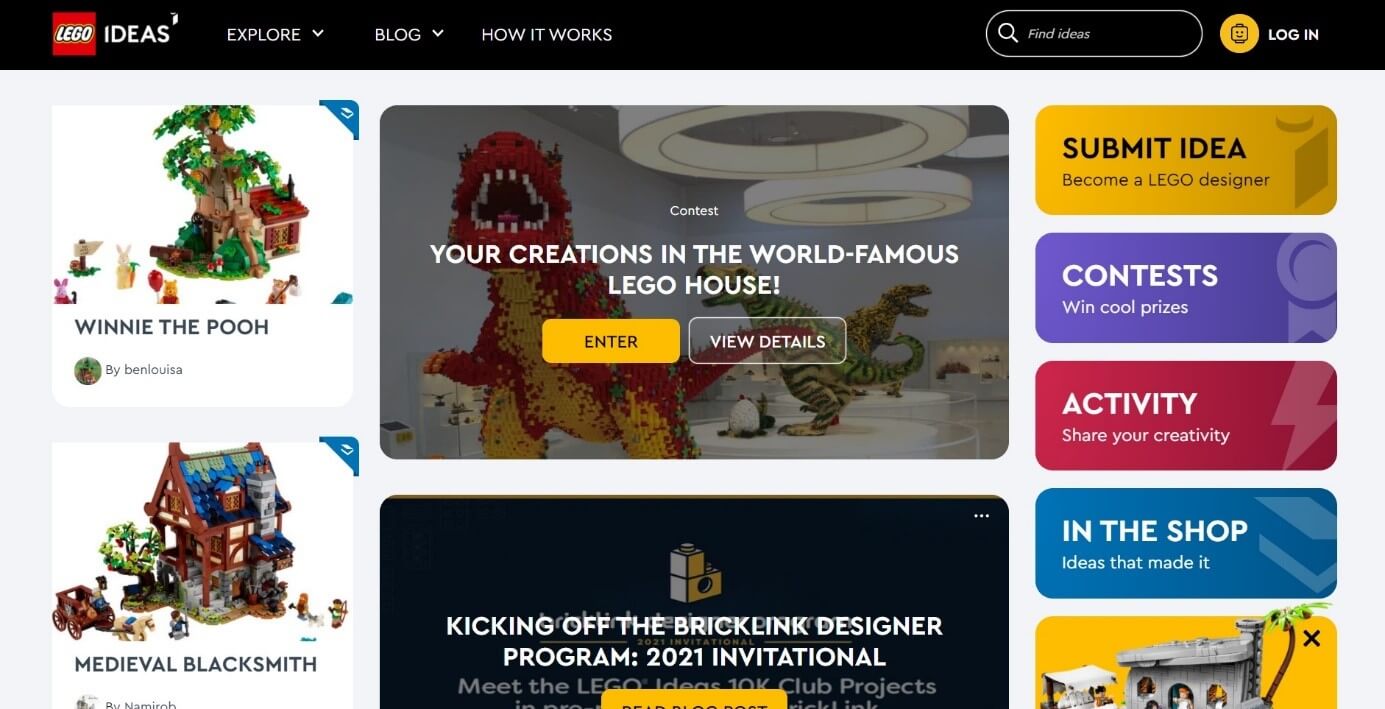
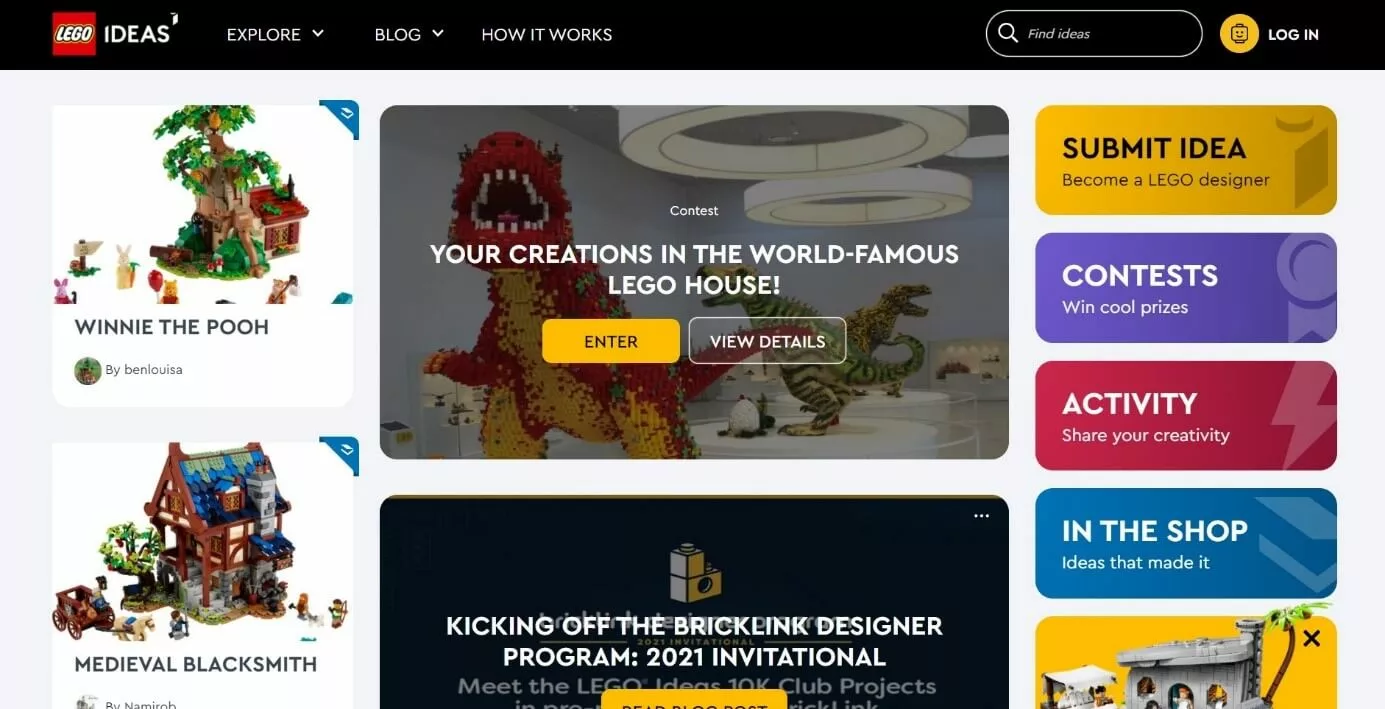
LEGO® has demonstrated how companies can use crowdsourcing in product development. On the Ideas website, users can submit suggestions for new LEGO® sets and vote on other users’ ideas. Submissions that receive more than 10,000 votes within a specific timeframe will be evaluated by a LEGO® jury. If the idea is chosen to be turned into a product, the user who originally submitted it will share in the sales proceeds. Successful products developed via crowdsourcing include the sets for Winnie the Pooh, Sesame Street, and the Central Perk café from the television series Friends.
You can obtain valuable information for product development by performing a log file analysis of your website. You can find out more about how to do this in our guide on log file analysis.
Crowdsourcing in practice: five tips for successful projects
If you want to use crowdsourcing in your company, you should heed a few basic rules to ensure your project’s success.
Tip 1: Define a clear framework for your project
Determine beforehand what the goals are you want to achieve through crowdsourcing and what type of crowdsourcing is best suited to your project. Make sure to communicate the task in a clear and transparent manner and be explicit when defining the limits of participation. Here is a negative example of what could happen in product development if you fail to do so: If you promise in advance to use the product idea that receives the most votes, you might encounter a situation where you have to choose something that was submitted as a joke and that does not match your company’s vision of what a winner should be.
Tip 2: Be sure that you have a strong legal position
Educate yourself about the legal requirements for crowdsourcing projects and draft the conditions for participation accordingly. This is particularly important when dealing with copyrights in creative competitions. If you fail to do so, you will face more than just legal trouble later on. You will also receive negative press from dissatisfied participants venting their displeasure online on social networks.
Tip 3: Choose the right community
Consider who you want to participate in your crowdsourcing project and where they can be found online. Tailor your approach to your target audience through text, images, and videos in order to get input from participants who are relevant to you.
Tip 4: Take time to communicate before, during, and after the project
Communication is key to ensuring that your project receives widespread attention and that many people participate in it. Communicate directly with your participants, respond promptly and actively engage in discussions with them. Inform relevant media sources about your project to increase your reach through media coverage.
Tip 5: Establish an internal idea management system
A successful crowdsourcing project can quickly provide more feedback and ideas than you might expect. To make sense of the data, create internal processes in advance: How do you want to manage the ideas? Who is responsible for performing analyses? Establishing clear responsibilities will help you get the most out of your project.
Do you want to start a company but don't know what to name it? Get inspiration from the free IONOS Business Name Generator and find ideas for your concept in just a few clicks.