
Online marketing basics: demand-side platform

At some point, anyone who advertises online is going to encounter the subject of search engine advertising and the various ad networks. These networks allow online advertisers to host their ads and banners on many different platforms. The challenge is finding the advertising inventory that is both cost efficient and allows you to reach your personal goals and target group. A demand-side platform attempts to automate and optimize this search.
What is a demand-side platform?
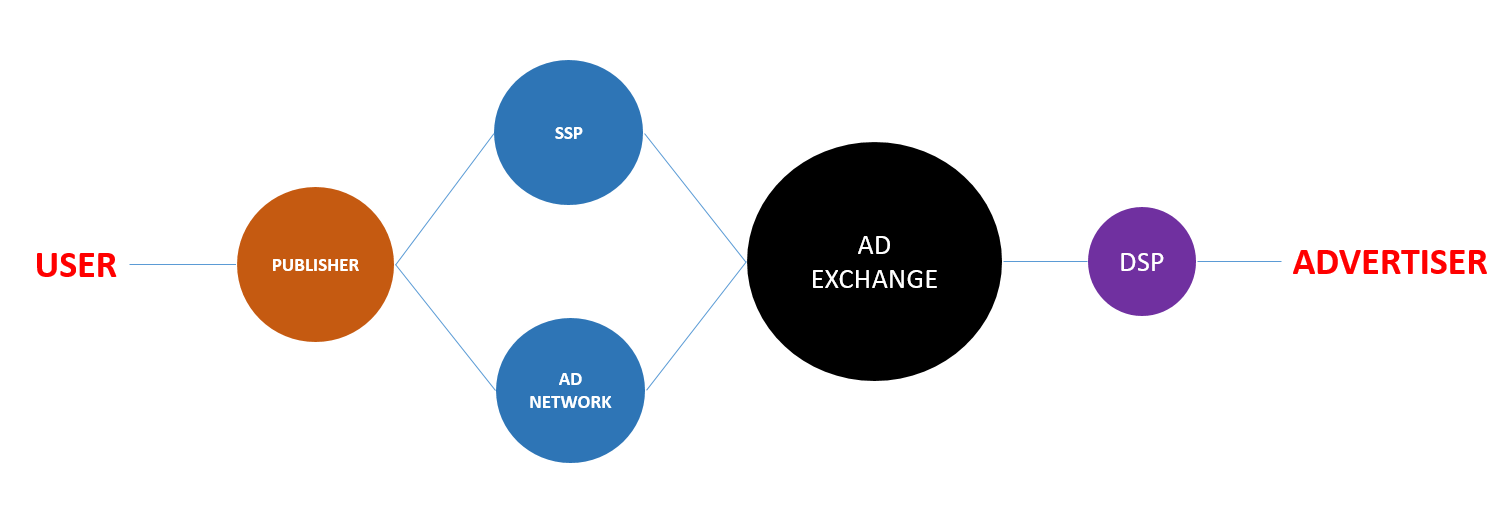
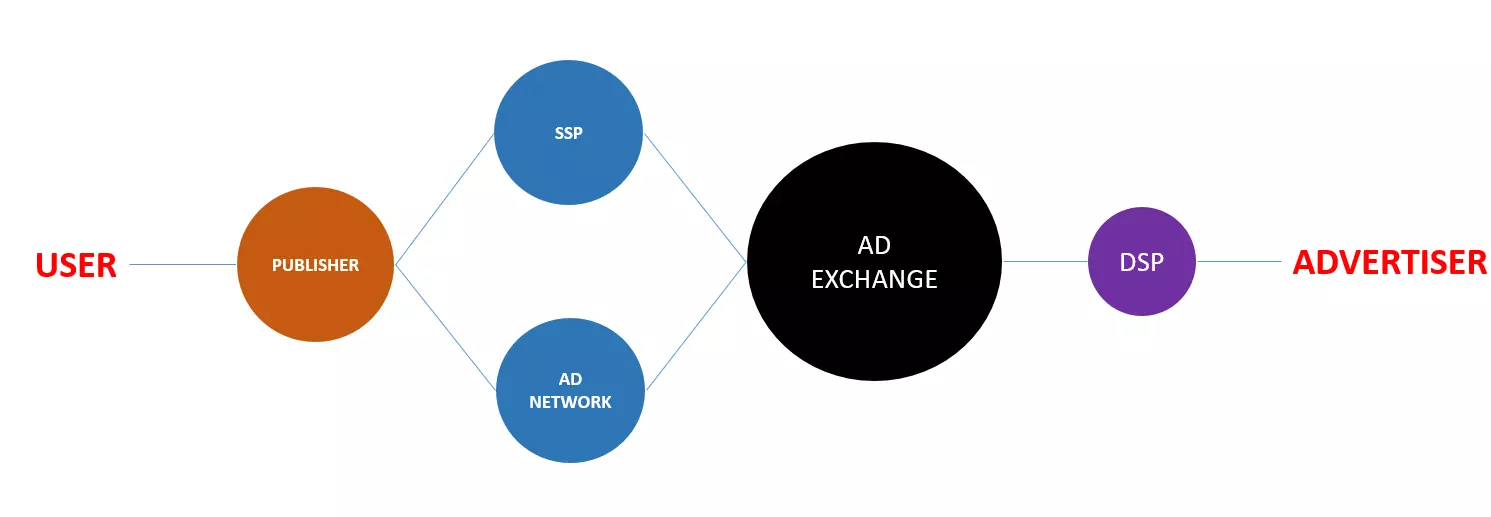
Many websites provide free space for advertising, which can be bought or rented by whoever offers the best price. This generally happens in an online marketplace for advertising inventory (i.e. Ad Exchange), which creates an interface between supply and demand. In this process, the demand-side platform (DSP) represents the demand. This is where advertisers who use ad space (i.e. agencies or businesses) go to run their ads.
The platform itself doesn’t offer ad space, however; instead, it just pools impressions of other networks for the advertisers. Advertisers then have the opportunity to automatically compare the offers of many different ad networks, marketplaces and side sell platforms. Once a suitable advertising inventory is found, the DSP initiates real-time bidding and the advertiser can purchase ad space from a provider (SSP). The entire process is carried out automatically within a few milliseconds.
The aims of a demand-side platform
The aim of a DSP is to automate and thus optimize the process of buying advertising inventory with the help of different algorithms. This increases the effectiveness of advertising campaigns, since this method finds the best placements for banners and ads. This means the winning bid doesn’t only obtain the optimum range for its ads, but also that these ads reach more potential customers through precise targeting and re-targeting.
Advertisers use DSPs for optimizing various data. An optimal configuration is calculated using
- data about demographics,
- search histories,
- search queries,
- and data gathered using cookies.
Demand-side platforms bundle all the rates of many different networks together on a single platform. This gives advertisers access to more impressions and the bundled ranges of different networks. Additionally, the database and the interface of different ad servers allows a precise configuration of the campaign, meaning you can spend your budget as efficiently as possible. This, along with real-time bidding and the ability to compare offers directly, means advertisers achieve the best possible results for an ad placement.
The process of buying advertising inventory
In the past, acquiring advertising inventory was a drawn-out process that involved choosing a network, determining the maximum bid, and specifying a target audience. This process, which once would have required several workers, is now automated by DSPs. The platform collects all the data about the available advertising inventory from various networks. The cost of inventory is calculated using RTB data and automatically paired with the advertiser’s pre-determined budget.
The process relies on the same bidding system that you may know from Google AdWords: Advertisers put forward a maximum bid, which indicates the highest price they are willing to pay for an ad. During the real time bidding process, the system automatically deploys the ad space that best suits the advertisers and their target audience.
How can I work with a DSP?
Demand-side platforms function in a similar way to service providers that serve different customers. Agencies, advertisers, and businesses can use DSPs to purchase different advertising inventory, i.e. displays, videos, mobile advertising, or search ads.
Two of the best-known platforms of this kind are:
Self-service DSP vs. full service DSP
Advertisers have two options when it comes to DSPs: they can either go for a full service DSP or a self-service DSP.
Full service DSP
With a full service model, the DSP assumes all the tasks associated with acquiring inventory, including purchasing, monitoring, optimization and analysis. The greatest advantage for advertisers is that they don’t need a media team in order to be represented on the real time bidding marketplace. Generally, full service providers offer their customers different interfaces and graphical user interfaces so as to enable in-house use of the platform.
Self-service DSP
Opting for a self-service DSP, on the other hand, involves finalizing a license agreement between the advertiser and the DSP provider. This contract states that the company assumes responsibility for the management and distribution of their ads. This method is generally associated with more effort and costs, as it requires an experienced team of media experts to manage the account. Experience and know-how plays a pivotal role here, as without a strong strategy, real time advertising can quickly become expensive and thus inefficient, even with the demand-side platform.