

Co-branding – brand cooperation with added value

When two or more well-known brands enter a cooperation to establish a new joint product, this is called co-branding. The cooperating companies hope that the collaboration will strengthen their reach, increase profits, and improve their respective image. In this article we’ll showcase some co-branding examples and explain what you should look out for in a co-branding campaign.
- Simple registration
- Premium TLDs at great prices
- 24/7 personal consultant included
- Free privacy protection for eligible domains
What is co-branding? Definition, attributes, limitations
Co-branding, also known as brand cooperation, refers to the temporary collaboration of several, but usually only two, brands to market a joint product. The brands involved are already established and clearly recognizable in the joint campaign, so that the respective brand identity is retained. In addition to better sales figures, both cooperation partners have a greater reach and a more positive perception in their target group as their end goals.
Although more than two cooperation partners can also be involved in co-branding, history has shown that the more classic cooperation of two brands is clearly the more popular method. A co-branding campaign is usually not an alliance for eternity but is usually limited to a time frame.
The term co-branding can be distinguished from other terms that are often confused with it or mistakenly used synonymously:
- Corporate branding refers to marketing a company as a brand as opposed to product and service brands. For example, Google is a brand of its parent company Alphabet, and Coca-Cola (Coke) is part of the globally known Coca-Cola Company.
- Co-marketing or marketing cooperation: Here, two or more organizations also work together, but the cooperative actions are limited to marketing activities and do not involve a joint product. In most cases, co-branding is implemented through co-marketing.
- Cross-marketing or cross-media marketing: Refers to the marketing of a product on at least three different channels and initially has nothing to do with brand cooperation. As with single-brand marketing, cross-marketing can of course also be used for co-marketing and co-branding.
Ultimately, co-branding is one of many marketing strategies within a balanced marketing mix.
Reasons to launch a co-branding strategy
In today’s flood of information and media, attracting and maintaining consumers’ attention is the challenge for any branding efforts. Brand cooperation with a partner brand is an attractive way to increase attention to one’s own brand and, ideally, to benefit from the partner’s positive image and reach. In addition, the joint venture of the brands can generate its own advertising effect if the brands and products involved are introduced in a completely novel way.
The greatest challenge of competitor brands is to sharpen and position their own brand image. Branding includes
- the purposeful creation of a brand, including defining its very own unique selling points (USPs),
- the narrowing down to a target group, as well as
- communicating key feelings and messages to customers.
In addition to these more inward-looking measures, there are also marketing techniques that focus on competitors, the key players, and differentiating a brand from the competition through worthwhile collaborations. One of these techniques is co-branding.
If you set out on the right co-branding strategy and implement it correctly, you can succeed in standing out among your competitors’ countless ads and campaigns. Frequently used methods include emotional branding or emotional marketing as well as storytelling.
We have already briefly touched on another reason for co-branding above: co-marketing. When two companies jointly establish and promote a new product via co-branding, they generally require fewer resources in terms of production, personnel, and marketing. Well-coordinated and executed co-branding efforts can therefore not only increase reach and sales, but also reduce running costs – a win-win situation. This applies not only to large, globally-known brands, but can also work for local businesses.
Before brand owners agree to a possible cooperation, internal analyses should have revealed convincing benefits. One of these benefits is clear: target group growth. Participating companies hope, on the one hand, to reach new customers and, on the other hand, to increase revenues and reach through a newly created or expanded existing product. Due to the new, now larger target group, each participating company is able to contribute its expertise and opportunities, which in turn creates entirely new ways of navigating the broader marketing spectrum, and ultimately benefits the success of the entire campaign.
Don’t lose sight of the basics: the ranking of your website i.e. of your online store in online search engines. With IONOS rankingCoach you can optimize your store or website easily yourself.
Advantages and disadvantages of co-branding
| Advantages | Disadvantages |
|---|---|
| Collaborative marketing: new marketing opportunities, a bigger playing field, greater reach | When brands fit together, but the business goals are not aligned, co-branding does not work |
| Reaching new audiences that previously were only familiar with one of the brands | When brands i.e. products don’t fit together or are popular among different target groups then the campaign will not be a success |
| Bigger budget due to collaboration | High degree of coordination required for participating companies |
| Potentially greater gains | If the product fails, both companies suffer the consequences |
| Reduced resourcing costs | One of the brands involved may not experience an increase in value, is diluted, or disappears altogether |
| Positive image of one brand can be transferred over to the other | Possible existing or emerging negative image of one brand is transferred to the other (e.g. negative PR, scandals, crumbling share prices) |
| The brands share any incoming risk | Possible damage to image despite being innocent |
Co-branding approaches and examples
There are various ways of implementing brand cooperation. Broadly speaking, a distinction is made between four noteworthy types of co-branding, some of which, however, still overlap with other forms of implementation.
Ingredient co-branding
Ingredient co-branding is probably one of the best-known forms of brand cooperation. In this case, the products of other companies are an ingredient or component of the company’s own (end) product. It is not uncommon for ingredient co-branding to be referred to as “the brand within the brand”, because products of one brand can only be obtained as an integral part of products of other brands.
An example of this is a Teflon pan: the special plastic coating is rarely available for household use without an accompanying pan. Nevertheless, “Teflon” is its own brand (it belongs to the chemical company DuPont) and is independent of the manufacturer of the pan. The same plastic is known as a membrane for textiles, for example, under the brand “Gore-Tex”.
For customers, products that enter the market through ingredient co-branding are marked accordingly. This is known, for example, in the “Intel inside” sticker on notebooks or the Gore-Tex lettering on clothing of various brands. The Shimano gearshift is also common as part of a finished bicycle.
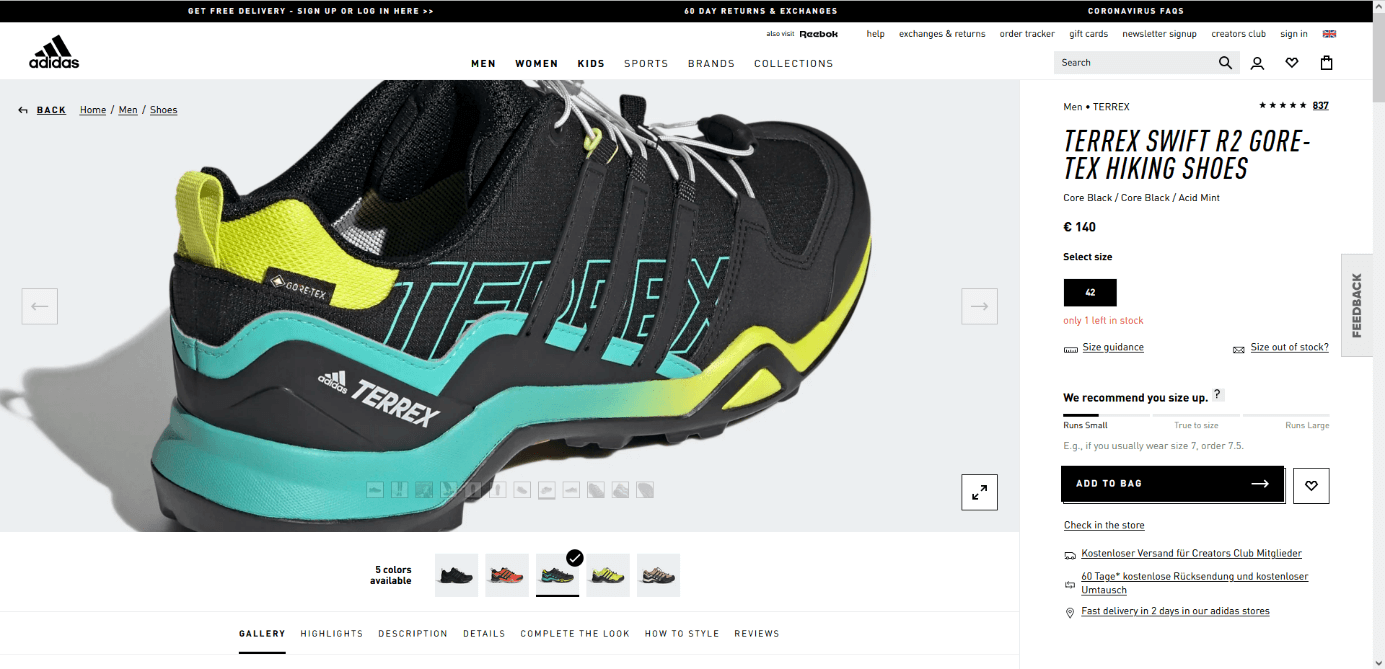
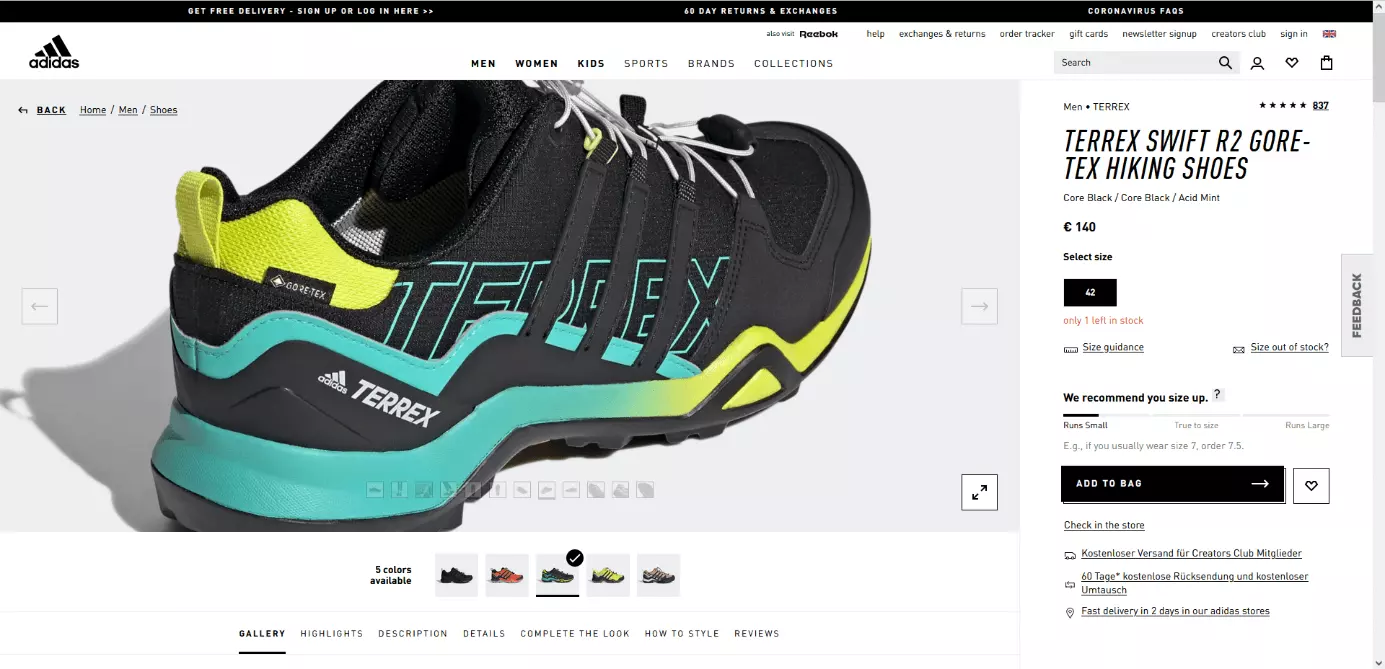
Ingredient co-branding is a very intense form of co-branding, because all participants in the cooperation must always stay vigilant to make sure that the other partners meet their own standards at all times and that the quality promises made are kept or, in the best case, even built on.
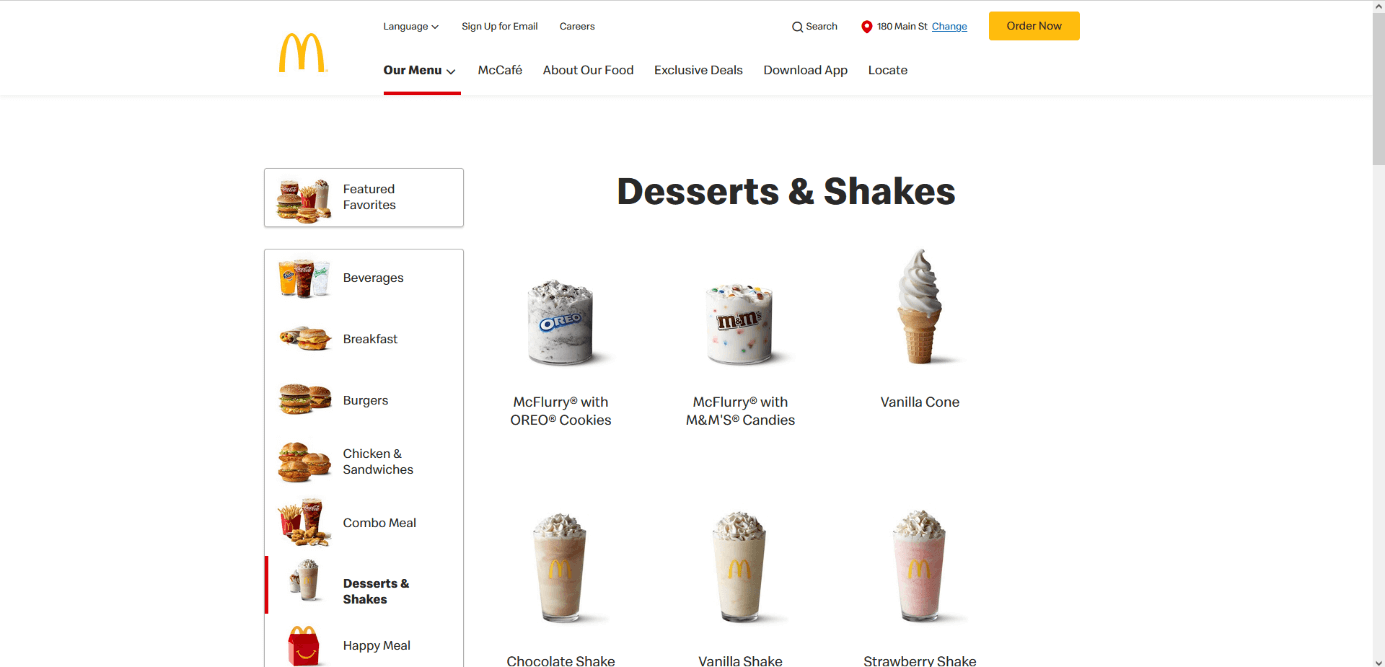
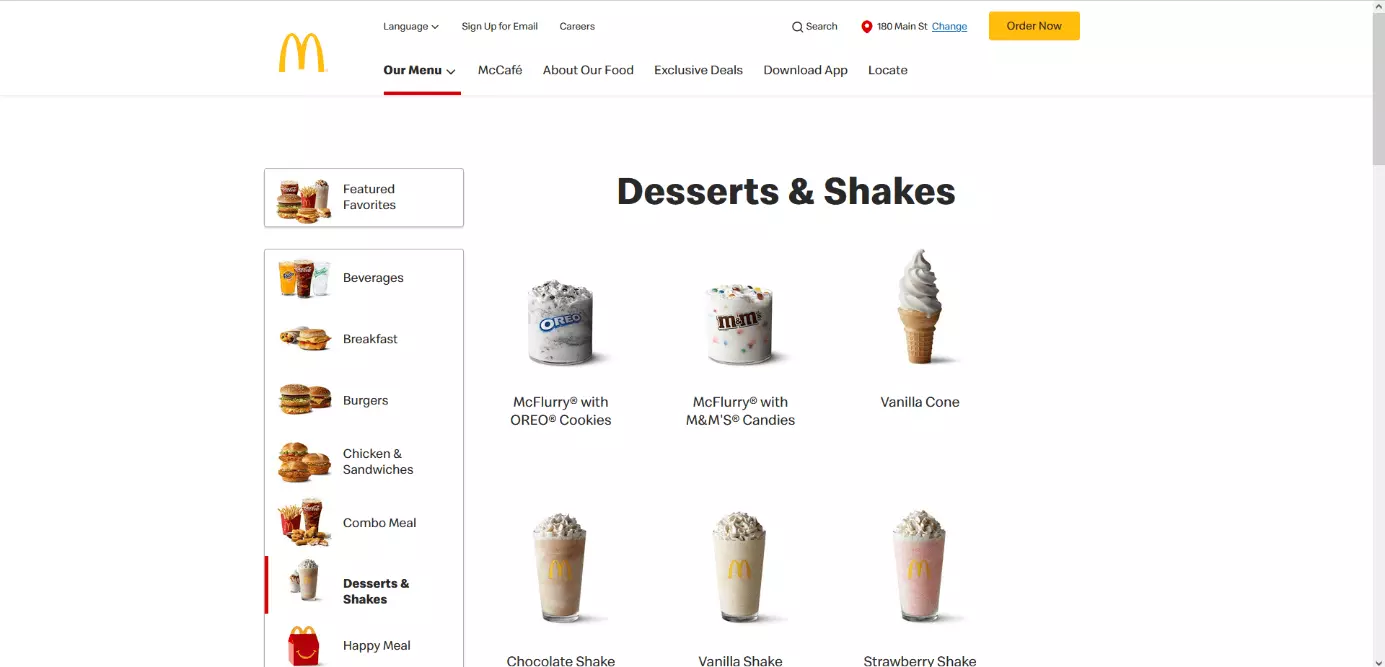
This is usually relatively simple for example with popular foods. The fast food chain McDonald’s has for many years, for example, offered various toppings for its McFlurry ice cream brand, most of which are made up of other popular candy brands.
In principle cross selling is already a kind of ingredient of co-branding within a company or corporation. A good example are products from the food manufacturer Mondelēz International, where two brands are combined, such as Milka chocolate with Oreo cookies or Philadelphia cream cheese with Milka chocolate. However, this does not create a fundamentally new product as in innovation-based co-branding, because the product of one brand forms the basis and is simply supplemented with the other.
Composite co-branding
Composite co-branding can also be referred to as “value-based co-branding”. The approach is similar to ingredient co-branding, but differs in some details. Rather than combining two products into one new product, this approach is more about partnering with the goal of creating new products and services that could not exist on their own.
The best example of this form of co-branding includes offers by credit card providers who present these to customers through cooperation partners. Consumers with credit cards from a particular bank can regularly enjoy new discounts at various shopping portals, hotels, or travel providers.
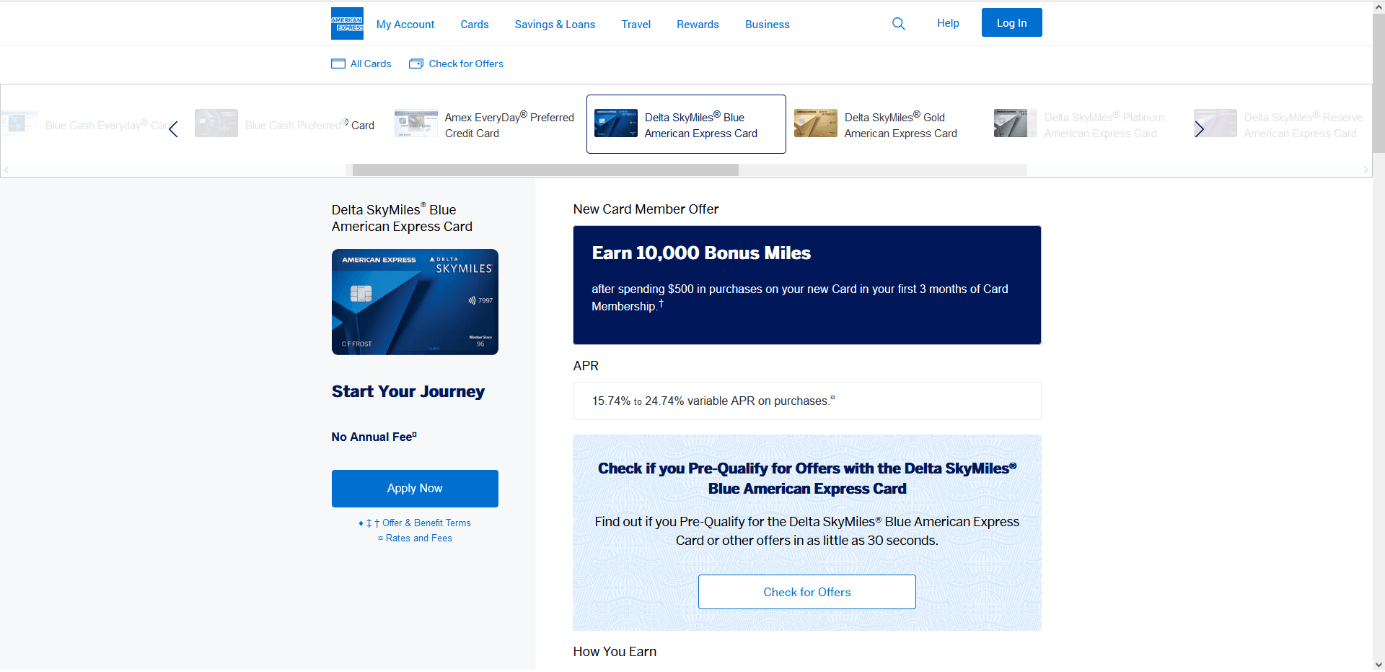

In contrast to ingredient co-branding, this cooperation is not logical but arbitrary. Also, the product or service exists solely because of the cooperation – the offer does not exist without it.
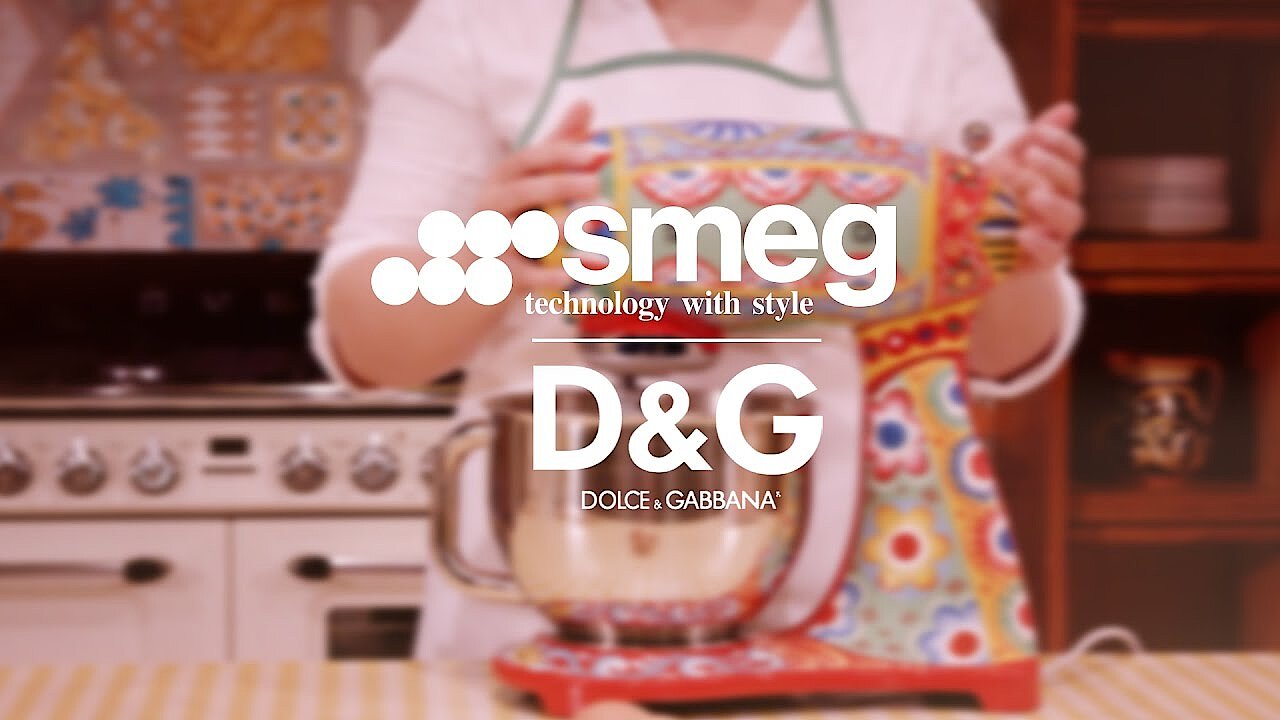
A few exciting examples of composite co-branding can be found in product design. The Italian household appliance manufacturer SMEG has been cooperating very successfully with the fashion company Dolce & Gabbana for several years. The designers from D&G originally designed a hand-painted refrigerator for SMEG, which received a lot of attention and can practically be described as viral marketing. Meanwhile, there are several SMEG product lines in D&G designs, such as blenders and food processors.
 To display this video, third-party cookies are required. You can access and change your cookie settings here.
 This can be compared to regular co-branding campaigns from H&M with designers such as Karl Lagerfeld, Stella McCartney, and Versace. Consumers who prefer designer brands will not buy their clothes from H&M. But due to the cooperation, some of the glamour of the designer brands is carried over to H&M, so that the typical H&M target group – mostly younger people – is able to develop a taste for more expensive clothes.
Special car models might also be well-known, such as the VW Golf collab with bands such as Bon Jovi, Genesis, or Pink Floyd. Sneakers with Pokémon motifs, which are available from many major clothing manufacturers, are based on a similar principle.
Innovation-based co-branding
In innovation-based co-branding, a new product or service is created through brand cooperation. The motivation behind it remains the same: strengthening the respective brand images, increasing reach and, last but not least, growing profits. However, the costs involved in innovation-based co-branding can be significantly higher than in other branding efforts, because the new product must first be developed.
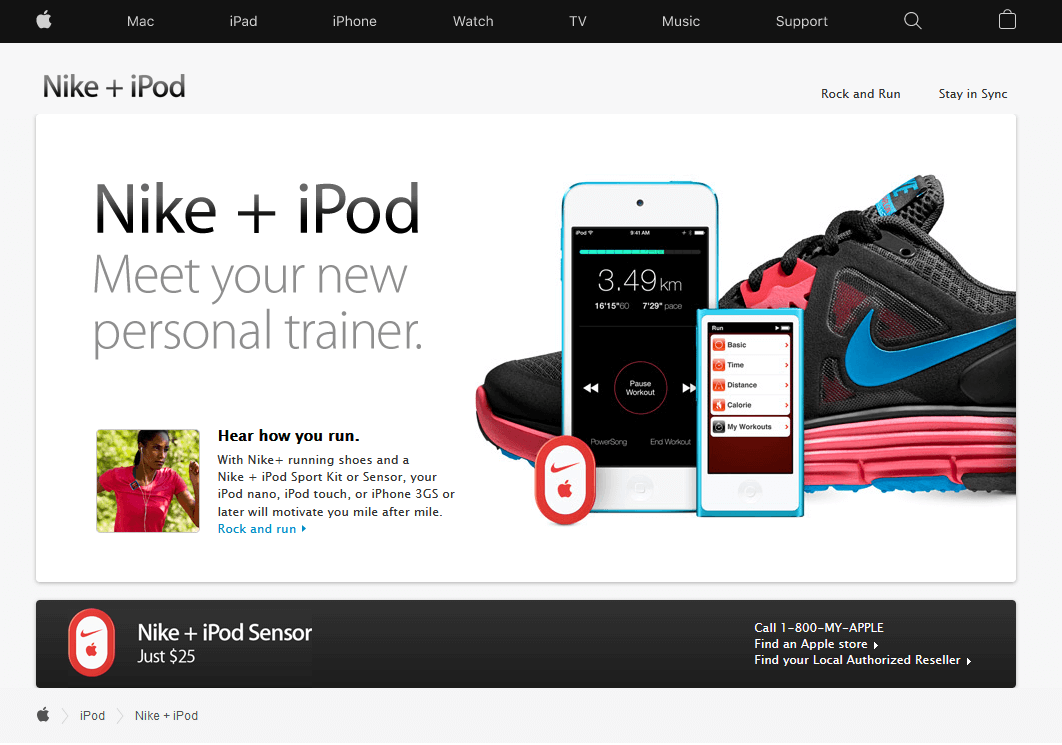
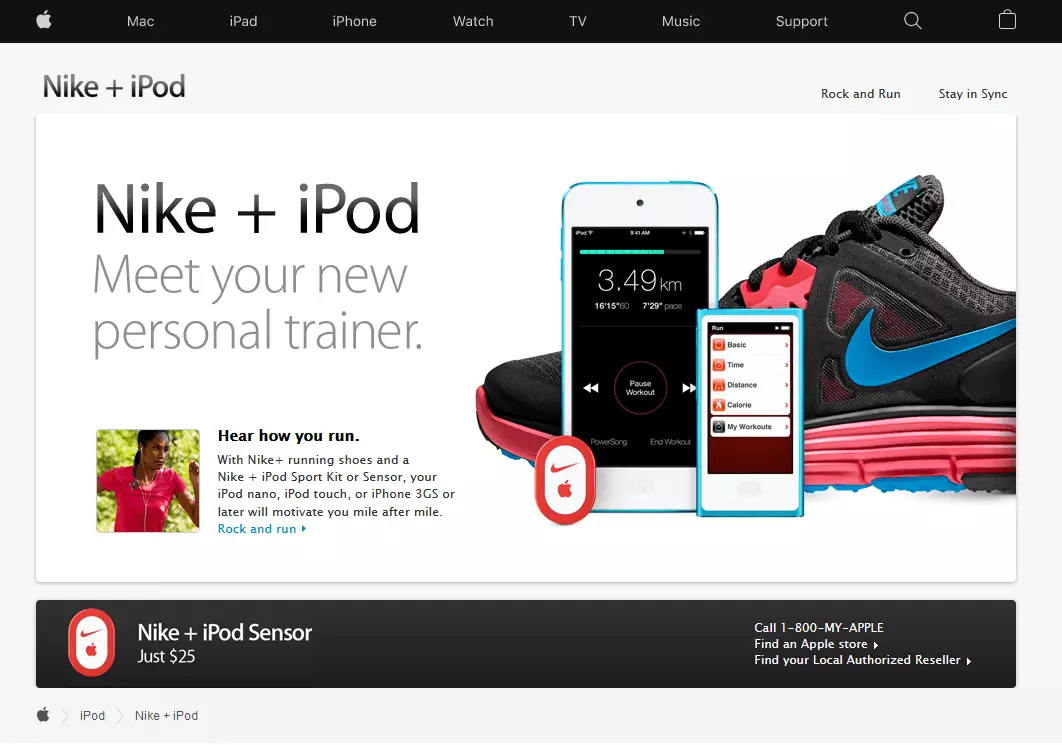
A good example of innovation-based co-branding is the cooperation between tech company Apple and sporting goods giant Nike. In the 2000s, the latter developed a special motion sensor for running shoes, Nike + iPod – basically one of the first ever fitness trackers. The iPod was used to collect and analyze data and provide workout programs. Today, smartwatches take over this function without a sensor in the shoe. But Apple and Nike are still collaborating, though in the form of composite co-branding, such as a Nike app for the Apple Watch or Nike wristbands for the Apple Watch.
Cross-industry co-branding and sponsorship
At first glance, co-branding between brands from different industries may not make much sense to marketers and/or potential customers because the individual products are too different. However, there are successful examples out there, such as the cooperation between Louis Vuitton (the brand belongs to the French group LVHM) and the German car brand BMW. Here, Louis Vuitton designed a luxury luggage collection for the presentation of the BMW i8 model at the 2013 Frankfurt Motor Show (IAA).
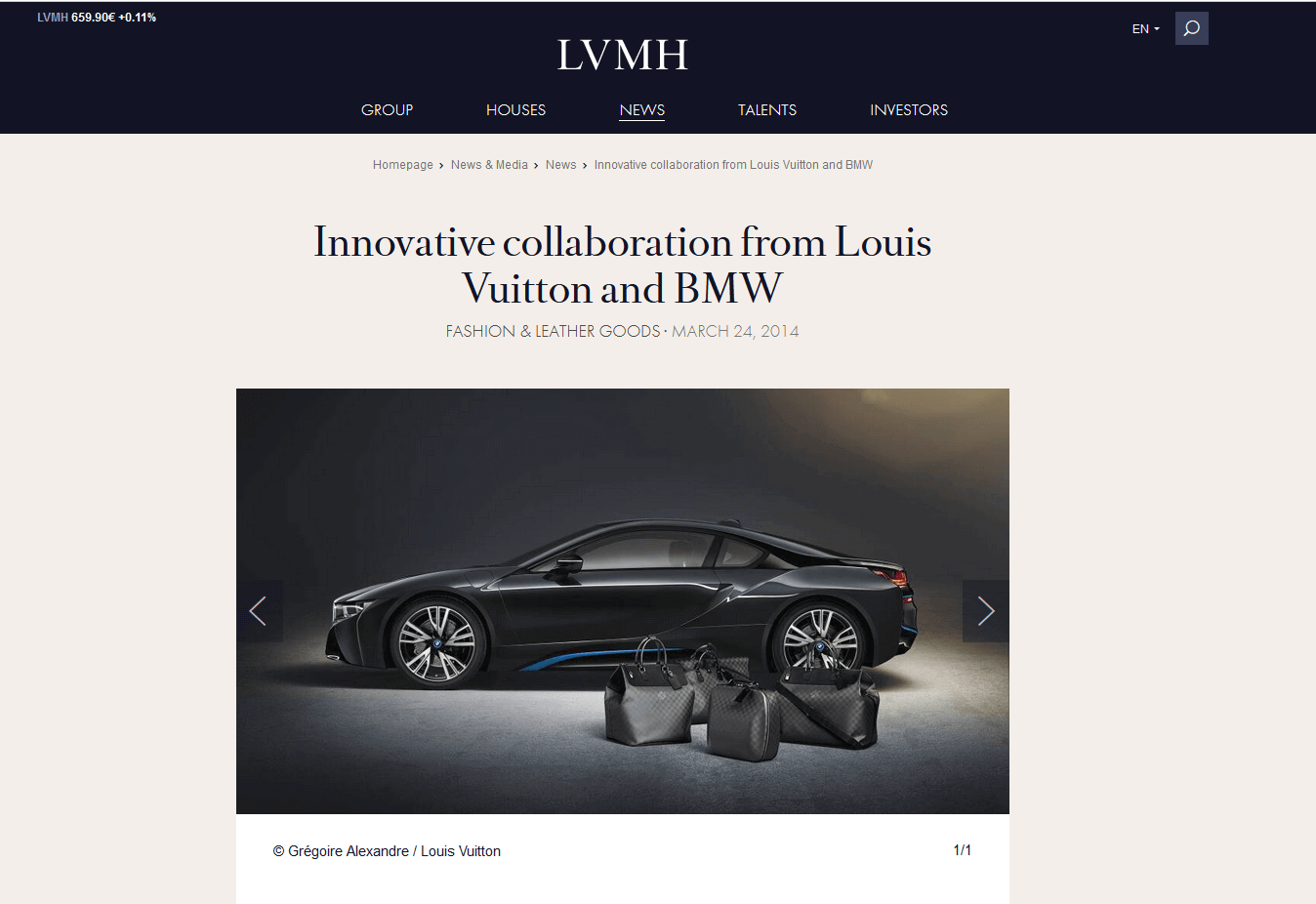
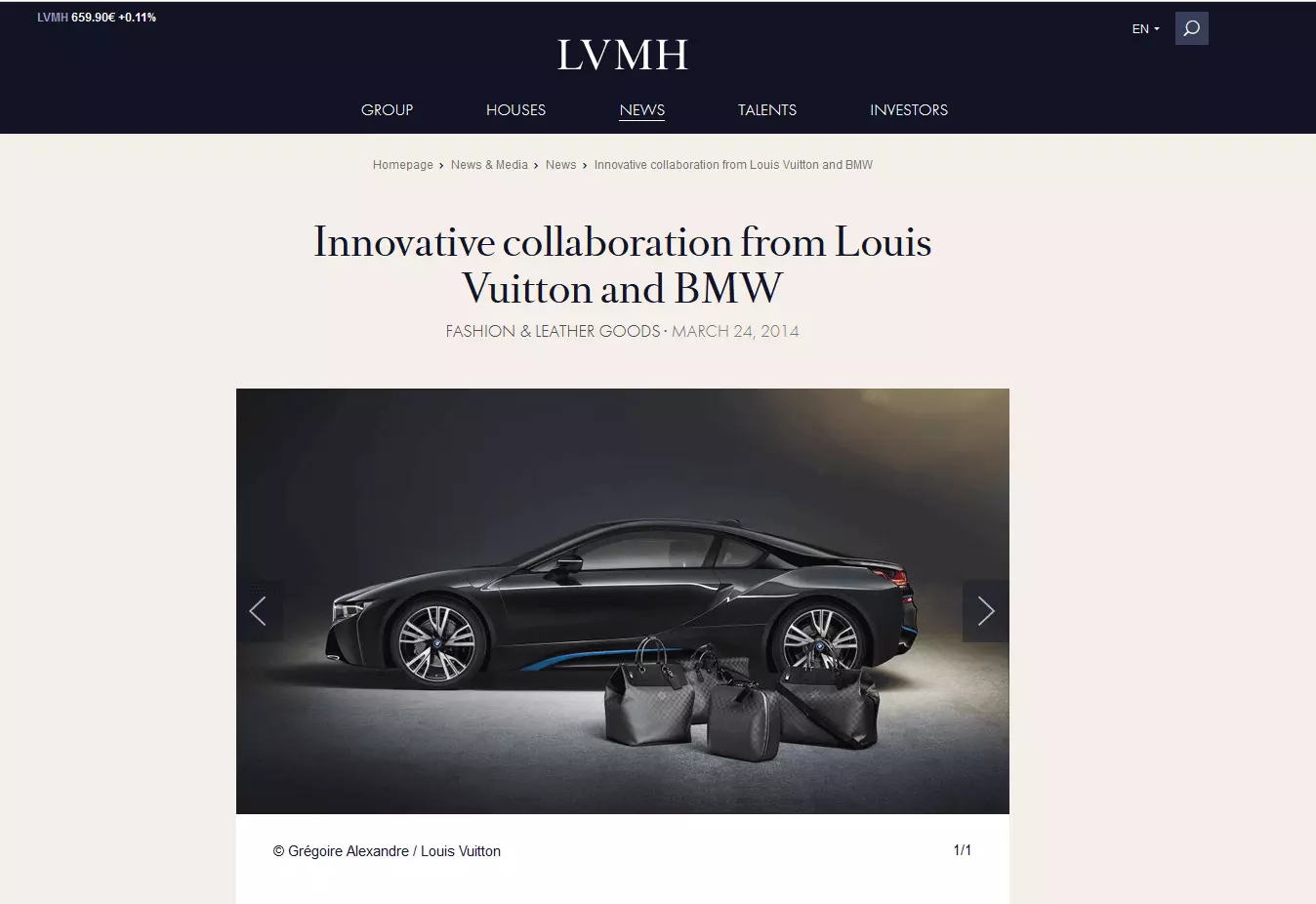
In this example, the brand cooperation is not reflected in a joint product, but in a coordinated presentation for a specific event.
A very common form of cross-industry co-branding are collaborations with celebrities and well-known personalities. The goal is usually to present a particular product in a particularly good light. As a rule, it is primarily the brand owners who benefit from the celebrity’s high profile. Frequently, the collab is also realized by way of classic sponsoring. This minimizes the risk of damage to the advertising partner’s image as a result of any subsequent damage to the image of the product or the manufacturing company.
One example is the cooperation between multiple-time world soccer champion Lionel Messi and the Lay’s (PepsiCo) potato chips brand: Messi can be seen on the chips bag, among other things, and fans can purchase a personal video message from him on a specially created website. The basis for the collaboration is likely the idea that people like to consume potato chips and similar products while watching soccer at home. The fact that potato chips tend to be an unhealthy consumer product does not seem to jeopardize the soccer player’s image. Lay’s, in turn, is likely to benefit from the sporty celebrity image of its advertising partner.


However, co-branding and sponsorship can also damage celebrities’ image: For a while, the German Football Association (DFB) cooperated with the confectionery company Ferrero. Among other things, the national team’s players were seen in commercials eating breakfast with the chocolate spread Nutella. The criticism was not only that Ferrero was promoting sweets as a sports diet. When national players who were less successful were kicked off the team, people spoke mockingly of the “Nutella boys” who were suffering from the “Nutella curse”.
The ambition to collaborate with well-known personalities is also widely known as influencer marketing. These kinds of campaigns also tie in with content marketing, for example in the form of celebrity guest posts on YouTube, in blogs, or magazines.
What do you need to keep in mind in a co-branding strategy?
Basic requirements
For co-branding to be perceived as co-branding by advertisers at all, the brands involved must demonstrate a certain market strength. This means that they have operated independently up to the time of the cooperation and are established on the market. This also means that the brands must be able to operate independently again after the possible end of the cooperation.
Co-branding strategies are not suitable for making quick profits in the short term. Successful co-branding is based on long-term cooperation, even if it’s usually time-limited. At least two brands are involved and have the goal of jointly creating a new service. To finish, previously-defined joint goals should be achieved.
The processes of organization, production, and marketing must be precisely coordinated between the companies involved. Consideration should be given to whether room for maneuver with regard to the company’s own brand policy could be restricted. Changes in ownership of partner brands can also have an impact on co-branding.
Selecting cooperation partners and products
Whether you choose a partner from the same business, the same industry, or a completely different sector is not initially decisive for the success of the co-branding strategy. The following aspects are more important:
- Brand strength: The partners or their brands should have roughly the same size and awareness as well as popularity and experience.
- Complementarity: Both brands have commonalities and complement each other well in their differences. Their target groups also overlap to some degree.
- Brand fit: Both brands fit together. Company philosophies can also play a role.
- Product fit: The new product is similar to the previous products and the target groups are very familiar with the brands.
Transparent communication
Once partners have been found for cooperation, it is essential to communicate this cooperation appropriately across all relevant products, to demonstrate transparency to customers. From a legal point of view, it should be noted that the cooperation is being initiated by all participating parties.
Plan in risks
Regardless of how successful your co-branding strategy may be, risks should be considered in the planning phase. In other words, the cooperation agreement must always cover the worst-case scenario. This could be a total product flop or a sudden image scandal.
The reputations of the brands are basically mutually influenced in co-branding. If the cooperation can increase the popularity of the brands, a digital frenzy against one brand can have just as negative an effect on the brand that is not actually being criticized.
Planned marketing measures can also harbor risks, e.g. if the campaign is set to include guerrilla marketing. It’s important that the measures chosen fit all brands involved.
Kickstart your own branding journey with your online store. IONOS offers various solutions to create your own online store in just a few easy steps. It gets even better: Start selling your products via Facebook, Instagram, and other networks or extend your business with another online selling place – it’s super simple with the Social Buy Button from IONOS.