

What are the top digital marketing trends for 2025?

Today’s online marketing, much like technology itself, is constantly evolving and regularly introduces new trends. AI-powered automation, immersive technologies, and social commerce are leading the way. But topics like accessibility and green marketing should not be overlooked in 2025 either.
8 online marketing trends to watch out for in 2025
- AI-powered automation
- Metaverse marketing
- Sustainability in online marketing
- Video content
- Accessibility as a standard
- Visual and voice search
- Social commerce
- Influencer marketing
- Free Wildcard SSL for safer data transfers
- Free private registration for more privacy
- Free Domain Connect for easy DNS setup
Redefining efficiency with AI-powered automation
The use of artificial intelligence (AI) will remain a key trend in online marketing through 2025. AI offers businesses entirely new ways to streamline their marketing processes while also enhancing the customer experience.
AI tools such as chatbots and automated email systems handle time-consuming routine tasks, allowing teams to focus on strategic and creative efforts. For example, chatbots can answer simple customer inquiries in real time and even manage more complex interactions like product recommendations.
AI-driven social media tools like Feedhive, Hootsuite, and Sprout Social use artificial intelligence to schedule posts, analyze performance data, and predict the optimal times to publish content. Modern AI tools can even generate content automatically, including post text and hashtag suggestions, tailored to each platform.
A current real-world example of AI integration in marketing is Amazon’s use of AI-generated ads. The e-commerce giant employs AI to create product descriptions, images, and promotional materials. This technology enables the automatic generation of engaging and relevant content based on product images—designed to capture the interest of potential customers.
Expanding possibilities in virtual reality with metaverse marketing
The metaverse is an emerging digital reality where virtual and augmented worlds converge. It offers businesses new opportunities to create immersive and interactive brand experiences. By 2025, the metaverse is no longer a distant vision but a growing ecosystem that is transforming marketing.
Companies can design virtual showrooms and events where customers experience products in 3D or enjoy personalized interactions in fully immersive environments. This builds emotional connections and strengthens customer loyalty.
With AI-powered avatars and chatbots, businesses can deliver personalized interactions tailored to each user’s preferences and needs—driving deeper engagement and enhancing retention.
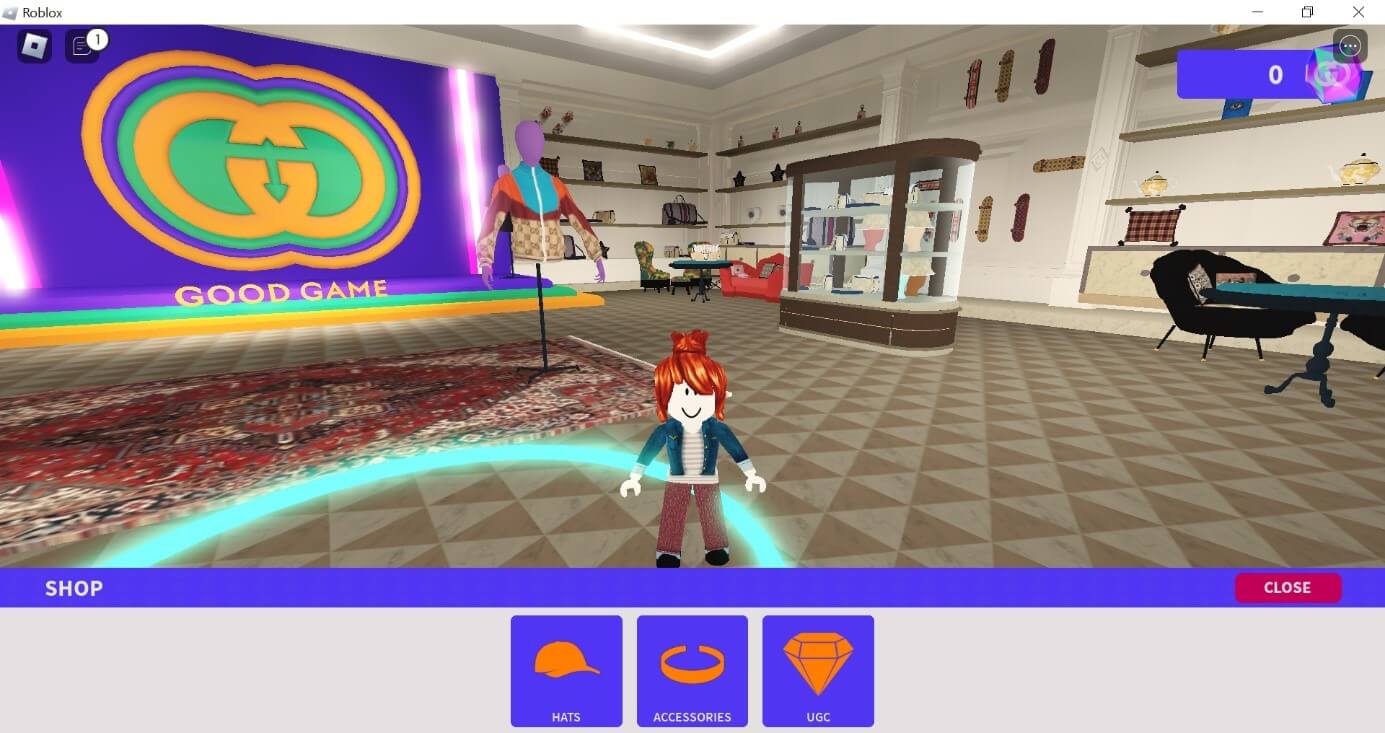
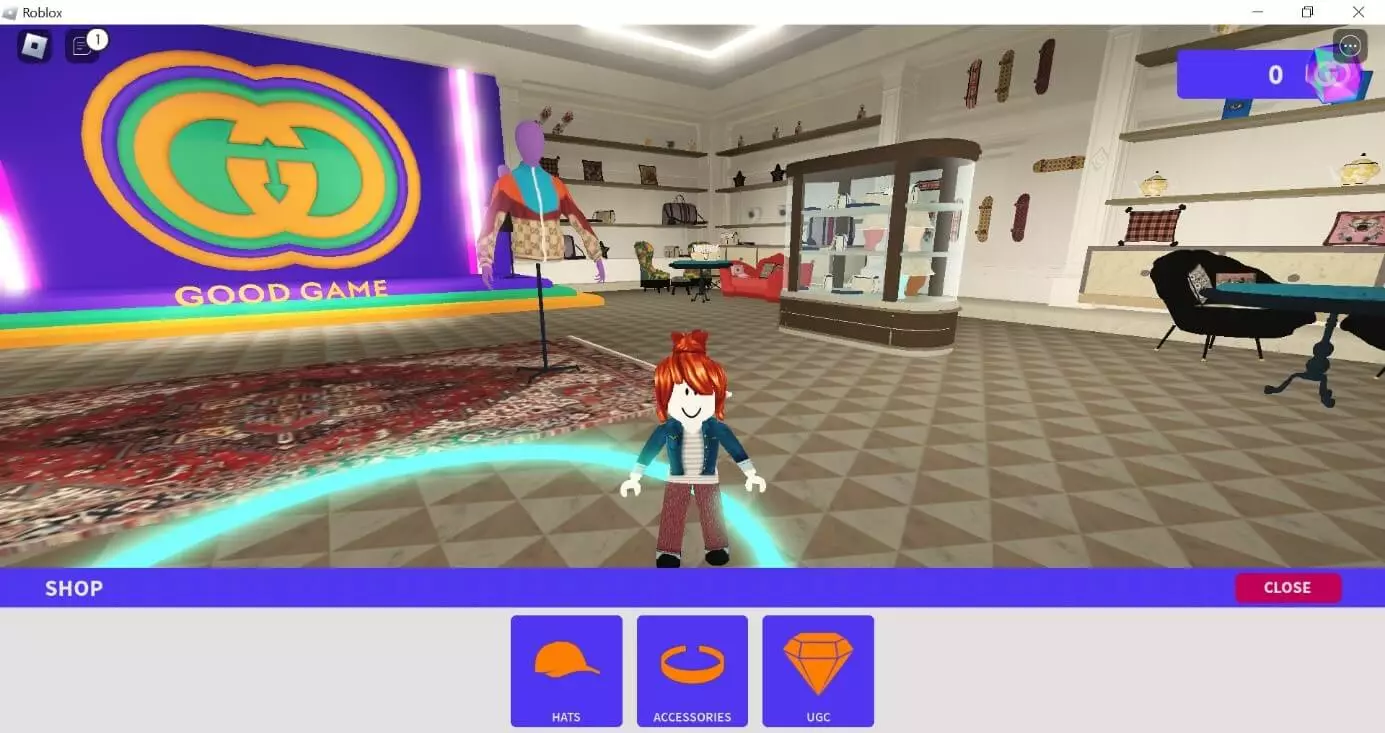
As an example, metaverse shopping is already possible in the Gucci store on the online gaming platform Roblox.
Sustainability in online marketing through green commitment
Sustainability is no longer just a trend—it has become an expectation for many customers and is one of the key online marketing trends for 2025. Consumers are increasingly choosing brands that act in environmentally friendly and socially responsible ways. Green marketing means clearly communicating these sustainable values and actions—whether through eco-friendly packaging, climate-neutral supply chains, or support for social initiatives. Companies like Patagonia and VONGRUEN demonstrate how sustainability can be successfully established as a core brand value. The key is transparency: customers don’t just want nice promises—they want clear proof of sustainable practices.


Video content – livestreams, tutorials, and much more
In recent years, the use of video content has skyrocketed. Events are now held digitally, new films are released directly on streaming platforms, and TikTok is flooded with entertaining clips. Video content is also being used more frequently in online marketing to engage customers through visual storytelling. The following trends will be especially relevant in 2025:
- Short-form videos: Platforms like TikTok and Instagram Reels are reshaping how content is consumed—fast, concise, and straight to the point. Videos lasting just a few seconds to two minutes capture attention quickly and generate high engagement rates.
- AI-powered video editing: Artificial intelligence is making video editing faster and more efficient. Features like automatic subtitles, smart cuts, and optimization of lighting and colors simplify production and make it more accessible.
- Interactive videos: Audiences love to be actively involved. Videos with interactive elements like polls, quizzes, or decision points boost engagement and foster stronger brand connections.
When it comes to video design, storytelling is a key element. Companies that succeed in emotionally connecting with viewers through their video content build loyalty and expand their customer base.
With the HiDrive cloud storage, you can safely store your videos and other files online. Individual users get a full 100 GB of storage.
Making accessibility the standard for digital inclusion
Accessibility in online marketing means creating communication content that is accessible to everyone, regardless of physical or cognitive limitations. This includes adapting websites, emails, social media, and other marketing materials to ensure inclusive communication.
In the United States, digital accessibility is governed by laws such as the Americans with Disabilities Act (ADA) and Section 508 of the Rehabilitation Act. These regulations require that digital content be accessible to individuals with disabilities. Ensuring compliance not only helps avoid legal issues but also broadens your audience reach.
Implementing accessibility requires careful planning and execution. This includes training employees, adapting existing digital content, and continuously reviewing accessibility standards. Businesses should also gather feedback from users with disabilities to continuously improve their offerings.


Creating an accessible website doesn’t have to be difficult. With the website builder, you can set one up in no time—with a domain and email address included!
Simplifying online shopping through visual search
Visual search uses images as the basis for search queries, opening up entirely new ways to discover products. Users upload a photo or screenshot, and the technology identifies relevant objects, brands, or categories within the image. Using advanced algorithms, search engines analyze colors, shapes, patterns, and context to deliver accurate results.
Platforms like Google Lens and Pinterest Lens allow users to take pictures of real-world items and find matching online offers. eCommerce giants like Zalando and Amazon are also integrating visual search into their apps to make the shopping experience more intuitive and user-friendly.
To benefit from the visual search trend in online marketing, businesses should ensure their product images are high-quality and relevant. High-resolution photos, along with accurate alt text and metadata, help search engines better understand and classify content. In addition, images should be enriched with detailed metadata to directly match search queries and boost visibility.


In addition to optimizing for visual search, online marketers should consider voice search optimization for their website. This means creating content that aligns with natural language and long-tail keywords. As a result, voice-based queries like “Where can I find affordable winter boots?” can be addressed more effectively.
How social commerce is transforming online shopping
The influence of social media platforms and influencers in online marketing continues to grow. Social platforms have become established marketing channels that offer broad customer reach and provide users with a wealth of product information.
Social media marketing can take many forms. In addition to social media advertising, one of the most popular social media marketing trends today is social shopping. Social networks serve as a space where users can interact with others, exchange product recommendations, and enhance their overall shopping experience.
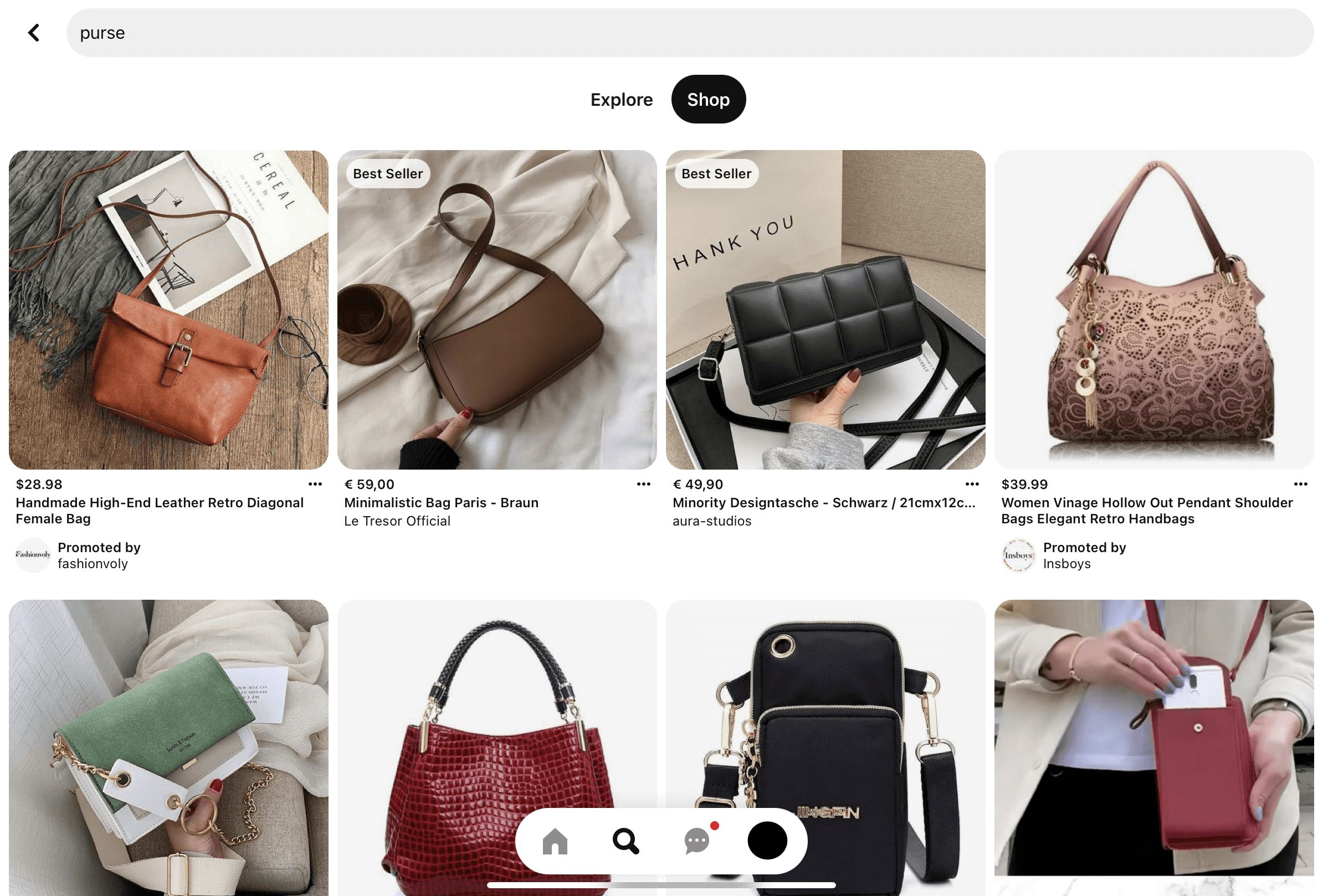
Popular platforms that offer social shopping include Instagram, where online stores showcase products through striking images that users can like and comment on, and Pinterest, which features a dedicated shopping category where users can explore and purchase tagged products directly from Pins.
Building brand awareness through influencer marketing
Influencer marketing—also known as corporate or micro-marketing—is not a new digital marketing trend, but it remains a powerful tool in social media strategy. While brands once focused primarily on mega-influencers with massive followings, the emphasis today has shifted toward authentic, long-term partnerships with micro-influencers (typically 5,000 to 100,000 followers). These influencers often maintain stronger relationships with their communities and deliver higher engagement rates.
A growing trend in influencer marketing is the use of AI influencers—digital personalities powered by artificial intelligence. These virtual influencers allow for precise brand control and are always available. But this raises an important question: Can a perfectly curated digital persona truly build the kind of authentic connection that real consumers expect from human influencers?
People are often more compelled to make a purchase when a charismatic or relatable individual gives them good reasons to do so. Whether it’s through a detailed tutorial or an unboxing followed by a review, influencers present products in a genuine light and help drive traffic to your website.
The online marketing trends presented here aren’t just for large corporations. Individuals and small businesses can also benefit from online marketing tips to improve their web presence and increase sales. If you’re just getting started and unsure where to begin, we recommend starting with the online marketing basics.