Instagram for businesses, part 2: strategy and planning

If you’re active on social media, you’re probably aware of the ever-growing hype surrounding Instagram, the world’s most popular image-sharing app. The app is an unprecedented success story on a remarkable scale — over 95 million new photos and videos are uploaded on the platform every single day. Users don’t just consist of individuals but also brands, celebrities, and the so-called influencers.
Instagram’s combined approach of allowing its users to create and innovate while simultaneously providing a large public platform for self-promotion is unique among social networking sites. But ever increasing brand awareness doesn’t come automatically; Instagram can make or break your image — it all depends on how you choose to use its functions.
There are plenty of things to consider when planning an Instagram campaign: what makes good content? What is the best way to make use of Instagram stories, hashtags, and the Instagram community? And how can you integrate Instagram seamlessly into your marketing mix?

Instagram for businesses: an introduction
Summer 2016 saw the launch of the Instagram business account. Before that, personal and commercial accounts were often indistinguishable. This new kind of account offers extensive profile information as well as a CTA button with three contact options (e-mail, phone number, route planner), a selection of categories, and a statistics function. This last feature is of particular interest to marketers and businesses since as a new analytics feature, it makes it possible to learn more about your followers and how to improve the performance of your posts without using an external provider. Once you’ve set up your Instagram business account, fleshing out your strategy and defining your key aims should be your primary focus. For further information on how to change your standard profile into an Instagram business account, check out the first part of this series.
Which industries use Instagram?
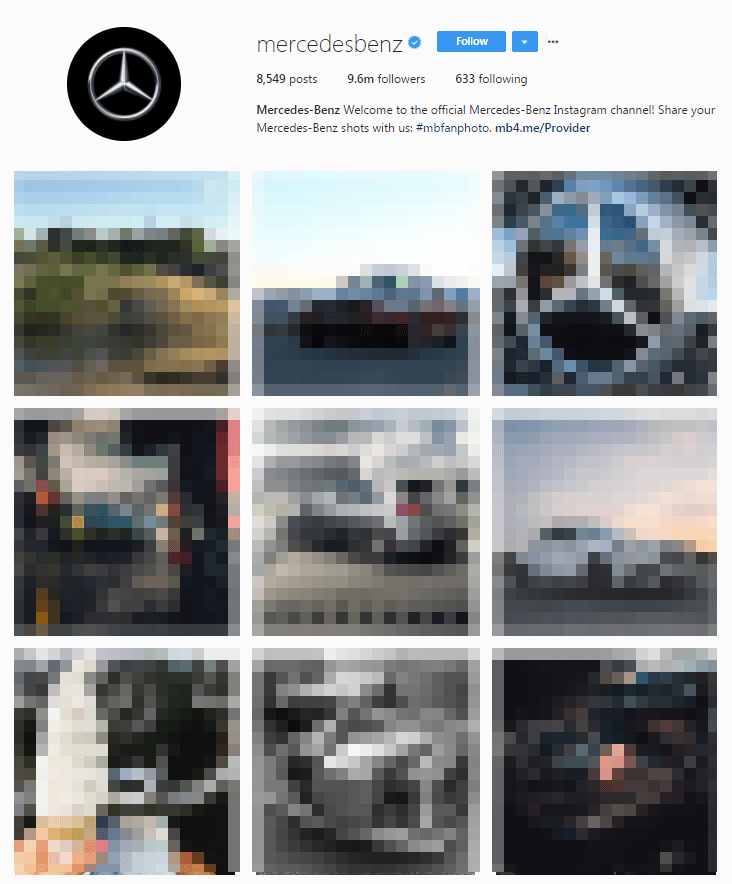
With the right strategy, technically any company from any sector can benefit from using Instagram – from the biggest designer clothing brand to the smallest local café, practically every industry is represented in some way on Instagram. At times, Instagram can seem oversaturated with aesthetically driven industries such as fashion and beauty and while these branches certainly are prominent pioneering forces on the social networking app, they have recently been surpassed by another: the automotive industry. Nearly every automobile company uses Instagram to keep fans and followers up to date and provide high-quality photographs of their vehicles.

Using Instagram in your marketing mix
The list of social media platforms that provide marketing opportunities is long — particularly when it comes to image-sharing platforms. Instagram is constantly battling competition from Pinterest, Snapchat, Flickr, and Facebook, all of which provide marketing opportunities via sharing images and videos.
One crucial difference between Instagram and other social media channels is their use of links; while tweets and Facebook posts often come with a link to a blog, landing page, or shop, Instagram posts do not include links. Put simply, the app does not generate direct traffic for a website. Instagram marketing instead focuses on key performance indicators (KPIs).
Branding not traffic
Instagram is not a typical performance marketing channel, it’s more of a tool to curate an image and increase brand awareness. Of course, this indirectly supports wider marketing objectives and sales but it is hard — if not impossible — to measure these effects. As no direct traffic is generated via organic Instagram posts, conversions are difficult to trace. Instagram should be regarded as a digital branding channel. The aim isn’t to gain clicks, but to control how people perceive your brand. In this context, you’re likely to hear the following buzzwords:
- Visual storytelling
- Visual corporate storytelling
- Branded storytelling
Put simply: those who are active on Instagram want to increase their brand awareness and boost product communication through pushing image-driven content. The platform is used to attract attention with a strong focus on KPIs such as:
- Followers
- Outreach
- Interactions rate
- Generating and publicizing campaign hashtags
Instagram is, therefore, often used as an extension of bigger branding campaigns, except for the newly introduced Instagram ads, which we will explain in the last part of our Instagram guide.
Enormous user engagement
Sharing images on Instagram is only possible to a limited extent, giving it a different dynamic to other social networking platforms. On Facebook, for example, when a user shares a company’s post, his or her friends can share it again, rapidly building up momentum and increasing the post’s outreach without any active input from the company itself. With no share function, however, this phenomenon rarely occurs on Instagram.
Despite this, Instagram can offer a great advantage over other channels: compared to Facebook and Twitter, the engagement rate is incredibly high. Users interact far more frequently on Instagram than on any other platform. Here, users like and comment on posts to their hearts’ content. According to one Forrester study, user engagement with companies on Instagram accounts is on average 58% higher than on Facebook and 120% higher than on Twitter. Instead of sharing posts, Instagram users tend to tag their friends’ usernames in comments under photos in order to show them interesting videos and photos. Over two-thirds of all comments on Instagram are just tags.
Building up your outreach on Instagram
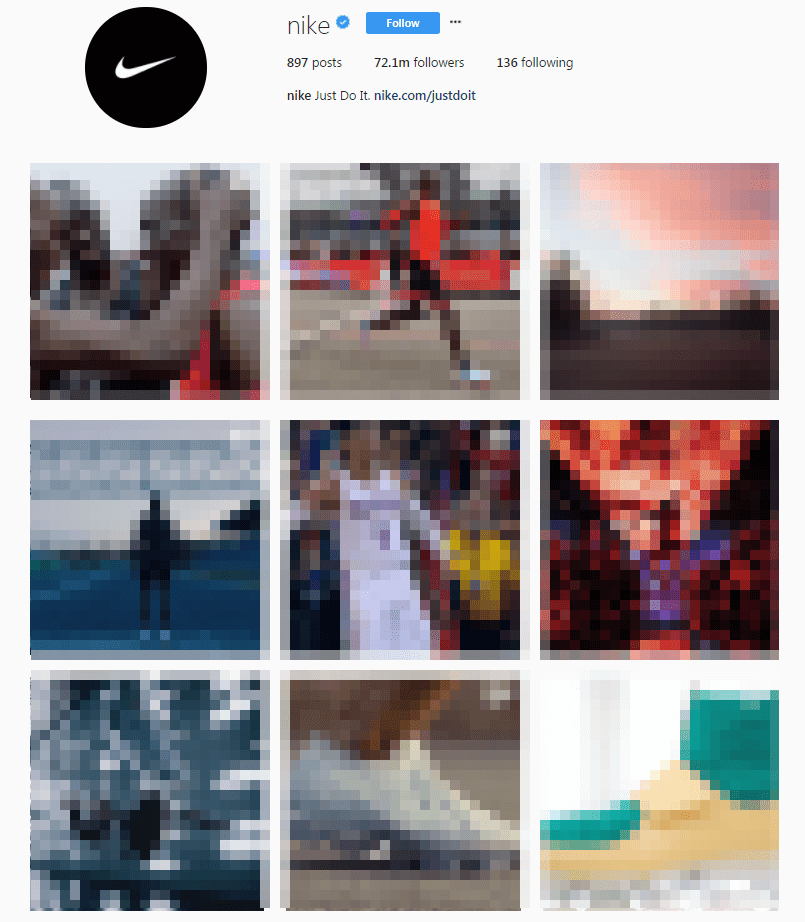
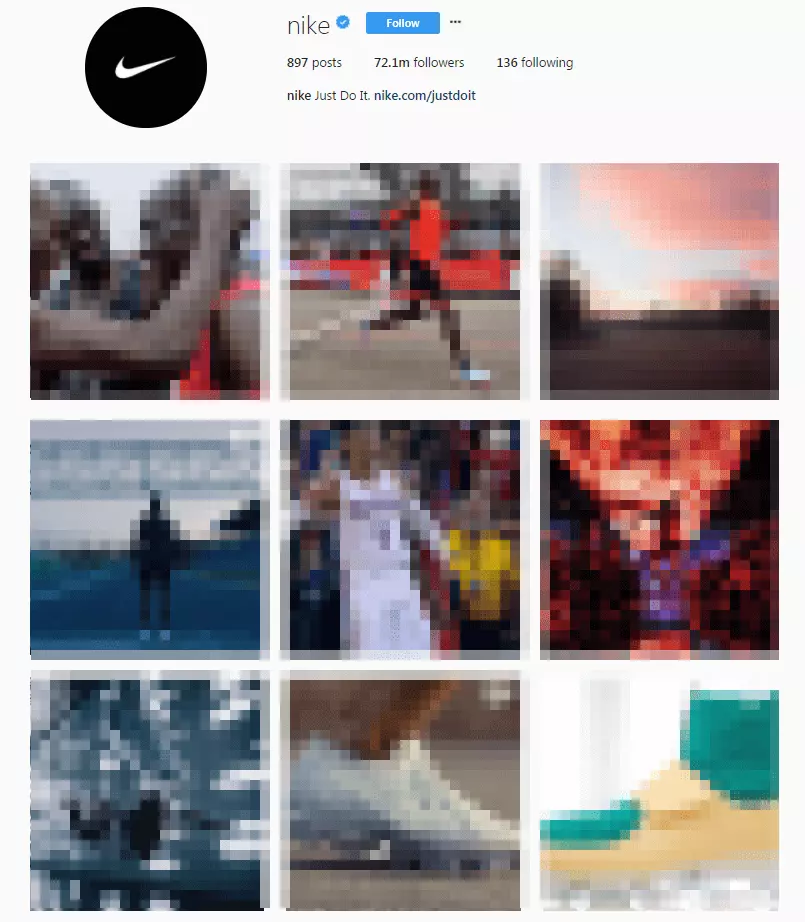
With 78 million active users per month in the United States alone, Instagram provides a remarkable amount of potential for achieving a large outreach and high user engagement rate. In order to benefit from this, your company first needs to build a follower base. So, how should you do this? Of course, it’s very tempting to take the easiest and quickest route but this is usually not very sustainable — the somewhat dubious option is to you buy followers. While this increases the follower base and outreach in the short term, it won’t further corporate objectives in the long term. This method rarely leads to companies gaining followers who are genuinely interested in the brand and as a result, the level of interaction will be very low, making this an ineffective way to expand your outreach. It’s far better to gain Instagram followers naturally. While this takes longer and requires more effort, it is far more sustainable. In our guide on how to get Instagram followers, we’ve gathered some tips to help you increase your follower base and transform your Instagram into an effective advertising platform without paying for likes. The 10 most followed Instagram accounts all belong to celebrities and athletes, with singer and actress Selena Gomez clinching the top spot with over 100 million followers. The most followed company is Nike with currently over 72 million followers, making it the 13th most followed Instagram in the world.
Instagram content strategy
The right content strategy is required in order to build a brand on Instagram and reach out to the desired target group. Taking the right approach when addressing your target audience is usually firmly anchored in a company’s communications guidelines. Your content strategy should be reflected in the social media marketing plan. In Instagram’s case, it’s crucial that your communication objectives match the interests of the users. But there’s more than one way to define the visual identity of the company profile.
Creating an easily identifiable brand
On Instagram, aesthetics are the be-all and end-all. A corporate web presence needs to be unique but consistent. This is because it is important for the brand to be identifiable. To get the right look for your business profile, it helps to restrict yourself to just one or two filters or use a distinctive visual element/style across all of your images. This will help you to develop a unique style that users can easily associate with your brand; this quality is desirable for successful branding.
Instagram content planning
Practical aspects of content strategy include:
- Regular new posts
- Timing of publication
- Choice of motifs, themes and style
- Creating a suitable content calendar
It’s important for businesses to post new images regularly without bombarding users with too many images. On average, brands post three times a day; however, as with any other social media network, the exact time depends on the target group. There’s no strict guideline for when and how frequently you should post; the best way to find out is simply to experiment and find out what time works best for you. The new analytics function helps here by offering comprehensive information about your follower base. You should then record the results in some kind of editorial plan or content calendar. This will help you determine the time you publish your content and allocate responsibilities.
What does a good Instagram post look like?
Quality and relevance are central factors for photos, videos, and Instagram stories (read further for more on this topic). But to have good content on Instagram, you also need to create a feed that is fun, creative, authentic, personal, and innovative.
For example, in industries like tourism, we see high-quality image content en masse. But glossy photographs of dreamy getaways are not the only way to find success on Instagram – the competition here is incredibly strong. For example, one very successful Instagram company account is that of travel provider, Thomas Cook. This company often relies on user-generated content by encouraging followers to partake in photo competitions. By tagging their photos with #thomascook, users can win the chance to feature their photographs on the company’s Instagram, which has over 22,000 followers. This in turn generates more publicity for the winning user. There are currently over 60,000 images with this hashtag.
Keep the focus on your product
While product photos can be a big no-no on other platforms, on Instagram, creative images featuring your product can generate a great number of interactions. The engagement rate with product photos is even higher than those of lifestyle images and posts by influencers and celebrities. On the other hand, prize draws and posts advertising sales don’t perform as well. Creative visual content is the key component of success on Instagram, and the platform’s structure makes it more difficult to host competitions, as is possible with some social media channels like Facebook.
Wal-Mart’s Instagram business account is a testament to the selling power of product photos. With over 827,000 followers at the time of writing, the account, which predominantly consists of product photos, has an enormous outreach that continues to grow daily. The company posts once a day on average. In addition to product photos, the company also posts tutorials and DIY ideas. In addition to creative ideas and impressive photography, Wal-Mart also shapes its online presence with a uniform visual language and a recognizable style.


Preparing your posts
The idea and implementation behind a photo are decisive aspects in how they are received as well as how many likes and comments they attract. But even the prettiest photos are useless if they are not properly prepped for Instagram.
Captions, hashtags, locations, and emojis are all important parameters that influence the way images are perceived, or even whether they’re found at all. On Instagram, a good image is necessary but adding relevant hashtags and a caption in a suitable voice is the icing on the cake. Businesses should try to understand each Instagram post as an individual campaign, where all components need to be just right.
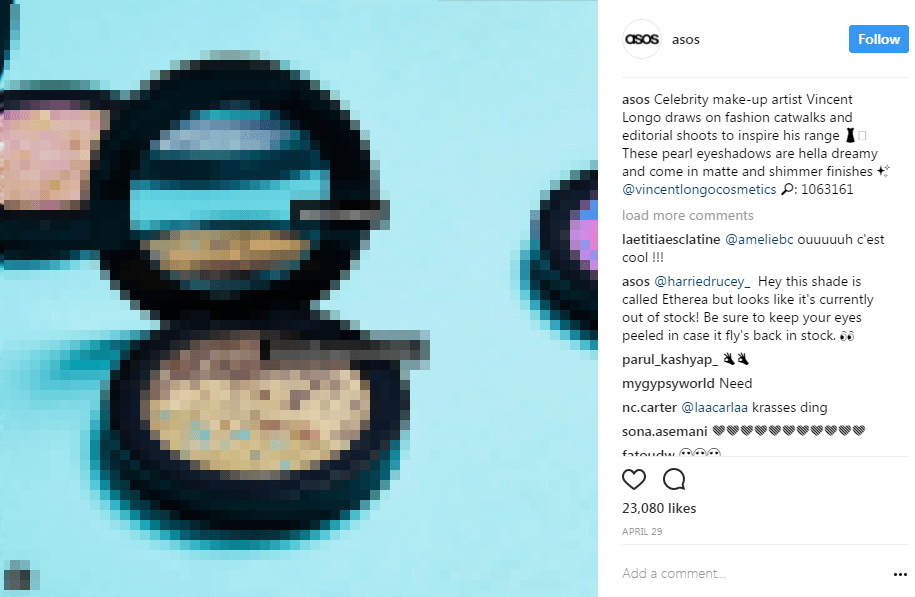
In the following example, you can see how the online fashion retailer, ASOS, has tagged the brands it’s advertising and used light-hearted language and emojis to communicate with their target audience effectively.
You can see more uses of hashtags and emojis on the Haribo Instagram. This encourages the confectionary manufacturers’ followers to comment on their posts.


On the other hand, the American Express Instagram account appeals to a different kind of audience. This can be seen in the structure of the posts: American Express uses a lot of text in order to offer its followers a lot of information. The American Express account’s impressive statistics show that this approach suits the company’s demographic.
These examples show the various ways different kinds of businesses create posts for Instagram. All three businesses have successful Instagram accounts because they choose the right approach for their target group and don’t lose focus on their followers’ needs and expectations.
How to use hashtags
Using relevant hashtags on Instagram is extremely important for the success of building up a follower base. The term ‘hashtag’ became popularized by the micro-blogging service, Twitter. A hashtag is a word or a phrase that is ‘tagged’ using the number sign (#). This enables posts to appear in search engine results pages. On Instagram, hashtags also serve as theme filters and allow individual posts to be found among the constant influx of photos. One important element for businesses is strategic use of Instagram hashtags, as this ensures more user engagement and a higher outreach. This is because users search for specific hashtags and click on others that catch their attention. In addition to hashtags, the search function allows users to search for specific people and locations.
On Instagram, hashtags are incredibly popular, with users being able to attach up to 30 hashtags to each post. However, the overall number of hashtags is not really relevant; the thematic reference is far more important. Companies should make use of existent hashtags and create specific hashtags to accompany their campaigns. Here, you can be creative; you are by no means limited to just using your brand name. Companies can create special slogans and encourage users to post photos using this as a hashtag. Big names like Nike have turned their famous slogan into an inspirational lifestyle motto and a popular Instagram hashtag. If you search for the hashtag, #justdoit, you can find over 9 million fitness-related images. The sportswear manufacturer uses the slogan in its biography and then uses the hashtag in individual video and image posts.


The above example shows that #justdoit is the only hashtag used on the official Nike Instagram. As a global brand, Nike has adopted a minimalist hashtag strategy but this hasn’t prevented it from being seen by millions of people. However, if you want to expand your company’s Instagram presence and your follower base, it may be more effective to use more than one. But which hashtags are the best ones to use? It’s important to remain thematically relevant to your content, so ask yourself how you would describe your photos and find out which hashtags your target group are interested in. You can find an overview of the most popular hashtags on Instagram here. Popular hashtags have the potential to reach a large audience, but also face great competition and therefore risk getting lost in the flood of posts. Companies should try to strike the balance between popular and specific, target group-oriented hashtags that are not used a million times.
Popular hashtags on Instagram
The top 100 hashtags include a lot of simple adjectives like #beautiful, #happy, and #cute, but there are also prevalent ones such as #instagood, #instalike, and #instadaily, which have no particular meaning or significance. Keywords like #photooftheday and #tbt are slightly more specific.
#photooftheday is the hashtag for a kind of photo competition run by a significant Instagram account. The hashtag allows users to promote their images; each day, the image with the most likes is featured on the popular page @photooftheday, and the winning user benefits from gaining the attention of thousands of followers.

Another popular hashtag is #tbt, which stands for ‘throwback Thursday’. Using this hashtag indicates that the photograph is from an earlier date. There are currently over 369 million posts under the hashtag, #tbt, while the written version, i.e., #throwbackthursday offers well over 35 million images.


However, businesses should distance themselves from hashtags like #follow, #followme, #like4like, and #tagsforlike. These hashtags are used to quickly generate as many like and followers as possible. Using this tactic will make your company look like it is struggling and unprofessional.
Using Instagram Direct as a business
Instagram Direct offers the option to share content with users via private messages. The photos and videos then don’t appear in the public stream but instead in a specific user’s inbox. Businesses can also use this function to contact followers. However, to use this function, it’s important that the user starts the conversation, i.e., sends the first message. If the company initiates contact, it is seen as intrusive and the message will likely be regarded as spam. For example, a user might wish to open a dialog with the company account about an inquiry or a photo competition. If the user is the one who initiates contact, it is then acceptable for the company to continue the conversation.
Instagram Stories
Finally, we bring you the relatively new feature, Instagram stories. Launched in 2016, the function allows users to document their day using photos and videos that automatically disappear after 24 hours. Two months after the introduction of this function, over 100 million users were already using Instagram stories daily. This major win for Instagram promises companies a new opportunity to increase outreach, outside of ordinary posts and direct messages. The limited display time makes these different to normal posts. The stories provide a simple way of presenting additional content and strengthening your presence. In other words, this feature is a supplement to your regular content.
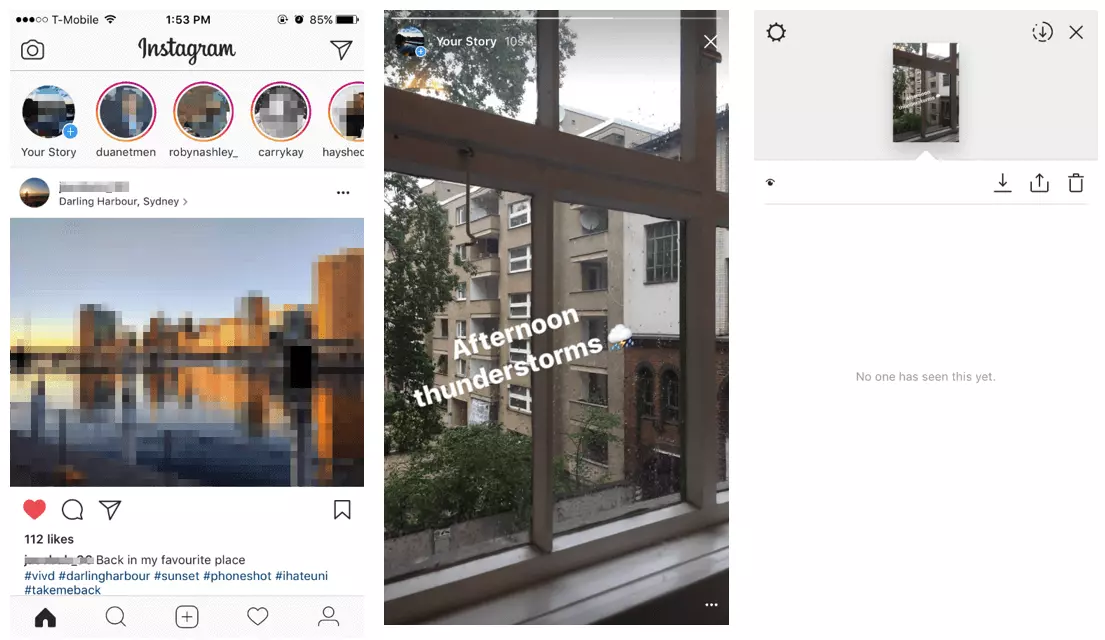
Users can find the story function on the app’s home screen. This feature is only available through the app and not in the web view. If a user has a story currently uploaded, his or her profile picture will be highlighted with a circle. You can view this story by clicking on the circle. Instagram stories can be a single image or video or multiple ones. Upon opening the story, the app displays all currently existing images and videos one after the other. The app then automatically jumps to the next available story unless the user exits the story feature. When you create an Instagram story, it will automatically appear at the top of your followers’ feed and may even appear in the ‘Discover’ section of related accounts.
How do you make a story?
In the upper left-hand corner of your Instagram feed, you will find a plus sign (+). Click on this to open the camera function. You can also get here by swiping right across the screen from the newsfeed. In the camera window, you can either take a picture or video or upload an image already stored on your device (as long as it is less than 24 hours old). A limited range of filters is also available for editing the image or video. There are also some familiar text and paint tools that can be used for personalizing the image.
After your story has been viewed at least once, you can analyze your statistics by opening your story and swiping up to see how many people have looked at your story.

Instagram stories for marketers
As well as the limited availability of 24 hours, there’s one other big difference between stories and regular posts — while posts that appear in your newsfeed are usually structured and perfectly edited, stories have a far more spontaneous feel. Thanks to the fleeting nature of the story posts, users can post more often without flooding their followers' feeds.
In contrast to perfectly staged, optimized, and edited news feed content, Instagram stories are not made to be perfect. For example, companies can use stories to give their followers a glimpse ‘behind the scenes’. This strengthens customer loyalty, as you communicate on their level and give a more unfiltered insight into the company's everyday life. Product manufacturers can give insights into the production process, agencies might give followers a tour through the office. Whatever your industry, it’s important to always keep your finger on the pulse and remain relevant.
Analyzing your stats: Instagram analytics
It’s always best to think your strategy through properly before posting with wild abandon. However, even with the most carefully structured plan and all the relevant facts and research, there’s still no guarantee of success. As in any other area of marketing, a strategy with either take off or flop. To avoid failure, you need to know why your plan is working or not working. That’s why analyzing your progress on Instagram is vital. Until quite recently, it was only possible to gain insight about your followers and the performance of your posts via a third-party provider but now a built-in analytics function is available. For more information on this topic, check our detailed article on Instagram Analysis Tools.