The best Instagram alternatives: Social networks for hobby photographers

Instagram is the picture network par excellence. Nowhere else can smartphone photographers share snapshots of their lives with the public so quickly and easily. In addition, the Android, iOS, and web application app is the absolute number one for businesses and influencers when it comes to interactions.
But Instagram can also be a source of frustration for some. Maybe aiming for new followers is causing you anxiety, or you find that before the new timeline algorithm everything was somehow more user-friendly. If you decide to delete your Instagram account, you don’t have to say goodbye to social photo-sharing forever. Here are some alternatives to Instagram that are worth more than just a look.
Tumblr: Blogger network with a wide audience
Together with Reddit and 4chan, Tumblr is regarded as a melting pot of the modern internet, where many online trends and memes kicked off. Tumblr focuses on blogs (keyword: microblogging) that can be completely individualized and in part highly specialized on all conceivable topics. The mood of the posts ranges from serious to funny. Almost 335 million users (as of April 2017) already have their own blog on Tumblr, a good alternative to Instagram.
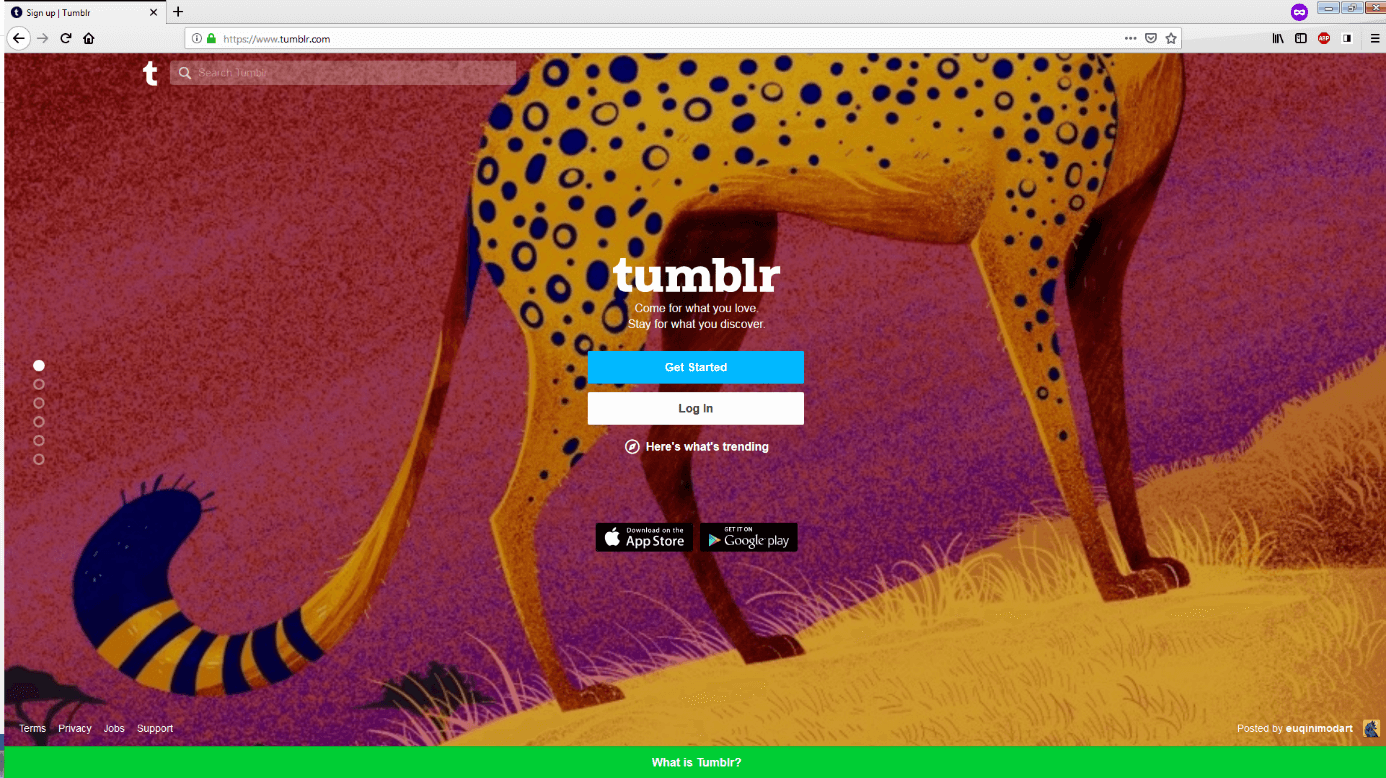
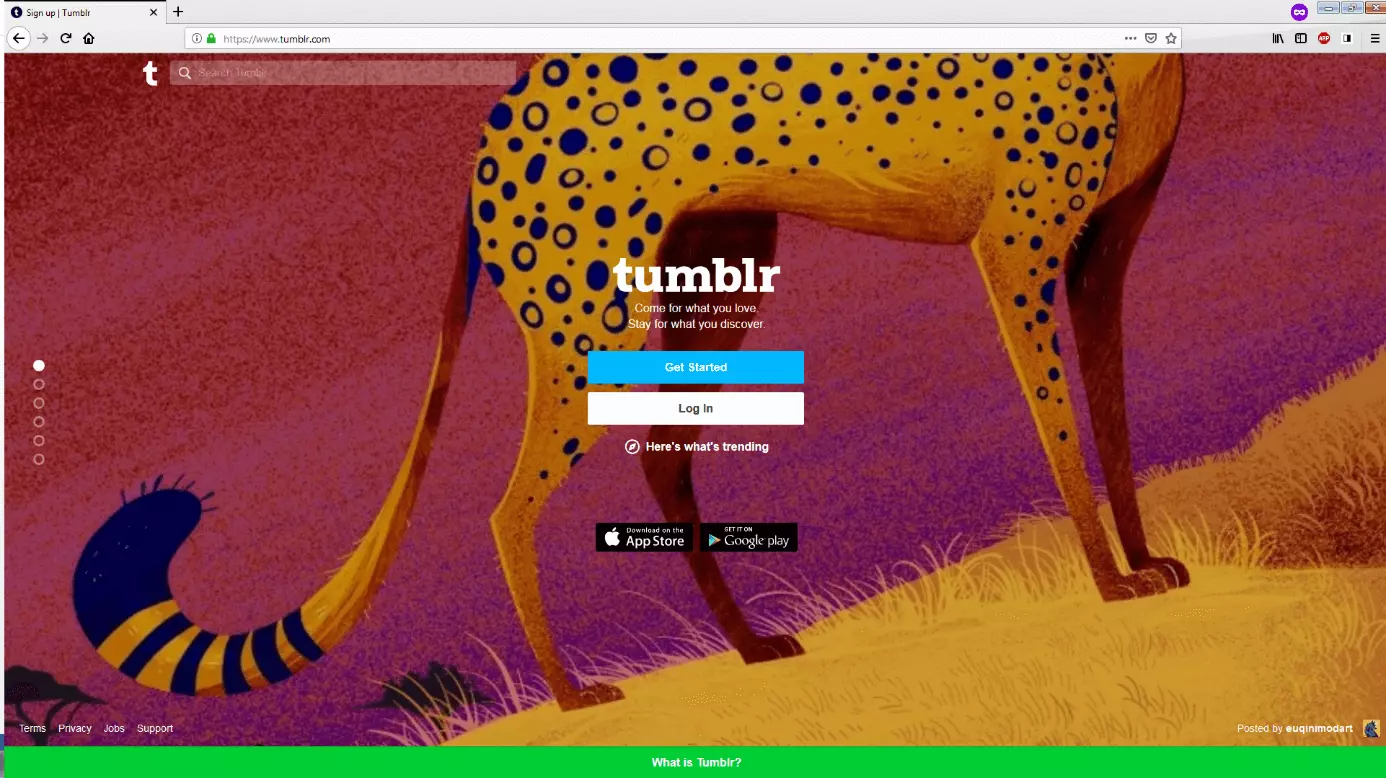
When scrolling through Tumblr’s search results, you’ll notice a clear tendency towards images and animated GIFs, which are automatically played back when called up. Each blog can also be displayed as a practical "archive" overview, allowing individual posts to be accessed directly. Apart from that, you can also share texts, videos, live broadcasts, and even audio files on the network. As with Instagram, hashtags alert other users to their content and allow them to add blogs to their dashboard (Tumblr’s timeline) as favorites to keep abreast of new posts.
“Reblogging” is of particular importance. There are even some blogs on Tumblr that concentrate exclusively on gathering images on a certain topic. In this way, popular content swirls through the community at extreme speed and spreads far beyond. However, the precarious copyright situation should be taken into account. In order to surf the platform to your heart’s content, you don’t have to be a blogger: When you have a blog on this Instagram alternative platform, you can simply enjoy the content without interacting with it.
Pinterest: Inspiration boards gone digital
Pinterest is often directly compared to Instagram, but the two services are very different in many ways. Pinterest is less about simply consuming and liking images. Instead, Pinterest images serve as inspiration. Whether traveling, cooking, furnishing, styling, or “do it yourself” projects – if you are looking for original and realizable ideas on one or all of these topics, log in to Pinterest and indicate your interests. From this, the app automatically creates a personal pin board with suggestions from the individual areas.
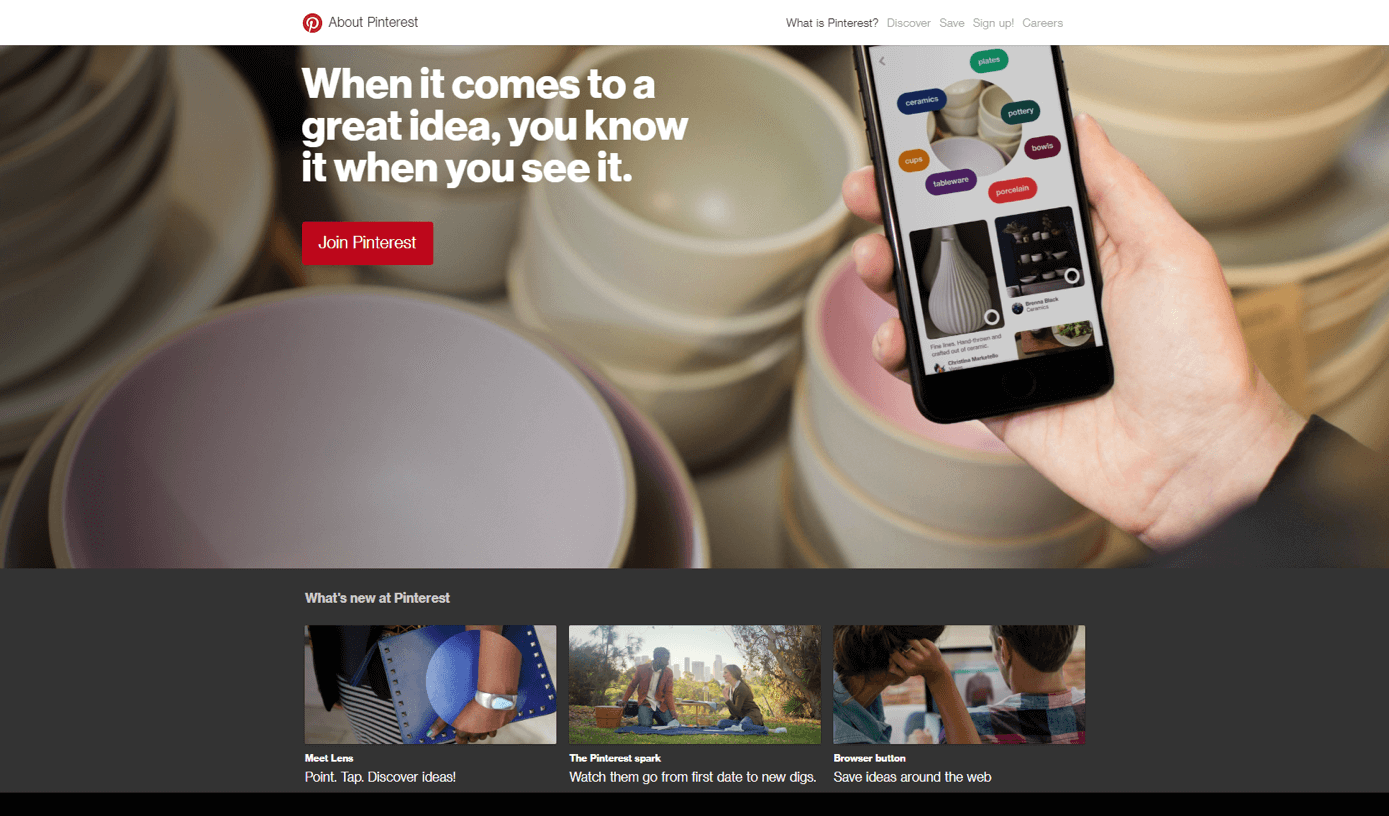
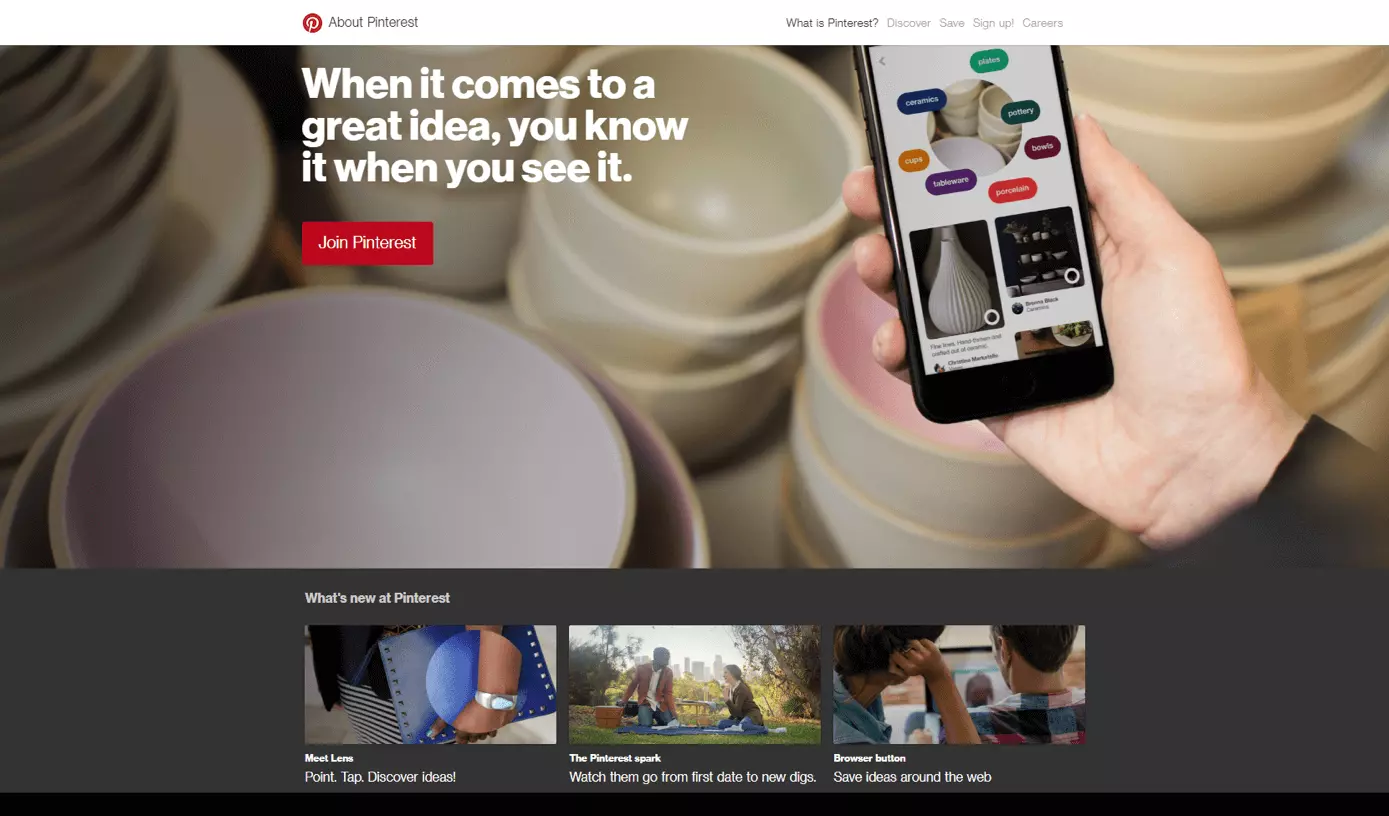
As in real life, the virtual pin board serves as a collection point for ideas, recipes, and instructions, presented in pictures rather than as text or video. This content can be found via pins (the Pinterest version of hashtags) and stored in theme-based galleries. Images can even be pinned directly from external websites. All you have to do is enter the URL; the app automatically displays all available content to save – if you used Instagram for lifestyle tips and tricks, this may be the Instagram alternative you want.
However, Pinterest does not offer filters and photo effects, as is the case with Instagram. Pictures should already be edited to a high quality before they are uploaded to the platform. This focus on quality and professionalism offers numerous starting points for companies who want to present their content and products on Pinterest in a sales-promoting way. Many images are therefore linked to online shops: Customers click on an interesting piece of furniture or a fancy styling idea, go directly to the provider’s website, generate traffic, and perhaps even make a spontaneous purchase. Pinterest is constantly expanding the possibilities for advertisers – for example with an influencer marketing program and functions for a more targeted user approach.
Flickr: The base for photography enthusiasts
The Flickr online service allows you to edit digital and digitized images and videos in real time and share them with a small group of people or a large audience. Other users can browse their own image assortment and comment, rate, and recommend it – a good alternative to Instagram for photographers. Using keywords, photos can be divided into certain categories, making it easier to find them.
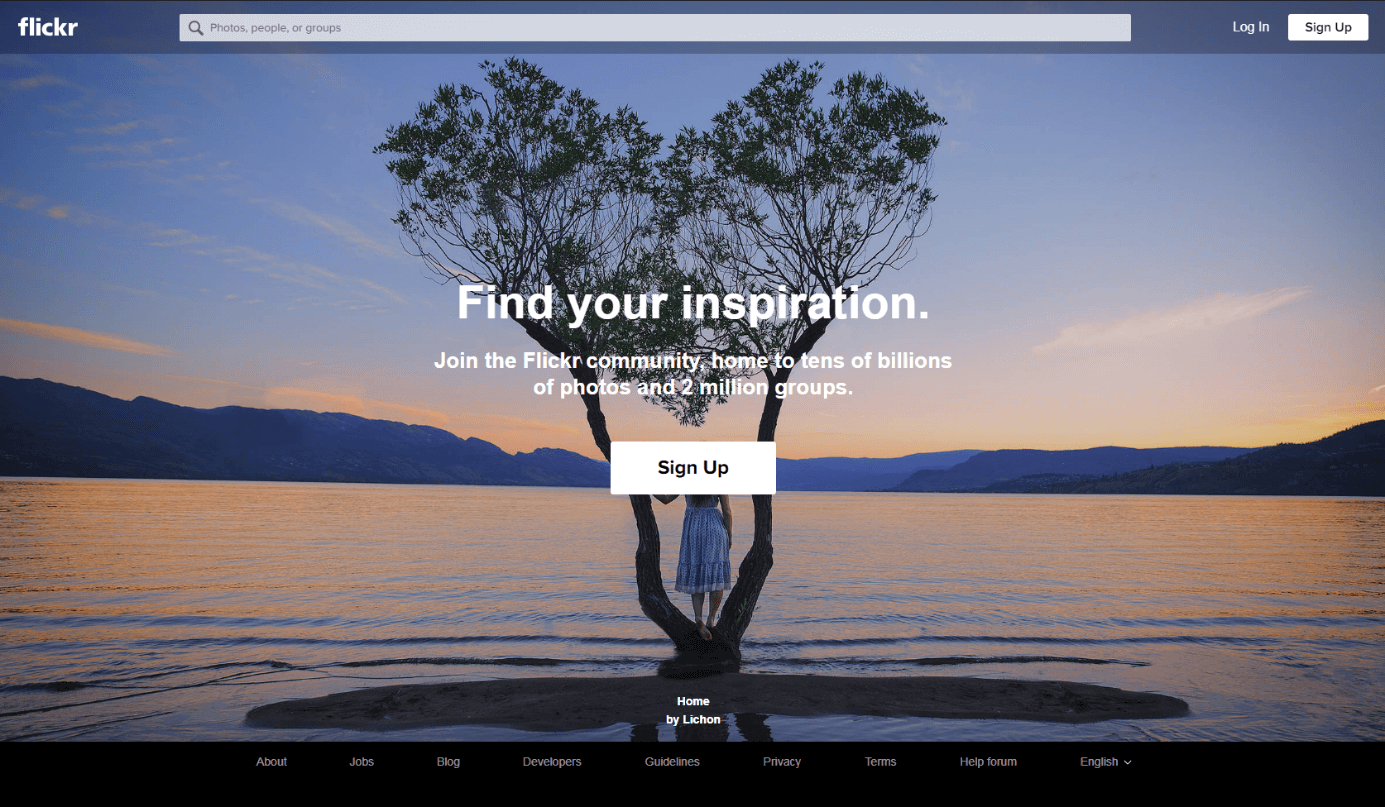
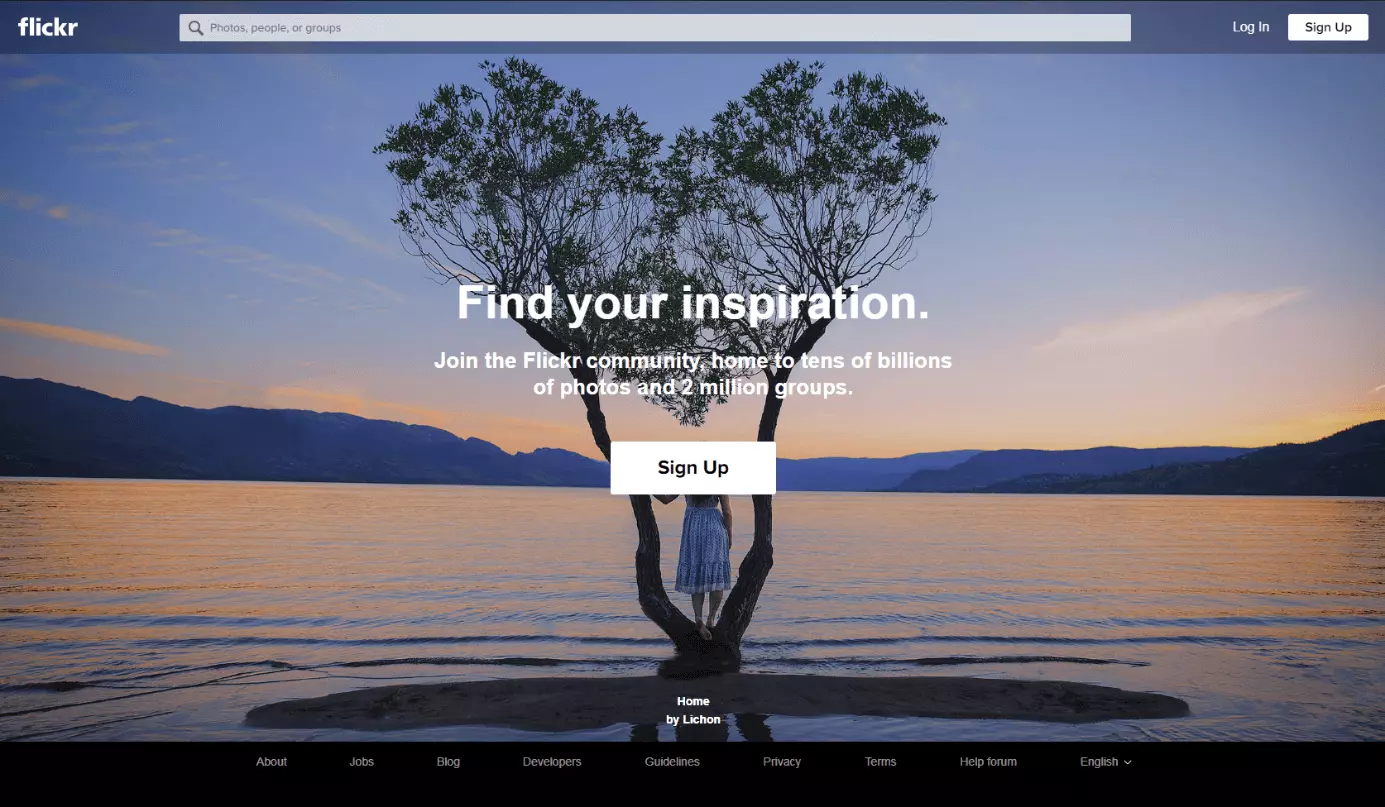
This is especially useful when you are looking for visual material for your next design project. Many photos uploaded to the platform are in the public domain or released for further processing and commercial use under different Creative Commons licenses (this is explicitly stated for each image). And the selection is impressive, because Flickr is a meeting place for real photo enthusiasts who have a real passion for their craft and don’t just want to post spontaneous smartphone snapshots. Special attention is paid to the technical aspect of photography. You can also upload your visual works with all the associated camera data, giving other users an insight into your working methods.
However, the new app owner SmugMug, who wants to limit the platform’s free cloud storage from 1 TB to only 1,000 photos and videos from January 2019, has received criticism. For an ad-free Pro-Account with unlimited storage space as well as extended functions, you have to pay about 50 US dollars (approx. 44 euros) per year.
EyeEm: The picture marketplace
Editing images in real time and sharing them with the community – the app of the Berlin-based start-up EyeEm (pronounced as “I am”) is very similar to other photo networks, but has a few of its own cutting-edge features. The app makes it possible to sell photos to picture agencies such as Getty Images via the EyeEm marketplace. After a few highs and lows, the app has become a celebrated picture marketplace with over 100 million photos from two million users. EyeEm has a total of 22 million users (as of November 2018), and is therefore a big community alternative to Instagram.
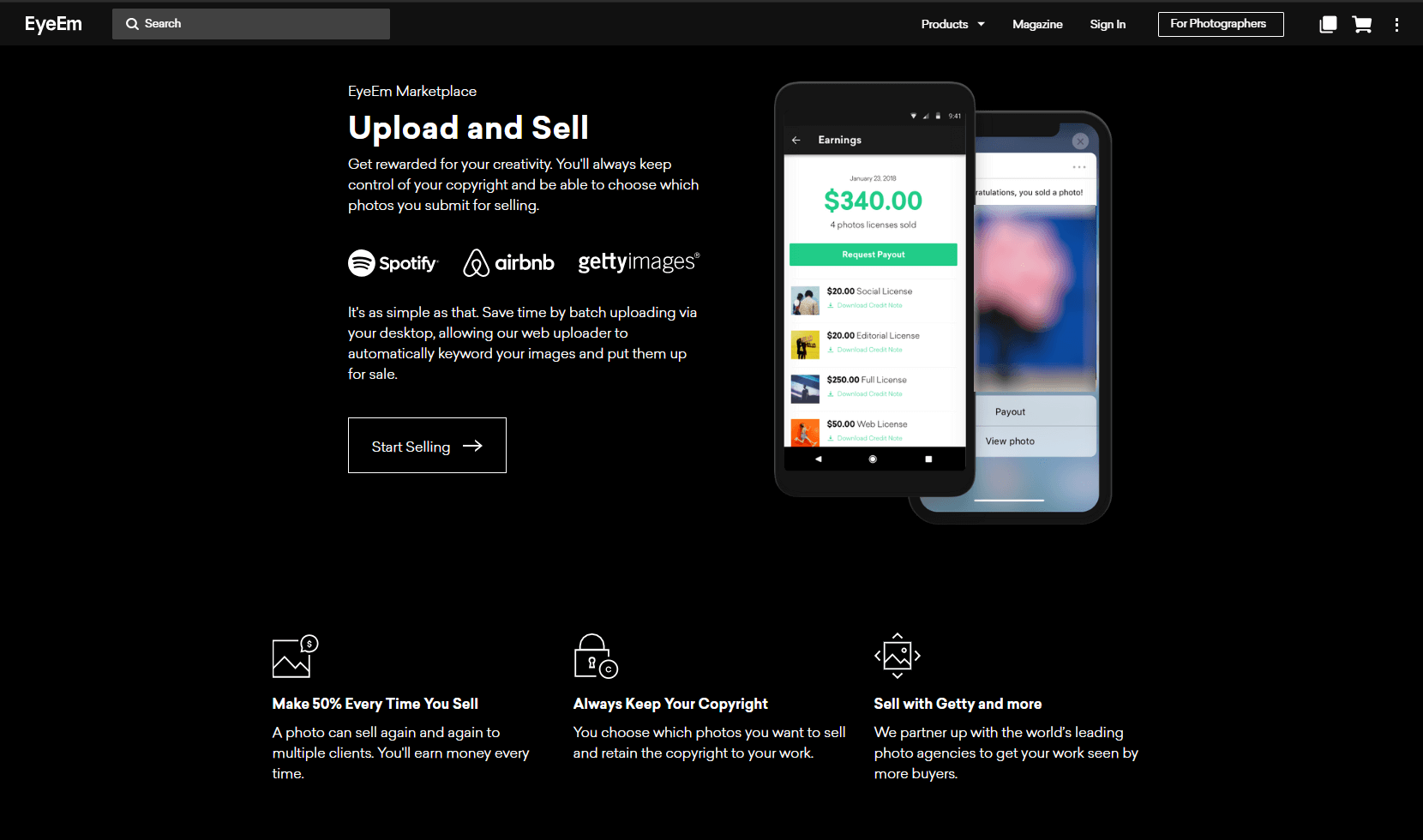
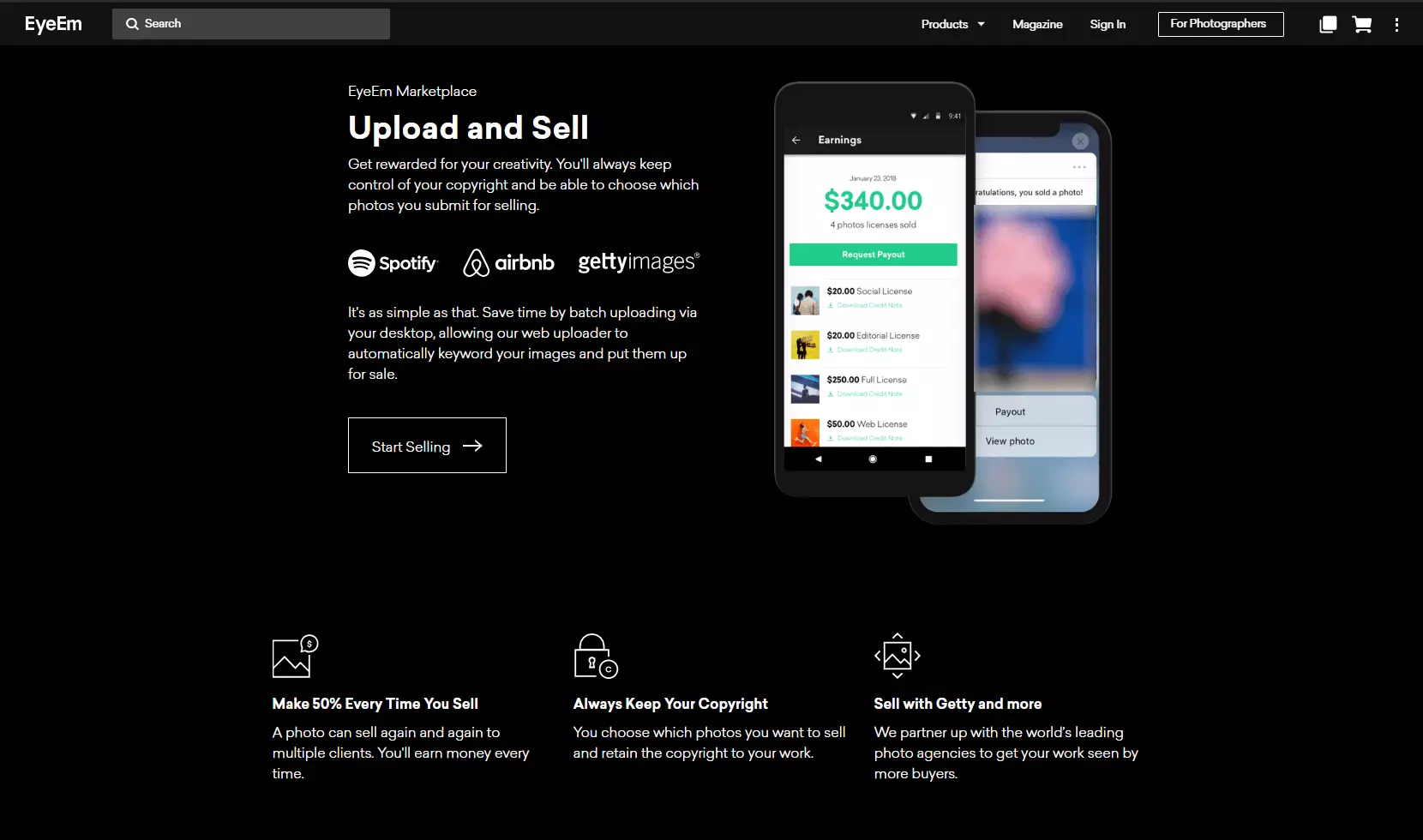
The offered standard licenses for the worldwide digital use of an image costs 20 US dollars (approx. 18 euros), but depending on the requirements the prices can also rise to 50 (approx. 44 euros) or 250 US dollars (approx. 220 euros). With a guaranteed commission of 50 percent of the sales price as well as weekly motif tasks (called “EyeEm Missions”), the developers motivate their users to create high-quality photos on topics such as nature, people, or travel. In other words, you’ll rarely find bubbly fashion bloggers making the duckface in this community.
EyeEm’s intelligent image recognition software called “The Roll” helps to select the best photos for sale by automatically sorting the smartphone gallery by topic and relevance, while providing technical data such as shutter speed, aperture, and ISO value. EyeEm’s main customers are product manufacturers as well as television stations and publishing houses, prominent examples include Lufthansa, Airbnb, and the Huffington Post. This places the image marketplace in direct competition with stock photo providers such as Fotolia – a real alternative to the influencer’s business model.
Vero: An ambitious platform
Vero has been around since 2015, but so far it has been regarded more as an insider tip. This changed at the beginning of 2018: When several influencers set up an account with the – up until then – largely unknown photo network, the number of users suddenly rose to one million – and even led to service failures due to the rapidly increasing traffic. The network uses hashtags, has a message function, and allows content to be shared only with selected user groups.
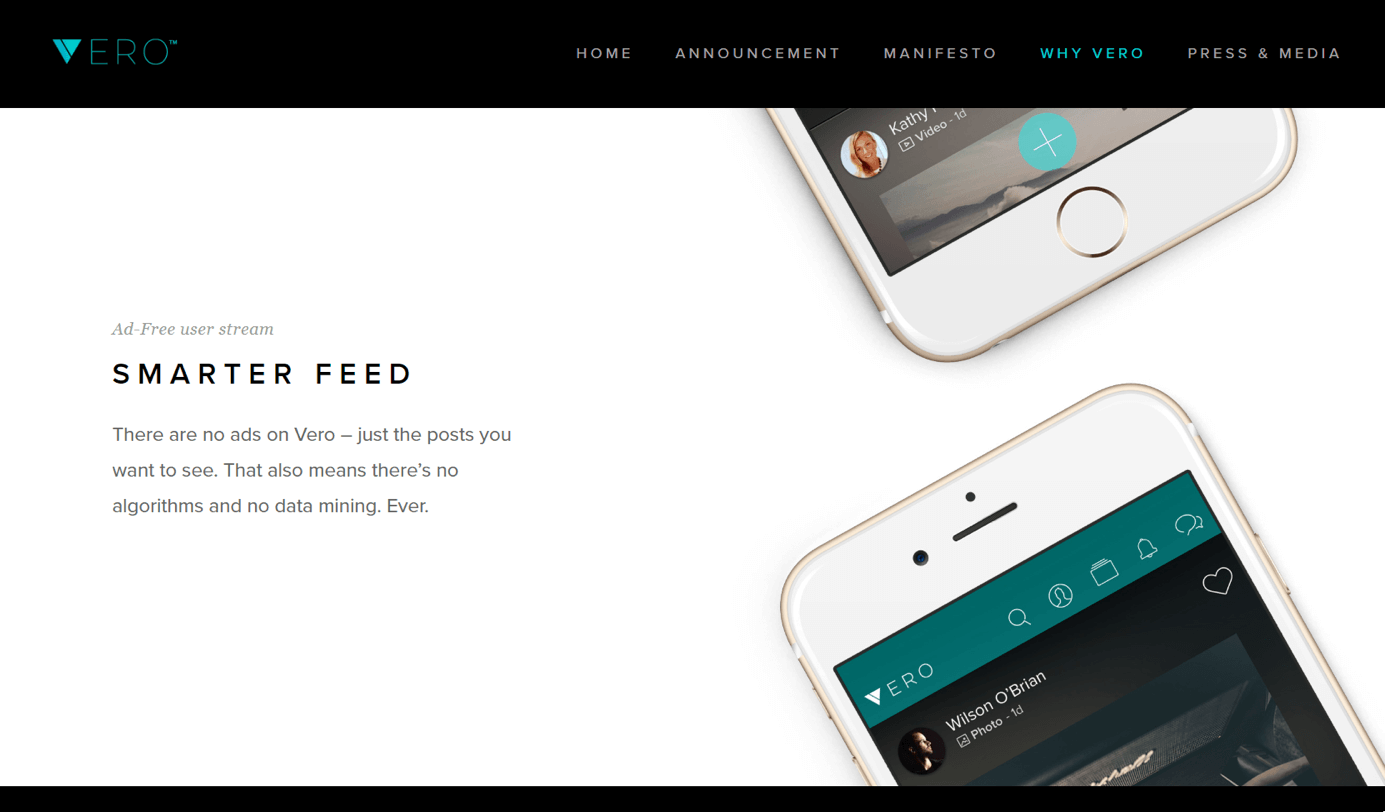
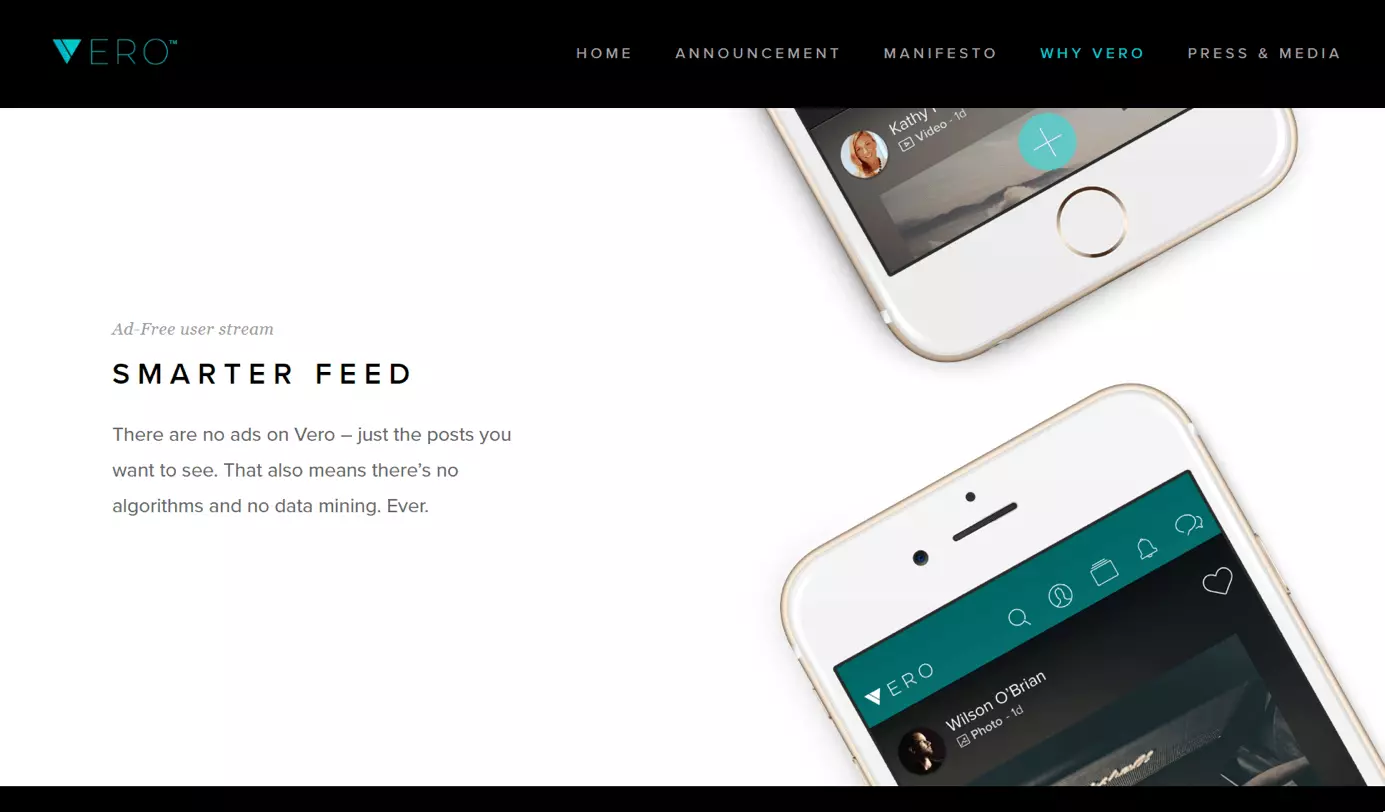
The influencers were probably attracted by the developers’ vision of offering Vero as a real alternative to the top dog Instagram and other long-established social media platforms: According to the name (“Vero” is Italian for “truth”) and the slogan “True Social”, the aim is to take a head-on approach to the abuses typical of the industry. This means: no advertising, no user data collection, and no annoying algorithm to pre-curate content. This promise has led to Vero already being traded as “the next Instagram” in some places. But can the app do justice to this claim?
The fact is that even the big social networks like Facebook and Twitter were free of advertising and algorithms at the beginning. Another hypocritical criticism is that when registering a new account you have to provide your telephone number. In addition, Vero will not remain freely accessible forever: Paid, albeit inexpensive, subscriptions may ensure the financing of the app in the future. In view of the prevailing technical problems, the developers have decided to extend their “Free for Life” offer, which should actually only apply to the first million users, until further notice. So it’s worth jumping on the bandwagon now and perhaps becoming the early adopter of a new, up-and-coming photo network.
The five best Instagram alternatives in comparison
The following overview summarizes all similarities and differences between the five best alternatives to Instagram:
| Tumblr | Flickr | EyeEm | Vero | |||
| Founded | 2010 | 2007 | 2010 | 2004 | 2011 | 2015 |
| Owned by | Yahoo! | Cold Brew Labs, Inc. | SmugMug | EyeEm | Vero Labs, Inc. | |
| Users | 1 bn (06/2018) | 335 m (04/2017) | 250 m (09/2018) | 90 m (09/2018) | 22 m (11/2018) | 1 m (02/2018) |
| Storage | Unlimited | Unlimited | Unlimited | 1.000 photos/videos (Pro account with unlimited memory costs approx. 50 USD/year) | Unlimited | Unlimited |
| Ads? | ✓ | ✓ | ✓ | ✓ | ✗ | ✗ |
| Free? | ✓ | ✓ | ✓ | ✓ | ✓ | ✓ (For the time being; in the future: paid subscriptions) |
| Web app? | ✓ | ✓ | ✓ | ✓ | ✓ | ✓ |
| Android version? | ✓ | ✓ | ✓ | ✓ | ✓ | ✓ |
| iOS version? | ✓ | ✓ | ✓ | ✓ | ✓ | ✓ |