
8 tips for success with Facebook marketing

Gone are the days when marketing mixes were able to bear fruit without the aid of social media. And no other network is able to fuse aspects like brand building, customer loyalty, and reputation management so effectively like Facebook. One of the factors that explains Facebook’s success in this sector is its extensive coverage of many different demographics, which in turn offers the social network many different options for advertising. But not just any blind approach will do: in order to truly profit from Facebook as a marketing tool, campaigns need to be thoughtfully planned and carried out. We’ve put together eight of the best Facebook marketing tips that will help you optimize your advertising presence:
1. The nuts and bolts of Facebook marketing
The true key to success for marketing on Facebook is a professional Facebook fan page. Setting up a page is a process that is best not done too hastily. First and foremost, make sure that all of your company’s or business’ appropriate information has been made available. In addition to the location and opening times, aspects like the product range or your company story may be of particular interest to some visitors. A filled out profile complete with relevant background information and high quality photos makes your site appear more reputable and leaves viewers with a good first impression. Profile and title images are of especially great importance and should be fitted with proper resolution and size.

2. Weaving a web
If incorporating Facebook into your online marketing mix is your wish, then aiming for synergy by ensuring that all the advertising channels are in sync should be your goal. This means making sure that all channels have been properly linked; a reference to the company’s main web presence is also absolutely crucial. Following these steps generates social signals, which are of great significance for search engines like Google and furthermore aid in search engine optimization efforts. Active comments and a bustling share counter suggests relevance–both to Google as well as site visitors. Content needs to be easy and quick to share and should always inform users which social media platform is at play. Some of the most common measures are:
- share buttons (social plugins)
- links to individual channels via buttons
- Facebook page plugins
- RSS Feeds and bookmarking services

3. Mind the mobile
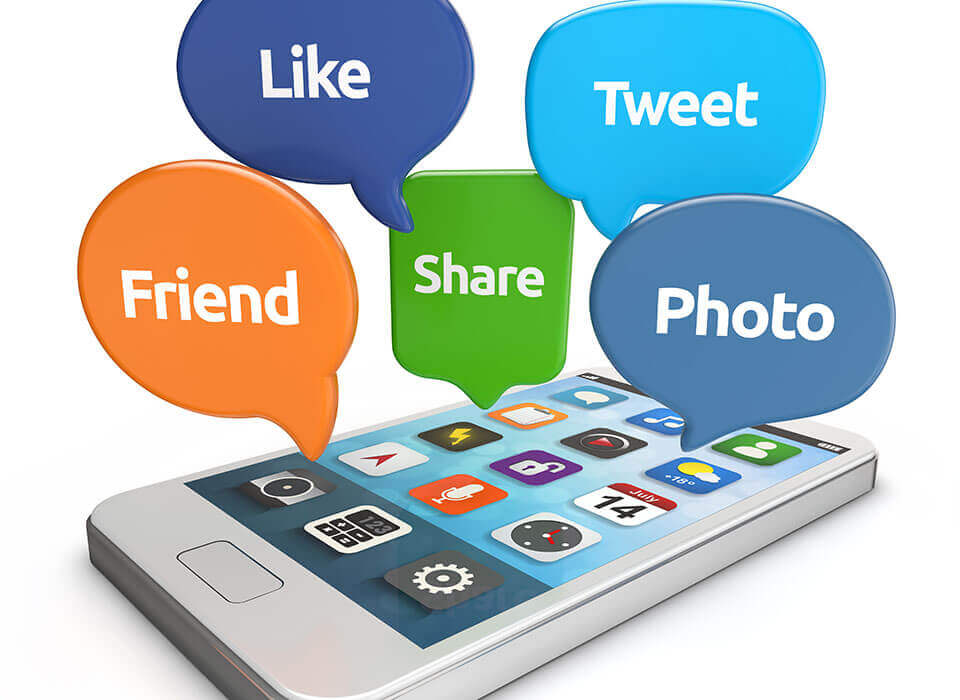
According to up-to-date figures, Facebook currently has roughly 1.6 billion active users. Over half of these access Facebook exclusively via their mobile devices. Aside from demonstrating the social network’s incredible reach, these numbers further highlight the importance of mobile optimization for social media, and ensuring high quality layouts and photos is the first step. Facebook provides tips on dimension specs for profile and cover pictures. Once you have ensured that all pictures have been optimally laid out, the next step is to check that your texts and background images are of appropriate length and dimension. As is the case with most media forms today, mobile users have a very limited attention span, with the general user approach here being: scroll on if the content isn’t attention grabbing or immediately satisfying. Following this rule of thumb, all posts should aim to be as succinct as possible and incorporate appealing imagery.
4. Boosting fan engagement
What determines the success of a fan page? Is it the number of likes? Not exactly. This is due to the fact that getting ‘likes’ only boosts a fan page’s presence when those users are actually active. Unorthodox Facebook marketing practices, like purchasing Facebook likes, therefore are of no help. Instead, your goal should be to court as many fans as possible and, at the same time, motivate them to interact with your content and each other. The best way of increasing your fans’ engagement rates is to always provide interesting and, above all, relevant content. Keeping an eye on current trends in your fan community and reacting quickly to internal changes is rewarded by an increase of fans and a broader overall advertising reach.
5. Communication and interaction
Having your own Facebook page proves an ideal outlet for sharing information and news about your company or business, but there is more to operating an effective fan page than merely shelling out post upon post about relevant updates. Responding to requests and creating dialog not only adds value for Facebook users: it also strengthens customer loyalty. Increasing interaction with fans can also be achieved through surveys or online sweepstakes. And including fans into the decision making process not only builds trust, it helps provide valuable information on what customers expect from your business.
6. The right timing
Essentially, Facebook marketing is a 24/7 operation. But thanks to a host of practical social media management tools that are able to time the publication of posts, those in charge of social media are spared from being glued to their computer monitors around the clock. Proper timing is key when it comes to devising a useful Facebook marketing scheme. In order to achieve the maximum visibility, posts should be made public at times when the highest number of fans are online. Consistency also plays an important role: abandoned pages that are no longer kept up-to-date deliver an unprofessional and disorganized appearance. Empirically established figures and studies can also aid in your optimization endeavors. Those looking for extra assurance can employ the help of useful tools, like Fanpage Karma.


7. Videos are the new selfie
Implementing the use of videos on Facebook is a task worth carrying out due in part to the introduction of Facebook’s new video player (this also includes the auto play function). Videos also assist in creating an emotional connection to their viewers and help carve out a more professional representation of products and services on offer. This additional content in turn generates more attention among target groups and provides fertile ground for viral video hits, recent examples being the Ice Bucket Challenge or the Harlem Shake.
8. Advertising with Facebook
If unable to reach the desired number of fans through organic measures, then paid advertising methods also remain viable options on Facebook. With the help of Facebook ads, businesses, and companies alike are able to home in on specific target groups and ease in individual content into their field of view. Popular means for such advertising include page ‘like ads’ or ‘page post ads’. Additional information on that matter can be found in our digital guide series here.
Opting for the right marketing mix
Facebook is a highly influential platform and has the power to substantially increase your company or businesses’ reach. It’s important to remember, however, that social media marketing in general should be a component of a broader marketing mix. As is the case with other social networks, this reach is only ‘on lend’, as it is Facebook, and not you or your marketing team that really calls the shots in this game.