10 tips on how to become an influencer

Influencers make money by promoting themselves and offering their digital presence as a marketing platform to brands. To get started with influencer marketing you should pin down a topic that suits you and select a suitable social platform. Once you’re all set, you can expand your online presence, gain followers, and begin collaborating with brands.
There is some prejudice that being an influencer is not a lot of work. Nothing could be further from the truth, being an influencer is a full-time job. Content production and self-promotion doesn’t just require a high level of productivity, but also a good understanding of current affairs, trends, and of course marketing strategies. You need to be willing to learn new skills and develop a certain level of emotional and social competence. Be prepared to become the center of attention and learn as much as possible to start your influencer career.
In many countries, influencers must label adverts or commercial content as such. There may be fines in the event of suspected surreptitious advertising. However, in the case of influencer advertising the boundaries between a personal recommendation and advertising are somewhat blurry. It may not always be possible to clearly identify what can be classified as commercial or not.
How to find your influencer niche and what are some favored topics?
The first step to becoming an influencer is to find your strengths and interests. Do you have a skill that may attract attention? Perhaps you like to take pictures, write, or communicate. Or maybe you’re an expert in a specific topic. Use this discovery process as an opportunity to find out what you’d like to create content for.
Working with content you actually like making boosts personal enjoyment and authenticity. But beware, plenty of people hope to turn their hobby into a career by becoming an influencer. As soon as reality sets in and day-to-day obligations pile up, many change their mind. Carefully consider whether your strengths and interests will keep you motivated in a professional context in the long run.
Another way to find your influencer niche is by analyzing your competition. Check out posts by other influencers including micro influencers and try to identify a gap in the market. Are you missing specific information? Is there an opportunity in terms of how content is presented? Are certain groups underrepresented? Best case scenario is that you'll discover a unique selling proposition. Two of the most popular topics among influencers on Instagram are fashion and food, for example.
Which social media channels are promising?
Once you’ve discovered your niche, it’s all about finding the right platform. How you present your content will vary depending on which one you choose. Social networks that enjoy great popularity in the influencer business include Facebook, Instagram, YouTube, Snapchat, Twitter, and Pinterest.
To begin with it’s a good idea to commit to a single platform and focus on it. Spreading your attention and effort across a variety of platforms can diminish the quality of your content. Bear in mind that the functionality of platforms differs as well.
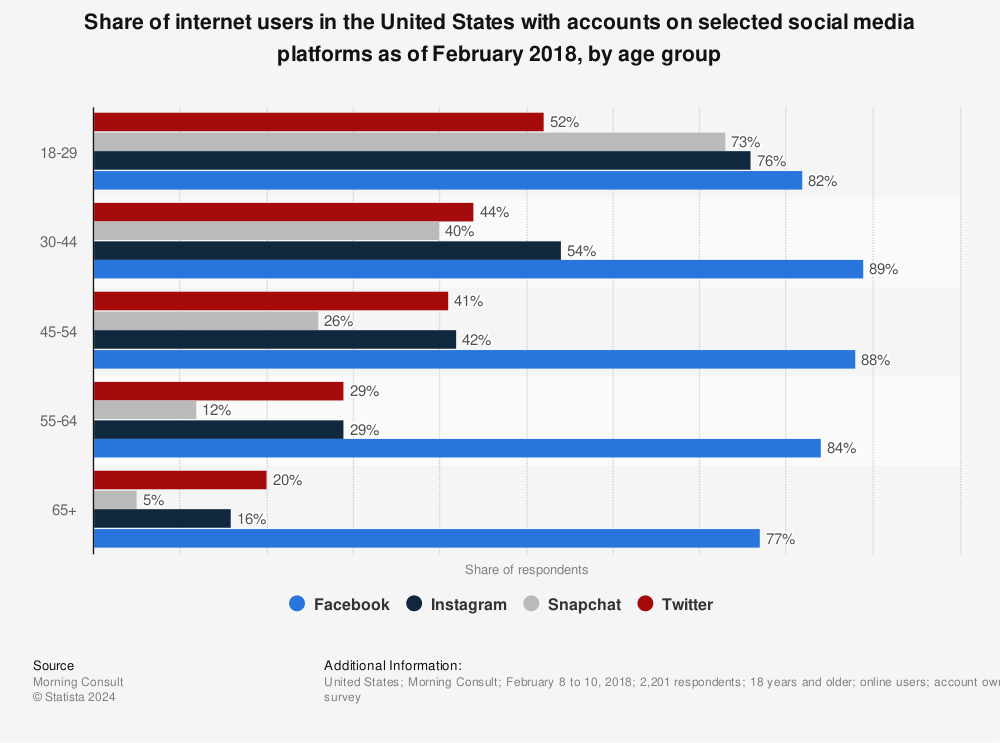
When making a selection, ask yourself what medium you prefer to work with, photo, video, or audio, for example. Do you enjoy shooting longer videos? In that case, consider YouTube and its alternatives. Or do you prefer a mixture of photo and video content? Apps like Instagram are perfect for this. The choice of social network should consider your influencer topic and target audience. Instagram, for example, is popular among younger generations, while Facebook is favored by the middle-aged.
How to gain followers?
Next you’ll want to reach and gain followers. First, identify your target audience, the people your content is intended for. For example, the target audience of a blog on fantasy literature will be fans of the genre. Depending on the nature of your content, it should attract relevant age groups, genders and co. Understanding your audience is not just important for marketing, but also for being able to react more effectively to corresponding trends in your area of expertise.
Ideally, you’re part of your target group. This means you should also follow influencers who are already firmly established within your target audience. When you pick up on emerging trends that are being amplified by other influencers, your posts will gain in relevance. But avoid simply copying existing trends. Add your own spin and new aspects to it. This way, you’ll stand out and your channel will be perceived as more valuable.
To grow your follower base you should produce and share content regularly. Recommend it to other users with similar interests and wider reach. This could boost your chances of your content being redistributed and going viral. Advertising it to your acquaintances can have a positive impact, as long as you do it in moderation. Use feedback from others to optimize your online presence and boost attention.
How to maintain and grow your follower base?
Once you've built a solid follower base, it’s important to maintain and expand it. From this point on, it's all about consistently delivering content while engaging in regular dialogue with followers. You could actively participate in discussion threads or subscribe to the profiles of select followers to get a better idea of the people you follow and expand your network.
As an influencer, you form the core of a community that regularly delivers content, but at the same time you should convey accessibility and closeness. Unlike traditional media such as newspapers and television, you need to present dynamic and interactive content. Your posts don’t appear on a strict schedule, nor are they separate from you as a person. Influencers tend to be hybrids of celebrities, journalists, and friends. Stick to the following principle: more approachable than a celebrity, more authentic than an advertising figure, more professional than a friend.
Why and how to network with other influencers?
To improve your chances of success, reach out and build relationships with other influencers. Even though they may be your competitors, always strive for a friendly or business relationship with others. Mutual support and collaboration can bring together different groups of followers. Collaboration is also great for expanding your personal network and knowledge base, such as content production techniques.
Network with other influencers, for example, by attending influencer events. You can also try to expand your network online by liking, sharing, and texting. But focus on people with smaller accounts. The biggest influencers receive thousands of messages each day and are hard to reach. No matter whom you’re speaking to always remain polite, friendly, and honest.
How to promote yourself?
Self-promotion is a skill that requires talent, experience and expertise. Once you've managed to establish yourself as an influencer and specialize in a particular subject, you can look at commercializing some of your content. Because initially your reach is likely to be limited, it makes sense to approach smaller companies or brands. Over time, and depending on the growth of your channel, you could target larger brands.
Successful influencers tend to be contacted by businesses and brands. Most deals are initially small. Brands may ship free products to be trialed and integrated into content. Depending on reach, brands may then offer sponsorship deals for a monetary fee. To this end, marketers do not follow tight guidelines such as a minimum number of followers.
The level of reach at which an influencer may qualify for an advertising contract depends on their field, the competition, their main platform, and an individual assessment of their persona. Online marketers often invest in influencers arbitrarily, based on subjective speculation. If someone in the industry sees great potential in you, you may have short-term success. Similarly, you may be ignored despite considerable reach.
How regularly should you publish content?
To become successful as an influencer, you need to regularly appear in your followers’ feeds. It’s recommended to publish content at short intervals without spamming users for optimal content flow.
But the frequency at which you should publish content depends on your topic, platform, and target group. Influencers on Instagram share new posts or Stories at least once a day, while YouTube influencers release new videos two to three times a week. The frequency also depends on how much attention your content demands, how "snackable" the content is. Through trial and error you can find a middle ground between too little content and information overload.
To get content flow just right, you can analyze your target group. Plan your type of content depending on the average follower’s attention span. Say you want to publish a podcast that is primarily aimed at young professionals. Your broadcast shouldn’t exceed 30 minutes because this particular audience tends to listen to podcasts on their commute or during lunch breaks. Always put yourself in the shoes of your consumers.
How to expand your influence?
Growth is one of the essential principles in our economy. It should be an important consideration for you as an influencer. Yes, there should be a point when you’re satisfied with the number of followers you reach. But many influencers consistently strive to expand their reach. To succeed they tend to apply these strategies:
- Use other platforms: Despite overlap, there are many people who are only active on a limited number of platforms. Once you’re all set, it could make sense to share your content on many different social networks.
- Manage official social media profiles: Inform people of the content you offer on your main platform through posts, tweets, etc. to get likes and shares. Depending on your field, it could make sense to engage with Reddit and link your content to a suitable subreddit.
- Explore other topics: You don't need to limit yourself to a single topic. Fields of expertise can be combined to tap into new target groups, e.g. fitness and sportswear.
- Cooperate with other influencers: Partner with other influencers on projects to expand your reach and get new followers.
How to make money as an influencer?
Influencers have several options to make money on platforms like Instagram. Many influencers generate cash through affiliate links, embedded ads, or sponsored posts. Subscription-based platforms such as Patreon are also useful. Generally, the better known an influencer is, the higher their income.
If you regularly publish content, you could even set up a crowdfunding campaign to generate additional income. In return, you could offer supporters access to exclusive content or rewards of a non-material (e.g. mention in a video) or material nature (e.g. merchandise and sponsored products). Don't underestimate the effort involved in crowdfunding campaigns. Payment creates an increased expectation and requires more intensive interaction with your community.
Read more on Crowdfunding and how it works in our dedicated article. And explore the most common crowdfunding platforms.
How to establish your own brand?
To build your own brand as an influencer, you’d usually need a certain reach and an established online presence. However, you can make a start with your own brand before then. It’s best to check whether the matching domain and mail address name are available to match your social media channel even before you set up your channels and brand.
Most influencers who establish themselves through personal branding tend already work with companies for advertising purposes long before. Such collaborations can lead to the collective creation of a new brand, which the influencer becomes the face for.
Other options to get your brand off the ground is to consult a creative or advertising agency for advice on your plans. Create a business plan that serves as a roadmap and helps not to lose sight of your goals. A good business plan starts by defining your personal image all the way through to establishing your own brand.