

Netiquette: What you need to know for discussions online

Hate and insults everywhere? It might be easy to get the impression that disparaging remarks are the norm on the internet, but most users are looking for civil interactions. Since the early days of the internet, the term “netiquette” has been used to remind people to stay polite in online discussions. Anyone who doesn’t comply with these basic rules of politeness will be removed from the discussion or at least given a warning.
Keep reading to find out which rules are included in netiquette, what its origins are, and which dos and don’ts you should know about.
Definition: What is netiquette?
The word “netiquette” comes from a combination of “net” and “etiquette”. It refers to certain rules of civil behavior for online discussions. You could say it’s a kind of Emily Post for the online world.
In offline interactions, there are certain manners that have established themselves as polite and friendly: When greeting a formal contact, you shake hands with them. If someone walks inside behind you, you hold the door open for them. There are also similar unwritten rules for online communication.
Netiquette is of course not a legally binding set of rules. You don’t have to worry about legal consequences for breaking it, with one exception: If you commit a crime online, for example inciting violence, then you should expect to be charged with this crime - regardless of what the relevant netiquette is in an online community.
And lastly, there’s no one set of rules that serves as the be-all and end-all of netiquette. The rules that are relevant in any online forum, comment section, or social media group are determined by the moderators or operators.
The origins: How did netiquette come to be?
In its early days, the internet was mostly filled with IT people who communicated in forums and on mailing lists. It was clear to them how the internet works and which information can be read by whom. For example, it was obvious to them that emails are just as public as a postcard.
Once the internet started being used by ever more people outside of the IT scene, it could no longer be taken for granted that everyone shared the same pool of knowledge. So how does one communicate online, not just regarding the technology, but also regarding content? Netiquette arose to give laypeople some guidelines for their behavior.
In its early years, netiquette comprised not only the collection of rules for behavior but also information on data security and data protection. One of the older netiquette documents is RFC 1855, which contained tips on discussion culture in online forums as well as information on how to handle copyrighted content and chain emails.
Today the concept of netiquette has developed beyond its roots. Many basic elements from the 1990s still apply today and are in use by online communities. However, in recent years the focus has rested more on polite communication and less on technical aspects.
Why is netiquette important?
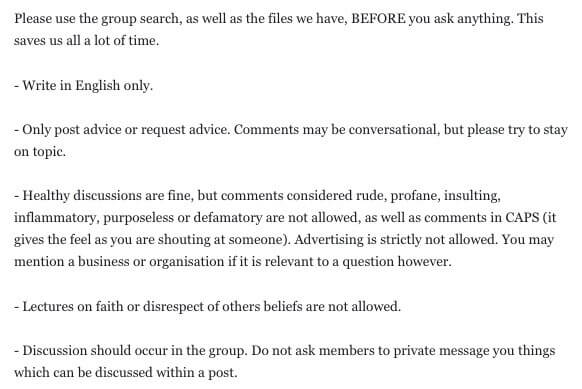
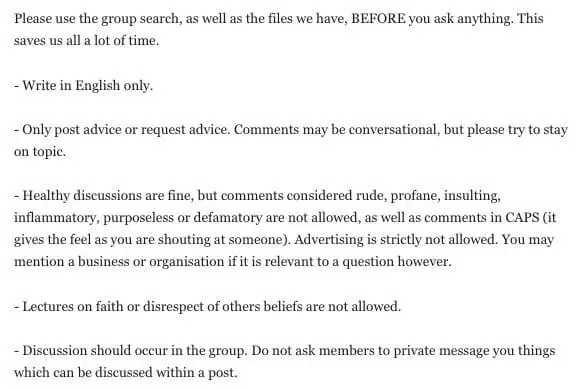
Digital communication tends to make people forget that they are talking with real people. This reduces our threshold for all kinds of unkind behavior: Insults and verbal attacks are easier to type out than to say out loud. Experience shows - you can’t assume that users will automatically behave the same way online as they do in real life. In addition, running an account with a fake name gives people the sense that they won’t be held accountable for their actions.
Therefore, many online communities set down netiquette in writing. It gives them a basis on which to block members that violate these rules.
Aside from trouble-making users, there are other good reasons to formalize netiquette: The rules help the community to avoid misunderstandings, ensure that posts are understandable for all users, and help provide a productive and pleasant environment for discussion.
The dos and don’ts of netiquette in online communities
To avoid misunderstandings, rude remarks, and insults, users in online communities are usually asked to stick to the rules of netiquette in online communities. You can often find a netiquette document or text in a prominent place in the group or platform. If you don’t find a formal set of rules, you should stick to the basic rules of common courtesy in your behavior online.
5 Dos – How to behave best online
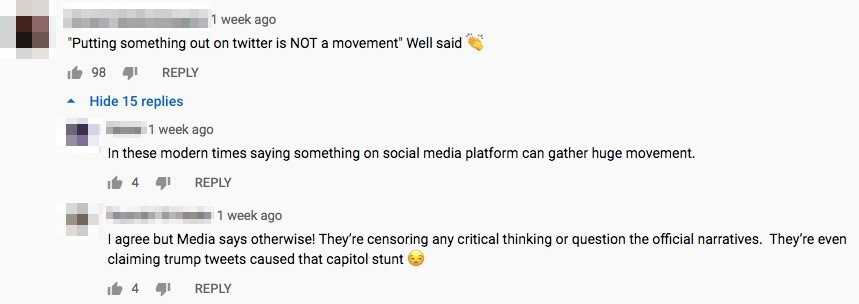
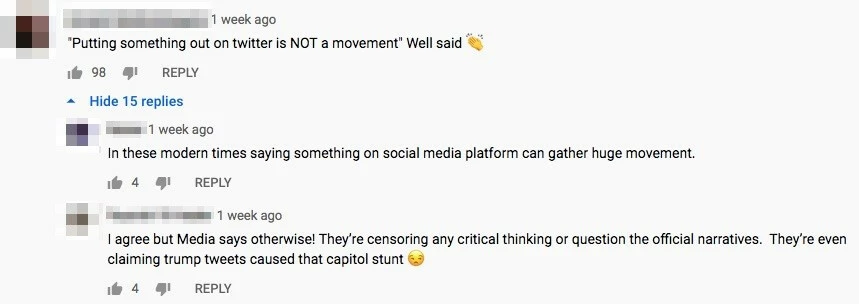
- Put yourself in the other person’s shoes: This is perhaps the most important rule that is often forgotten on platforms with many anonymous users. Always remember that on the other side of the computer screen sits a person who has feelings and can be hurt by what they read. Check whether the content of your post or comment is something you would say to someone’s face. If not, you should rephrase your comment or refrain from posting anything at all.
- Keep your comments brief and don’t digress: Make an effort to organize your thoughts beforehand and communicate your point concisely and coherently. Most users don’t have the patience or motivation to tease out the core of what you’re saying out of several lines of text.
- Pay attention to spelling and use punctuation: No one expects you to always have perfect English and publish only flawless posts on social media. But texts with a lot of typos that don’t use capitalization or punctuation are hard to read. In the best case, your post will be ignored, and in the worst case, you’ll annoy other users. That’s why you should be sure to read over your post at least once before clicking enter.
- Say thank you and be an engaged participant: If you want to be valued as a user and leave a positive impression, you shouldn’t treat online communities as a one-way street. Don’t bombard the group with your remarks without engaging with other users’ posts. If someone asks for advice, use your knowledge to help them; or if you benefit from someone else’s post, be sure to thank them.
- Be the bigger person in conflicts and set clear boundaries: There are trolls and agitators in almost every online community. If you meet someone like that, try to react reasonably and don’t engage in excessive back-and-forth. Set boundaries and make your opinion clear. Pointless public arguments serve more to damage your own reputation and don’t offer anything to the silent reader. If your boundaries are crossed or you’re continuously subject to trolling, send a private message to the moderator of the group so that they can decide how to handle the situation.
5 Don’ts – What to avoid in online interactions
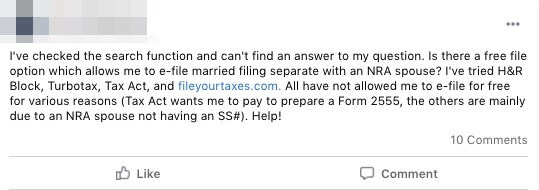
- Avoid using groups as a replacement for Google: Many communities expect that users do a bit of research on their own before turning to the group for answers. You should always search for the answer to your question on Google and use the search feature in your community to see if someone has already asked the question. This shows people that you value their time and are conscious of not bothering them with banal questions.
- Limit your use of exclamation points, abbreviations, and emojis: Many important signals that help us to process a person’s statements aren’t present in online communication, such as facial expressions, gestures, and intonation. Emojis can help to compensate for this. But be sure to adapt to the customs of each online community and don’t overdo it with emojis and gifs, otherwise, it might be that no one takes you seriously. In the same vein, excessive use of exclamation points can make you seem aggressive - try to emphasize your arguments with words and refrain from long streams of punctuation marks. And lastly, you should only use chat abbreviations if you’re sure that everyone in the community will understand them.
- Don’t post unsolicited advertisements for your own products and services: In classic online forums, there are usually dedicated threads where users can advertise their own offers. This has also become a common practice in Facebook groups. You should thus make sure to carefully read the group rules before posting any self-promotion. If there’s nothing written about it there, you should contact the moderators. In the worst case, you can be removed without warning from a group for posting unwanted advertisements.
- Don’t publish sensitive data or get too personal: Even if the contents of a Facebook group can only be read by members, your posts are nonetheless public. Your boss, your partner, and everyone in your life could theoretically enter the group under another name and read what you write. Online discussions, even in private groups, are admissible in court. So, think twice before you complain about your boss in an online forum or divulge secrets from your past in a private group. You should also refrain from posting personal data such as your address or phone number. Before making your next post, be sure that you’re aware of the dangers of social media.
- Give credit when voicing thoughts that come from another source: Pictures and quotations are subject to copyright when used online, even if violations may often go unpunished. It’s against the law to distribute someone else’s content without giving them credit. And legal consequences aside, it’s never a good look to claim credit for what’s not yours. In just a few clicks, anyone can easily find out who was originally behind the content in question. Don’t put your reputation on the line - give credit right away when sharing others’ content.
Netiquette: A reminder of rules that should go without saying
Most people obey netiquette without even realizing it. Netiquette is in essence simple common courtesy with a few adjustments for the context of the internet.
If you join a new group or forum and don’t find any special group rules, simply ask the moderator about it. Another good way to avoid any blunders is to spend some time reading other users’ posts; that way you can get a sense for the group dynamic before engaging yourself.
The bottom line is: If you stick everyday etiquette, you’re unlikely to cause any trouble. Netiquette isn’t a difficult language that takes a lot of effort to learn. If you’re open to tips and feedback, approach other users with tolerance and appreciation, and participate constructively in online discussions, netiquette won’t be a problem for you.