
Who is the best cloud storage provider? A comparison of 9 providers

The advantages of secure cloud storage make services such as Dropbox, iCloud Drive, Google Drive, pCloud and HiDrive appealing to both private users and businesses. Our comprehensive cloud storage comparison explains what to look for when choosing a provider and shows which services offer the best overall package.
Overview comparison of the best cloud storage services
| Provider | Free storage | Server location | Special feature | Price |
|---|---|---|---|---|
| Box | 10 GB | Worldwide | Box Zones help with compliance with regional data protection regulations | ++ |
| Dropbox | 2 GB, expandable to 16 GB | Worldwide | Free storage can be increased through referrals | + |
| iCloud Drive | 5 GB | Not freely selectable | Preinstalled by default on Apple devices | + |
| Google Drive | 15 GB | Worldwide | Integration with other Google services | + |
| HiDrive | ✗ | North America and Europe | Certified according to ISO 27001 | + |
| luckycloud | ✗ | Germany | Storage capacity freely configurable | +++ |
| pCloud | 2 GB, expandable up to 10 GB | USA, among others | Client-side encryption possible | + |
| Tresorit | Basic plan with 3 GB | Worldwide | End-to-end encryption | +++ |
| SecureCloud | ✗ | Germany | Version control in all editions | ++ |
Last updated: May 2026
- Store, share, and edit data easily
- Backed up and highly secure
- Sync with all devices
What makes the best online storage service?
Cost is often the first factor people consider when comparing cloud storage providers. While price is important, it should not be the only criterion in a reliable cloud storage comparison. As with other web services, usability and the security of your data are just as important. For businesses in particular, it is also worth looking closely at the collaboration features offered by each cloud solution. Finally, reliability and the provider’s support offering should also play a key role in your decision.
In this best cloud storage comparison, the most important criteria for online file storage include the following:
- Costs: even the best cloud storage should fit your available budget. Before choosing a provider, consider how much storage space you need and which features are essential. This makes it easier to compare different cloud storage solutions.
- Usability: cloud storage should be easy to use on any device. The best cloud storage should also integrate smoothly into existing tools and workflows, for example through APIs or direct connections to office and collaboration solutions for online file storage.
- Security: modern cloud storage providers use multi-layered security concepts. These can include encryption during storage and transfer, role-based access controls, and certified data centers. For many companies, compliance is also a key factor, especially when cloud storage is used to store sensitive customer, financial, health, or business data.
- Reliability and support: high availability, service level agreements, redundant infrastructure, and reliable backup strategies help ensure that data remains accessible. Responsive, knowledgeable support is also important so that issues can be resolved quickly.
What are the various cloud storage providers available?
The best cloud storage combines strong security, simple and intuitive operation, and reliable availability with as little downtime as possible. A good overall package also includes generous storage capacity at a fair price. Which solution is the right fit depends on how you want to use cloud storage, your technical expertise, and your available budget. Below, we present some of the best online storage services.
HiDrive
The domain and hosting provider IONOS offers HiDrive, a cloud storage service that, unlike many competing solutions, does not include a free plan. Instead, it is available through several affordable subscription options. Plans for individual users start at just a few dollars per month and include 100 GB of storage. Business plans for multiple users also make the service a suitable option for small businesses. IONOS stores all data in ISO 27001-certified data centers that meet high security standards, while data transfers are protected with TLS encryption.
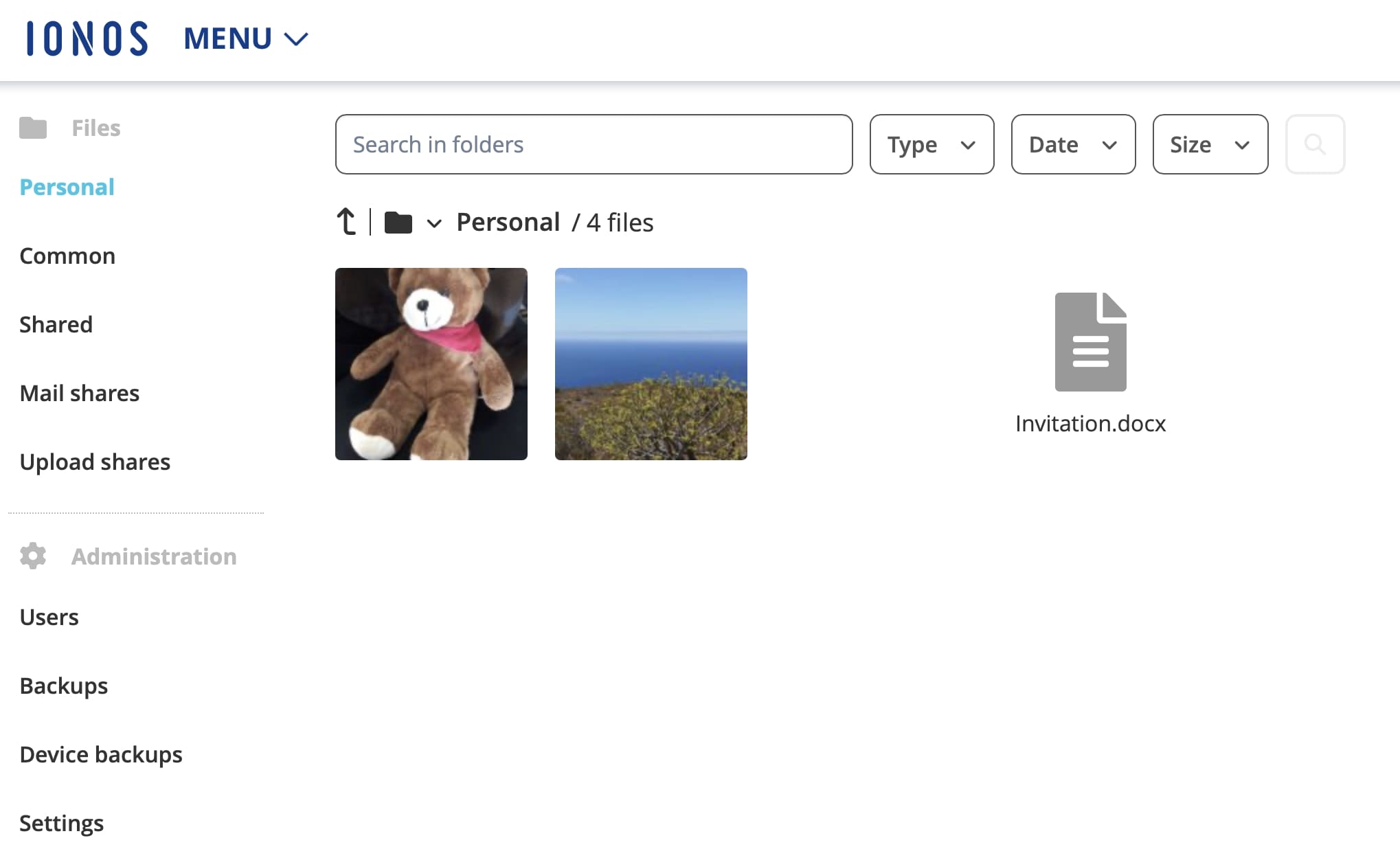
You can access your files through the web application or via desktop and mobile apps for iOS, Android, Windows, and macOS. These apps also let you access your files offline, with the most recently synchronized version available. You can also share files stored in HiDrive easily with friends and contacts using a sharing link.
| Advantages | Disadvantages |
|---|---|
| ✓ Affordable storage plans for private and business customers | ✗ No free storage option available |
| ✓ Data centers in North America and Europe | |
| ✓ Encryption during transmission (AES-256) and storage (AES-128) | |
| ✓ Cross-platform use |
pCloud
pCloud is a Swiss cloud provider that puts the security and protection of your data first. SSL/TLS encryption ensures secure transmission. When registering, you can choose the United States, specifically Dallas, Texas, or the European Union, specifically Luxembourg as the server location. Optionally, you can add an extra layer of security with pCloud Encryption. This means your data is encrypted client-side so that no one but you has the keys required for decryption. This feature is included in the business plans.
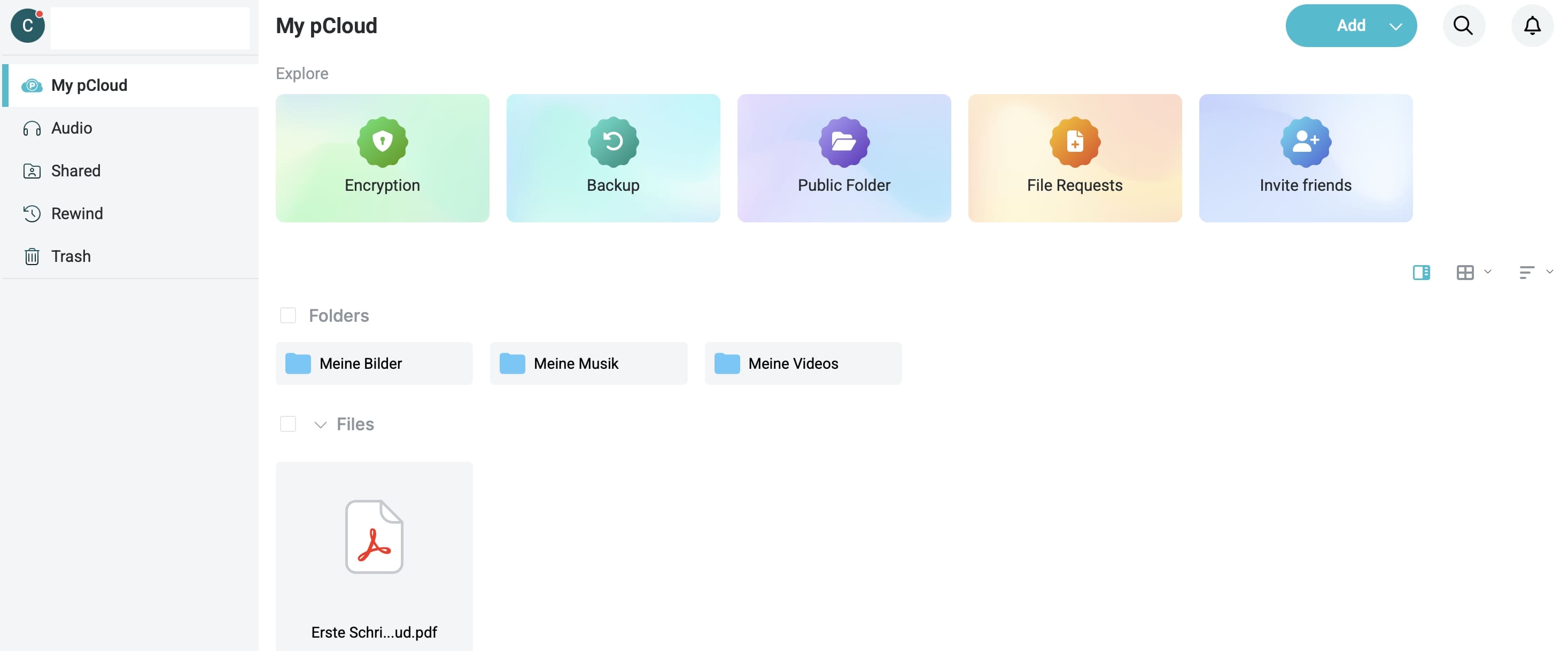
pCloud offers several ways to share files. For example, you can share large files or entire folders with other people using a sharing link, even if they do not use pCloud themselves. You can also protect shared content with a password and allow recipients to upload files to your cloud storage. In the business plans for multiple users, pCloud adds collaboration features such as teams, access levels, comments, and an activity log.
The basic version of pCloud is available free of charge. It includes a limited amount of online file storage, which can be expanded through actions such as using the app or inviting additional users. If you need more storage space, you can switch to a paid plan. Depending on your needs, pCloud offers monthly, annual, and lifetime subscriptions.
| Advantages | Disadvantages |
|---|---|
| ✓ High data protection standards | ✗ File encryption costs extra in the personal plans |
| ✓ Good sharing and collaboration features |
Google Drive
A prerequisite for using Google Drive, the official cloud storage of the search engine giant, is an active Google account, which you also need for other services such as Gmail or Google Photos – which, incidentally, are directly connected to the cloud via appropriate interfaces. The free storage space is shared between Google Drive, Gmail, and Google Photos. By signing up for paid Google One subscriptions, you can increase the available storage capacity.
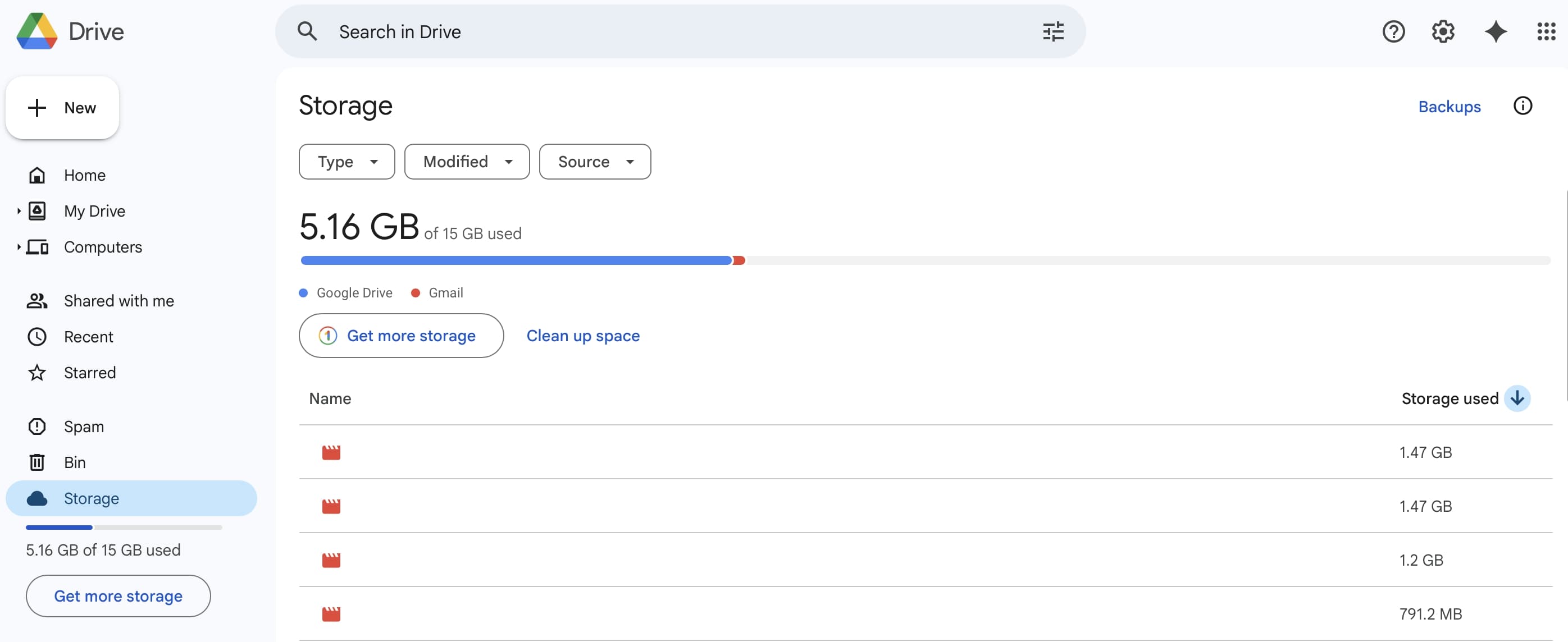
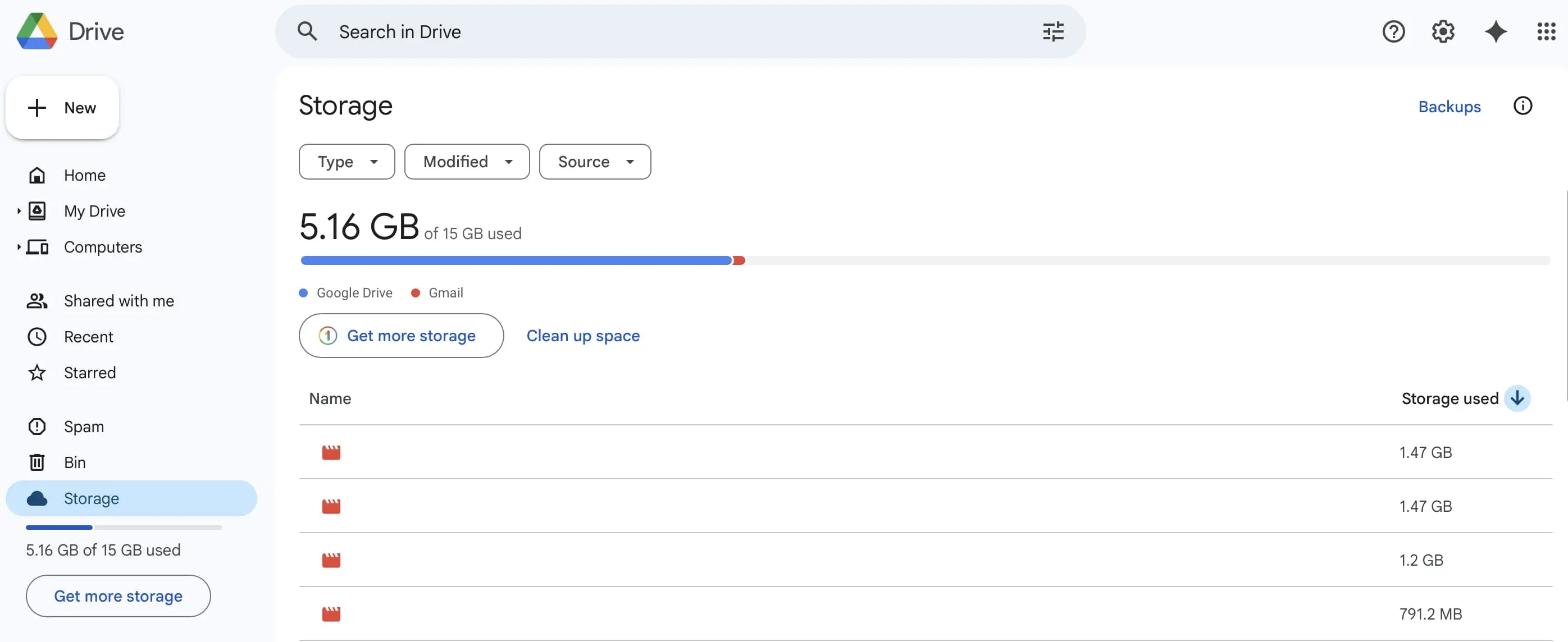
Google Drive shows why Google’s service is one of the best cloud storage options for storing, managing, sharing, and editing files and documents of all kinds. You can upload and download files with just a few clicks and access the popular apps included in Google Workspace. Google Drive also supports integration with many third-party apps. The service automatically synchronizes your stored data across all connected devices. If you prefer not to use the web app, free applications are available for Windows, macOS, iOS, and Android.
| Advantages | Disadvantages |
|---|---|
| ✓ Linking to numerous Google services and third-party apps possible | ✗ Storage on Google servers (without specific information about locations) |
| ✓ Up to 15 GB of storage available free of charge |
- All your favorite Google tools, in one place
- Business Gmail with your own domain
- Gemini AI to help you work smarter
luckycloud
luckycloud is a cloud storage solution from Germany with a flexible pricing model. Its cloud configurator lets you choose how much storage space you need and how many user profiles you want to create. Depending on the plan, luckycloud also offers very large storage capacities and flexible user management, making it a suitable option for larger companies as well.
All luckycloud plans are built around secure cloud storage. Data centers in Germany, combined with backup infrastructure, support strong data protection and high availability. Data transfers are protected with TLS/HTTPS and AES-256 encryption. The provider also offers reliable protection against ransomware, as files can be restored to an earlier version with just a few clicks. In the Team and Business plans, users also benefit from a wide range of collaboration features, including upload and download links, collaborative document editing, user permissions, and versioning. If needed, luckycloud also offers custom cloud solutions with your own branding.
As mentioned above, luckycloud does not rely on fixed service packages in the same way as many other cloud storage providers. Instead, you can choose your required storage capacity individually, from just a few GB to several hundred TB, and adjust the price accordingly. You can also test the service free of charge for up to 14 days.
| Advantages | Disadvantages |
|---|---|
| ✓ Server location in Germany | ✗ No permanently free edition available |
| ✓ Good security features with TLS/HTTPS and AES-256 encryption | ✗ Very expensive for private users |
Box
Box is a cloud storage service from the American company of the same name. For its business plans, Box has focused from the outset on features that make the platform easier to use as a shared collaboration tool. For example, users can share links, create tasks, or add real-time notes to selected files and tasks. All changes are recorded in the activity log, so you can track which user made which update. Access to individual areas of the cloud can also be controlled through detailed permission management.
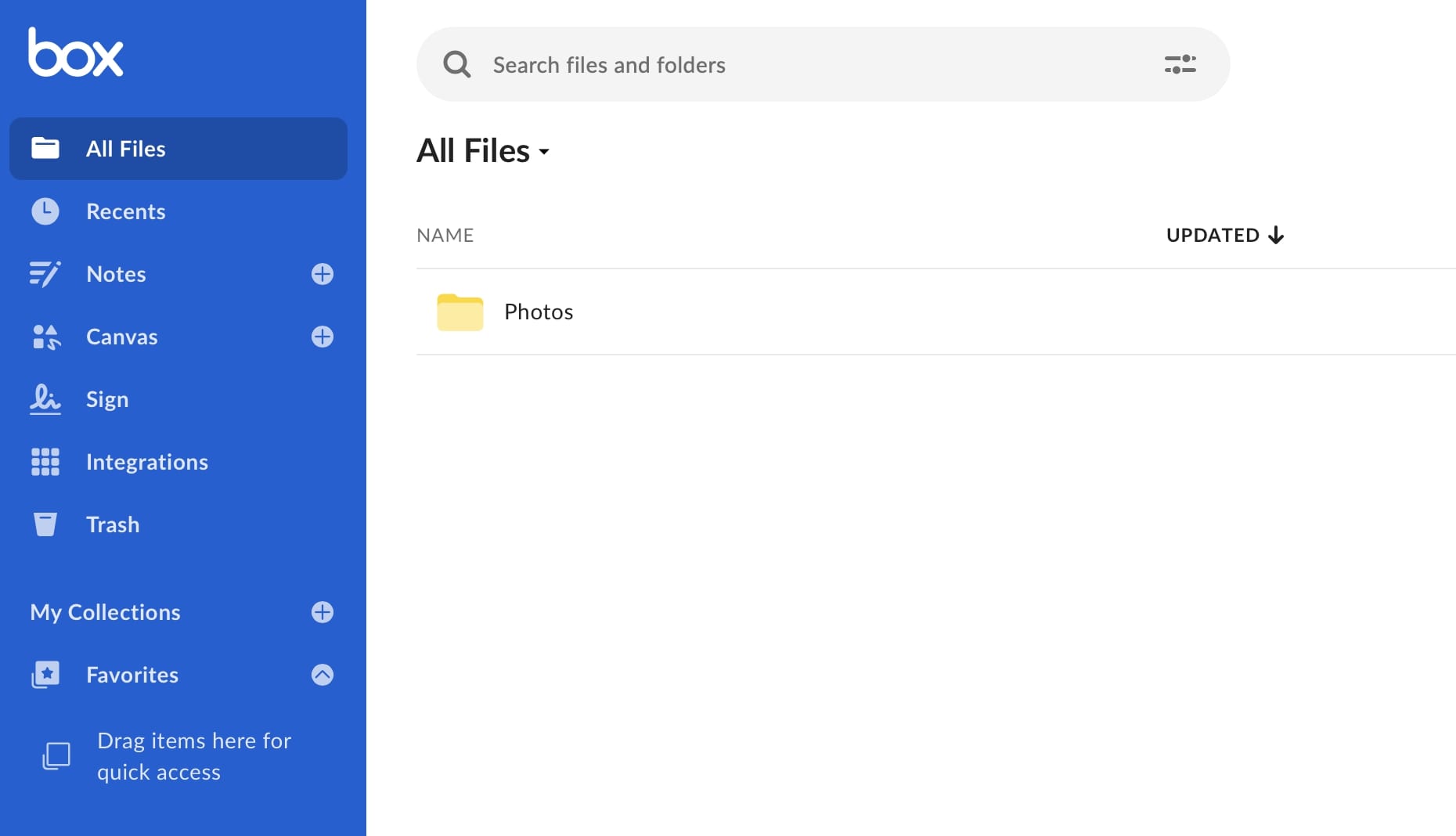
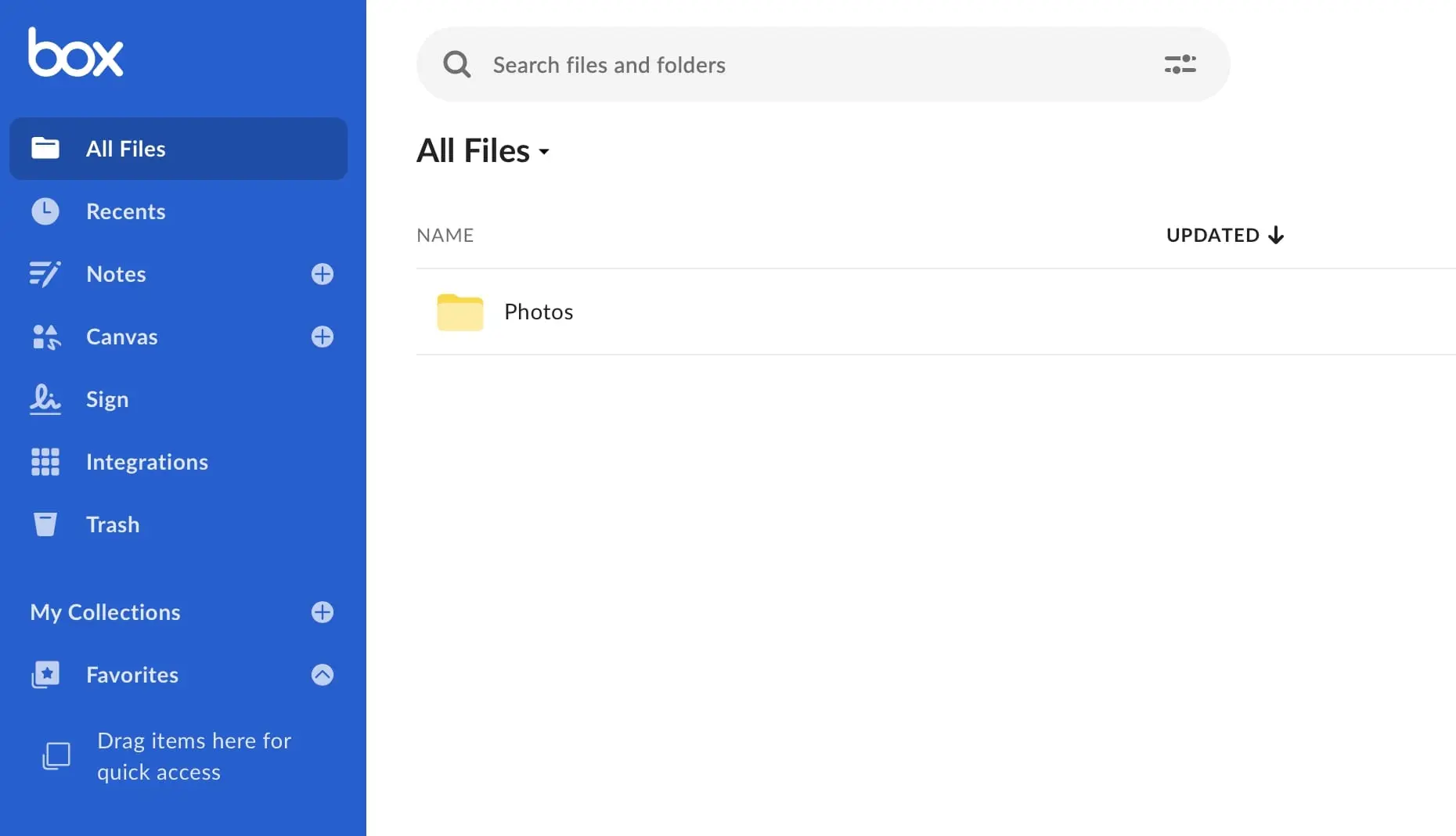
Box also performs well in terms of security and data protection. With Box KeySafe, the cloud service supports customer-managed encryption keys, giving companies greater control over access to their stored content. Companies can also manage their encryption keys through supported key management services and, depending on their setup, secure them with a hardware security module (HSM). To help meet regional data residency requirements, Box uses international partner infrastructure in selected regions, including Germany, Ireland, Japan, and Australia.
Like many cloud storage services in this comparison, Box provides a web application as well as desktop clients for macOS and Windows and mobile apps for iOS and Android. These let users access their cloud storage with Box Drive or create notes with Box Notes from their preferred device. Box offers up to 10 GB of storage space free of charge, with uploads limited to 250 MB per file. Private users can upgrade to 100 GB, while higher Business plans, starting with Box Business, offer unlimited storage. The entry-level Business Starter plan is limited to 100 GB per user.
| Advantages | Disadvantages |
|---|---|
| ✓ Excellent features for shared storage use, especially in the Business plans | ✗ Limited functionality for personal accounts |
| ✓ Box Zones helps companies meet regional data residency requirements | ✗ Less attractive for private users than some alternatives |
Tresorit
Tresorit is a service from the Swiss cloud provider of the same name. With end-to-end encryption, files are encrypted before they are transferred, keeping them highly secure in the Tresorit cloud. File sharing is also particularly well protected: encrypted links, password-protected file and folder sharing, configurable expiration dates, and granular user permissions provide a high level of control. These security features apply across all clients, whether users access Tresorit via the browser application, the desktop app for Windows, macOS, and Linux, or the mobile app for iOS and Android.
One of Tresorit’s biggest strengths is its comprehensive yet clearly structured admin center. It gives administrators a clear overview of storage space, users, and connected devices. Individual user accounts can also be managed centrally, while security policies make it possible to block specific devices or IP addresses from accessing the service or to require two-factor authentication.
Tresorit uses certified data centers (ISO 27001) in locations including Ireland, Germany, and the Netherlands. This helps companies meet strict data protection requirements. Depending on the plan, private users receive between 50 GB and 4 TB of storage. Team plans include shared storage of 4 TB, 6 TB, or 15 TB.
| Advantages | Disadvantages |
|---|---|
| ✓ End-to-end encryption for browser app and mobile/desktop apps | ✗ Few features for collaborative work with stored files |
| ✓ First-class security management |
iCloud Drive
The storage service iCloud Drive is likely to be especially familiar to Apple users – this cloud storage solution is part of the standard iOS and macOS package, which means it is automatically installed and ready to use. However, Windows users with a valid Apple ID can also access iCloud Drive via the web interface or the desktop application. iCloud is aimed exclusively at private users, who by default receive 5 GB of free storage. This can be upgraded to 50 GB, 200 GB, 2 TB, 6 TB, or 12 TB.
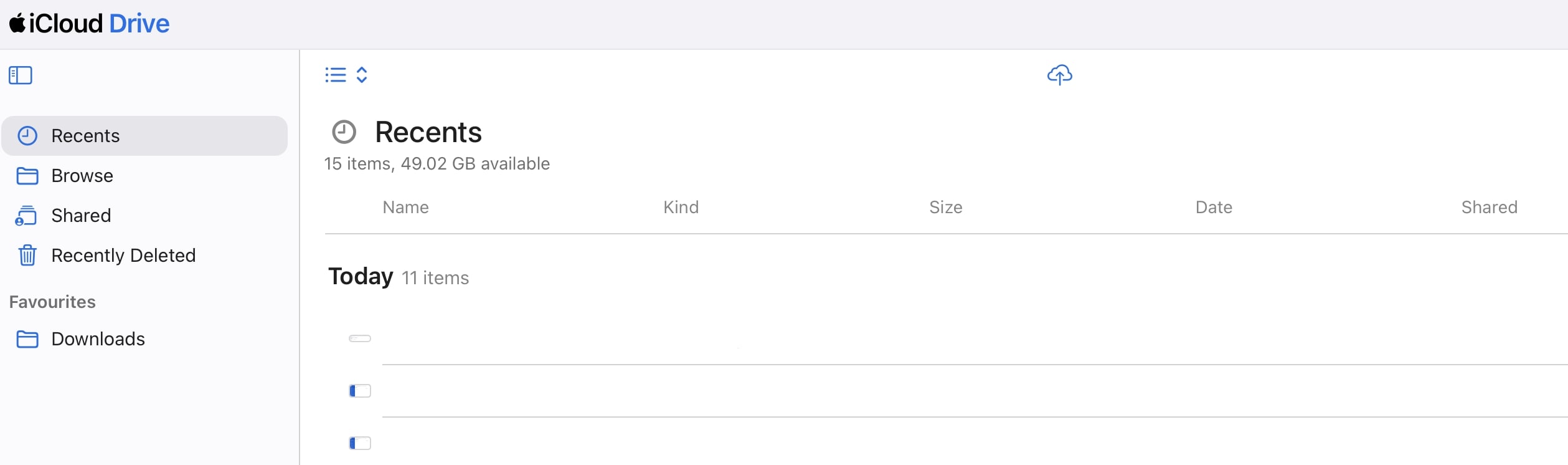
Files and folders in iCloud Drive can be shared with other users and edited collaboratively. With iCloud+, storage can also be shared through Family Sharing. To-do lists, calendars, presentations, and other content can likewise be shared easily across Apple services. Apple encrypts data during transfer and on its servers using AES-256. Additional protection is available through optional two-factor authentication and Advanced Data Protection for iCloud, which enables end-to-end encryption for many iCloud data types.
| Advantages | Disadvantages |
|---|---|
| ✓ Already fully integrated on Apple devices | ✗ Data is stored on Apple servers, with limited transparency over the exact storage location |
| ✓ Low-cost option for private users | ✗ Private users cannot freely choose the storage location |
SecureCloud
With SecureCloud, the Nuremberg-based cloud provider focuses primarily on business customers. Its business plans include user management and, depending on the selected plan, advanced features such as user roles, audit logs, and custom compliance policies. SecureCloud also supports simultaneous online document editing in every plan.
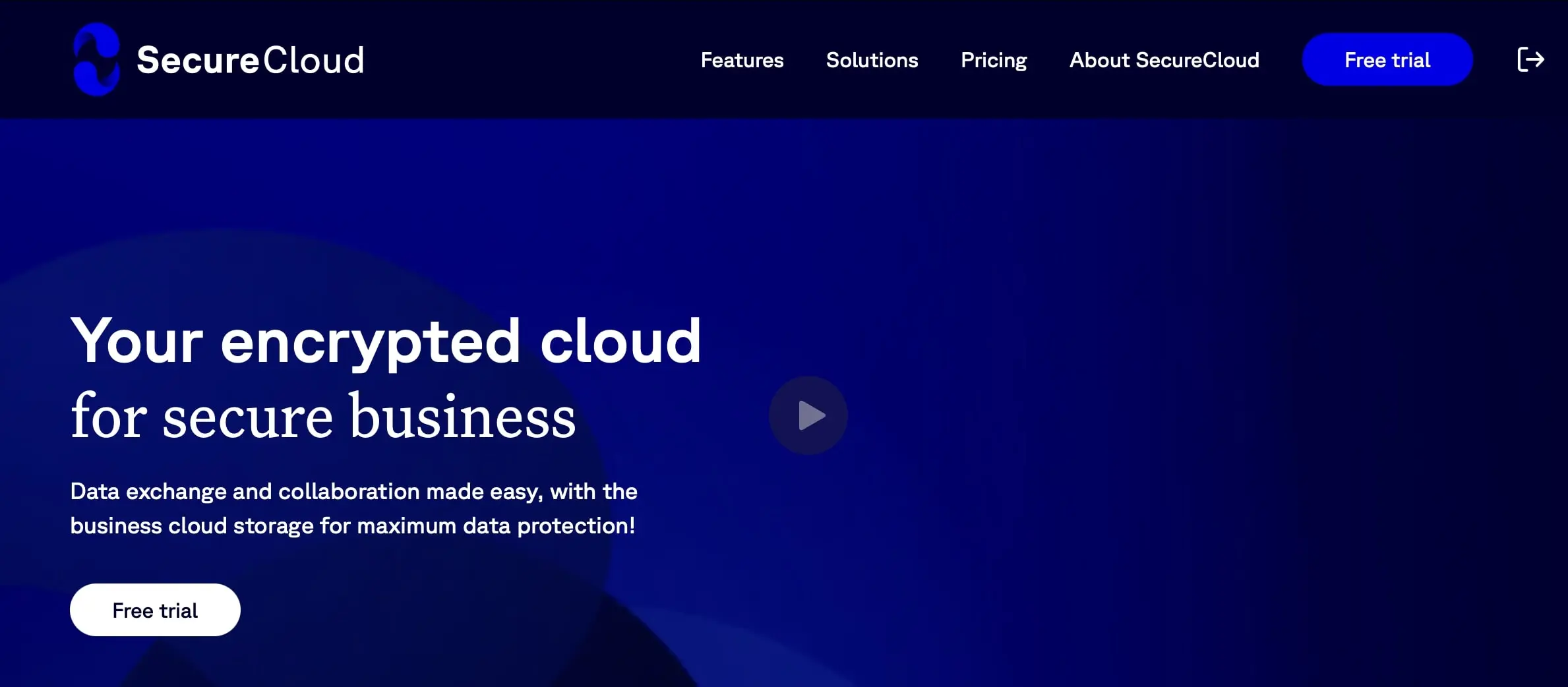
SecureCloud offers extensive collaboration features across all versions. Users can share folders from their personal cloud with colleagues, while activity histories show which files have been changed. Older file versions can also be restored when needed. Thanks to the integrated cloud office, Microsoft and OpenOffice documents can be opened and edited directly. Commenting and chat functions further support teamwork. All files are transferred using encryption (AES-256) and stored in certified data centers in Germany.
After a two-week trial period, users can choose from three plans: Business with 50 GB per user for smaller teams, Advanced with 100 GB per user for medium-sized teams, and Enterprise with a custom contract for larger organizations.
| Advantages | Disadvantages |
|---|---|
| ✓ Server location in Germany | ✗ No free edition |
| ✓ Integrated office editing and team features | ✗ Not suitable for private users |
Dropbox
Dropbox has been one of the most widely used cloud storage services for years. The free Basic edition includes 2 GB of storage, which can be expanded to up to 16 GB through actions such as inviting additional users. Those who need more capacity can choose paid plans such as “Plus” with 2 TB or “Professional” with 3 TB.
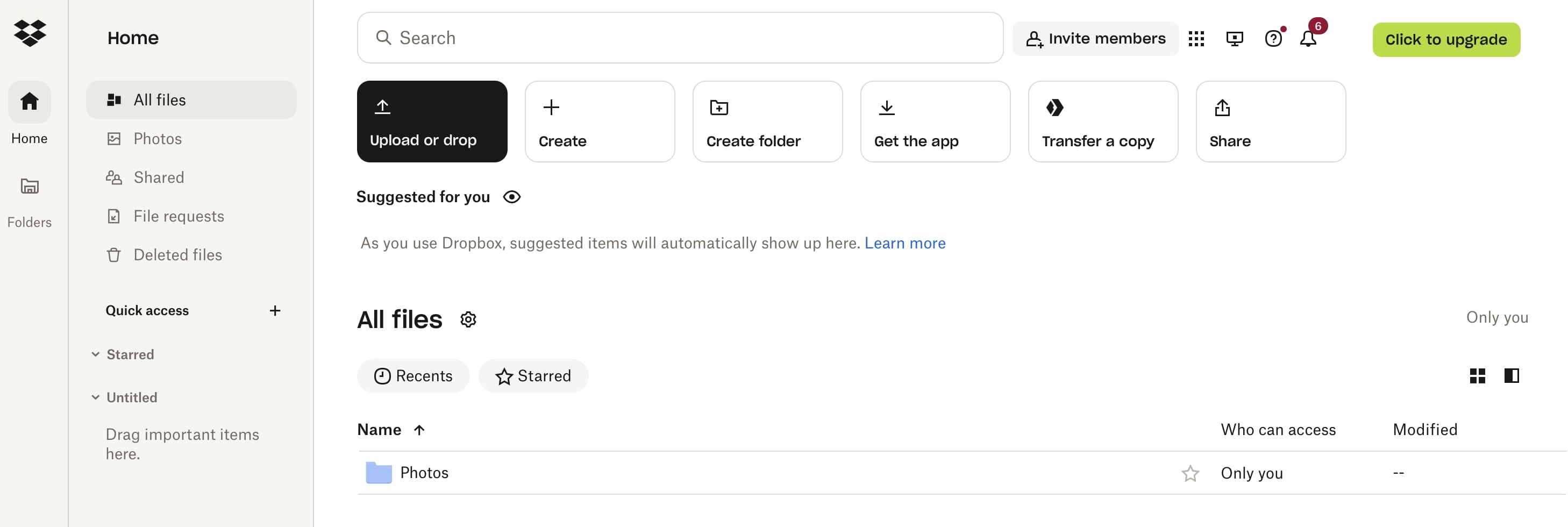
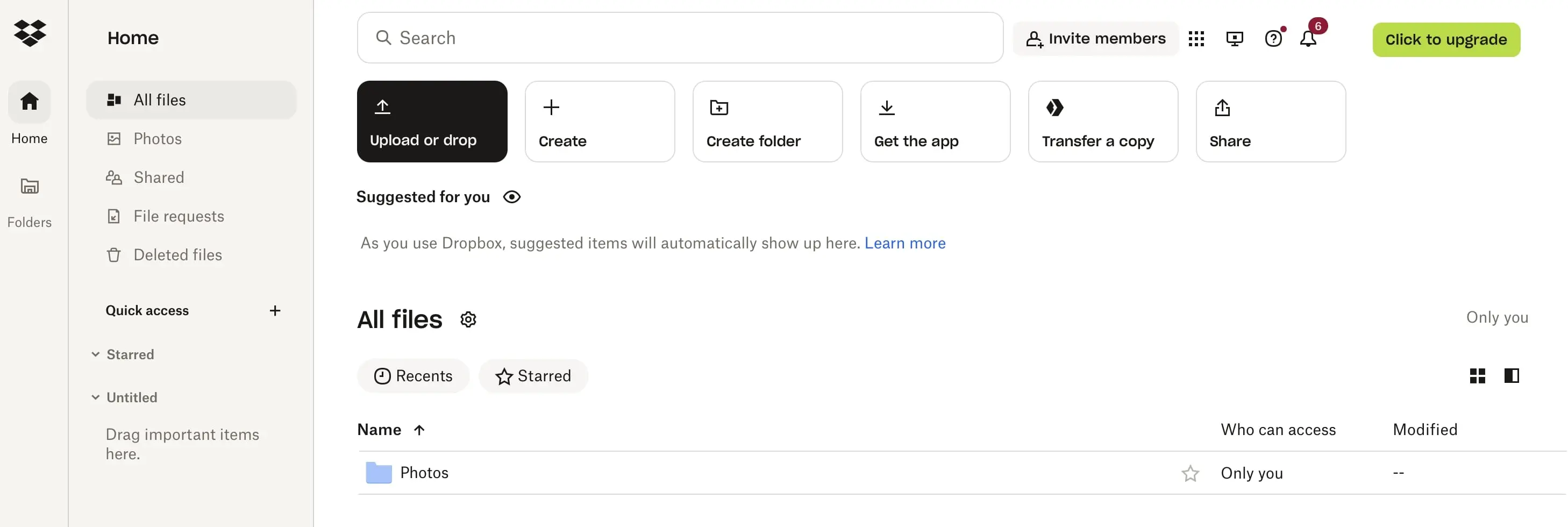
Dropbox also offers business plans, including “Standard” and “Advanced”, which provide additional administration and collaboration tools. For example, administrators can create user lists, define individual access permissions, and use activity reports to see who shares, grants access to, or deletes files. Storage usage can also be viewed for each user. For collaborative brainstorming and task management, Dropbox integrates with Microsoft Office and also provides its own document tool, Paper. Files are encrypted during transfer using 128-bit TLS and on the server using 256-bit AES. However, data is stored across an international infrastructure, which limits control over the exact storage location and applicable security standards.
| Advantages | Disadvantages |
|---|---|
| ✓ Free storage can be expanded to up to 16 GB | ✗ Data is stored in an international infrastructure |
| ✓ Business plans available with powerful administration features | ✗ Limited control over the exact storage location |
Why cloud storage and online backup work best together
Cloud storage keeps your most important files available wherever you are and makes it easy to share documents, photos, and other content. However, it only offers limited protection against risks such as malware, accidental deletion, or hardware failure. This is where online backup comes in because your data is automatically backed up to the cloud at regular intervals, making it a useful addition to online file storage.
Below, we present two backup solutions that complement cloud storage services particularly well.
MyDefender
Anyone who wants to back up their data automatically in modern, ISO-certified data centers will find a suitable solution in MyDefender from IONOS. This security solution allows you to schedule backups precisely, whether you want to protect a computer, smartphone, or tablet. You decide when the backup takes place, so you can make sure, for example, that your device is connected to Wi-Fi and does not use mobile data for the upload. After logging in to the central user interface, you can conveniently access your backed-up files at any time.
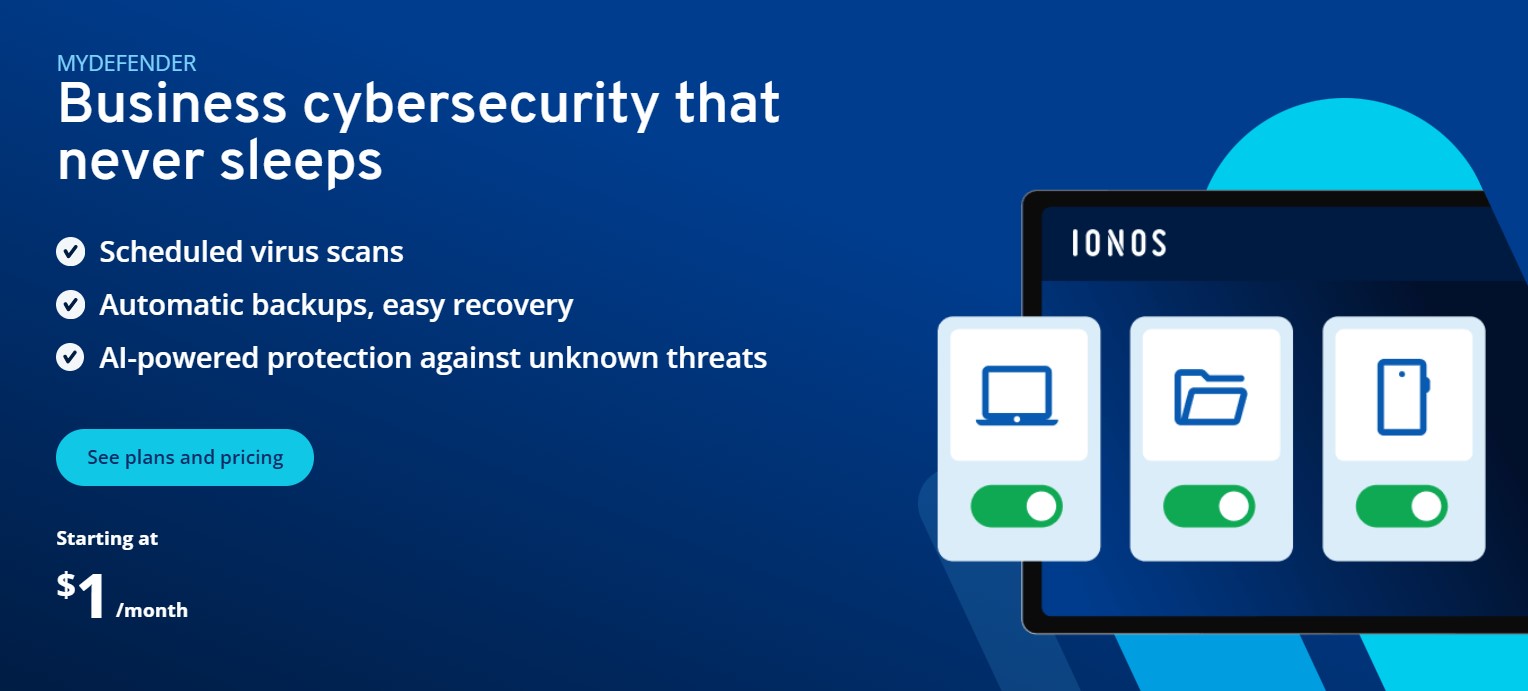
MyDefender stores data in European data centers that meet high security standards and are certified according to ISO 27001. Data is stored in accordance with European data protection law. Additional security features such as virus scans, ransomware protection, and AES 256-bit encryption help protect backed-up files.
After a free trial period, users can choose between different plans with 100 GB, 250 GB, 500 GB, or 1 TB of backup storage. Depending on the plan, backups are available for one, three, five, or an unlimited number of devices. MyDefender supports common operating systems, including Windows, macOS, Android, and iOS.
| Advantages | Disadvantages |
|---|---|
| ✓ AES-256 encryption when uploading backup files | ✗ No permanently free plan available |
| ✓ Storage in ISO-certified European data centers | ✗ Mainly designed as a backup solution rather than a full cloud storage service |
- Regular virus and malware scans
- Automatic backups and simple file recovery
Cloud Backup
With Cloud Backup, IONOS focuses specifically on cloud infrastructures. The solution can be used to back up virtual machines (VMs), file servers, Exchange servers, and workstations, helping companies protect business-critical data and maintain uninterrupted productivity. All backups can be managed and controlled centrally, making it easy to hand over administration to the IT department if needed. Preconfigured backup agents keep the setup effort low, even for more complex server backups. You also decide when and how often backups are created.
In an emergency, IONOS Cloud Backup helps companies restore important data quickly. Flexible restore options and versioning make it possible to roll back to earlier file versions or, if necessary, transfer data completely to new hardware. Backed-up data is transmitted via an SSL/TLS connection and protected with AES 256-bit encryption to help prevent unauthorized access. Backup files can also be compressed to make better use of the available storage space.
Cloud Backup from IONOS can be adapted flexibly to business needs, with storage volumes between 100 GB and 2 TB and various additional features. Companies also receive support with setup and operation from IONOS experts and customer support.
| Advantages | Disadvantages |
|---|---|
| ✓ Backups of complete cloud infrastructures possible | ✗ No free storage option available |
| ✓ Easy setup thanks to preconfigured backup agents | ✗ Primarily aimed at business and cloud infrastructure use |
- Automatic backup & easy recovery
- Intuitive scheduling and management
- AI-based threat protection
Reviewer

Jeanna Raffa
With over 18 years of experience in online marketing, Jeanna Raffa possesses extensive expertise in digital marketing. Since 2020, her focus has been on providing practical information regarding email, office, and cloud storage solutions.