

What are the most popular web design trends for 2026?

Web design is constantly evolving, with new trends shaping the look and feel of the internet of tomorrow. From immersive interactive 3D worlds to bold, expressive typography, today’s most popular design ideas focus on strong visual impact. We present 15 key trends to help you stay ahead in modern web design in 2026.
Key Takeaways
15 key web design trends in 2026 combine creative interactivity with digital finesse and accessibility.
- Immersive 3D worlds and interactive elements enhance the user experience through tactile depth.
- Accessible design (
WCAG) and performance vialazy loadingare essential foundations. - Nostalgic style elements meet innovative technologies like
WebXRfor VR and AR. AI chatbotsandMicro-interactionsincrease user-friendliness and personalization.
15 web design trends defining this year
It’s clear that 2026 builds on many web design trends from previous years rather than fundamentally reshaping the internet. However, several developments stand out, focusing on improved user experiences for platforms that aim to shape the internet of tomorrow.
- Accessible design
- Nostalgic web design
- Interactive 3D worlds and elements
- Web design for pure entertainment
- Creative 404 error page
- Short video content with added value
- Bold and unique typography
- Neumorphism
- Scrolling design: Long/infinite and parallax effect
- Performance remains important
- Personalized user experience
- Virtual and augmented reality via WebXR
- Advancement of chatbots
- Socially and environmentally driven designs
- Micro-interactions
- Get online faster with AI tools
- Fast-track growth with AI marketing
- Save time, maximize results
Top web design trends for websites for 2026
Accessibility
A key web-design trend for 2026 in the United States is ensuring digital accessibility for everyone**. Under the Americans with Disabilities Act (ADA), websites and mobile apps of businesses open to the public as well as government entities must provide equal access to people with disabilities.
To meet ADA obligations, many organizations follow the Web Content Accessibility Guidelines (WCAG) — in particular Level AA — as the de facto standard for web accessibility.
Making a website accessible typically involves ensuring compatibility with assistive technologies such as screen readers, enabling keyboard navigation, providing alternative text for images, offering captions or transcripts for audiovisual content, and designing with sufficient color contrast and accessible layout.
For many businesses and public organizations, accessibility is no longer optional. It is increasingly treated as a legal necessity, because failure to comply can result in lawsuits or legal action under the ADA.
Nostalgic web design
In the year 2026, visiting some websites will feel like a leap into the past thanks to retro images and pixel elements as well as once-outdated navigation structures. Besides the 1990s, the 2000s, especially due to the current Y2K revival, serve as a source of inspiration.
Even custom cursors — whether static icons or animated effects — are making a comeback in web design this year. Some sites use a custom-designed pointer, while others add animations that trigger when the mouse moves. The site “90s Cursor Effects” showcases a variety of this retro-style trend.
Interactive 3D worlds and elements
Among the web design trends of 2026 are immersive 3D effects that give websites a tangible, almost plastic look. The key concept behind this trend is immersion: users are drawn into a virtual environment where they move through content by scrolling or clicking. A good example is the department store chain Bloomingdale’s, which offers an immersive shopping experience that feels like navigating a virtual shopping center.
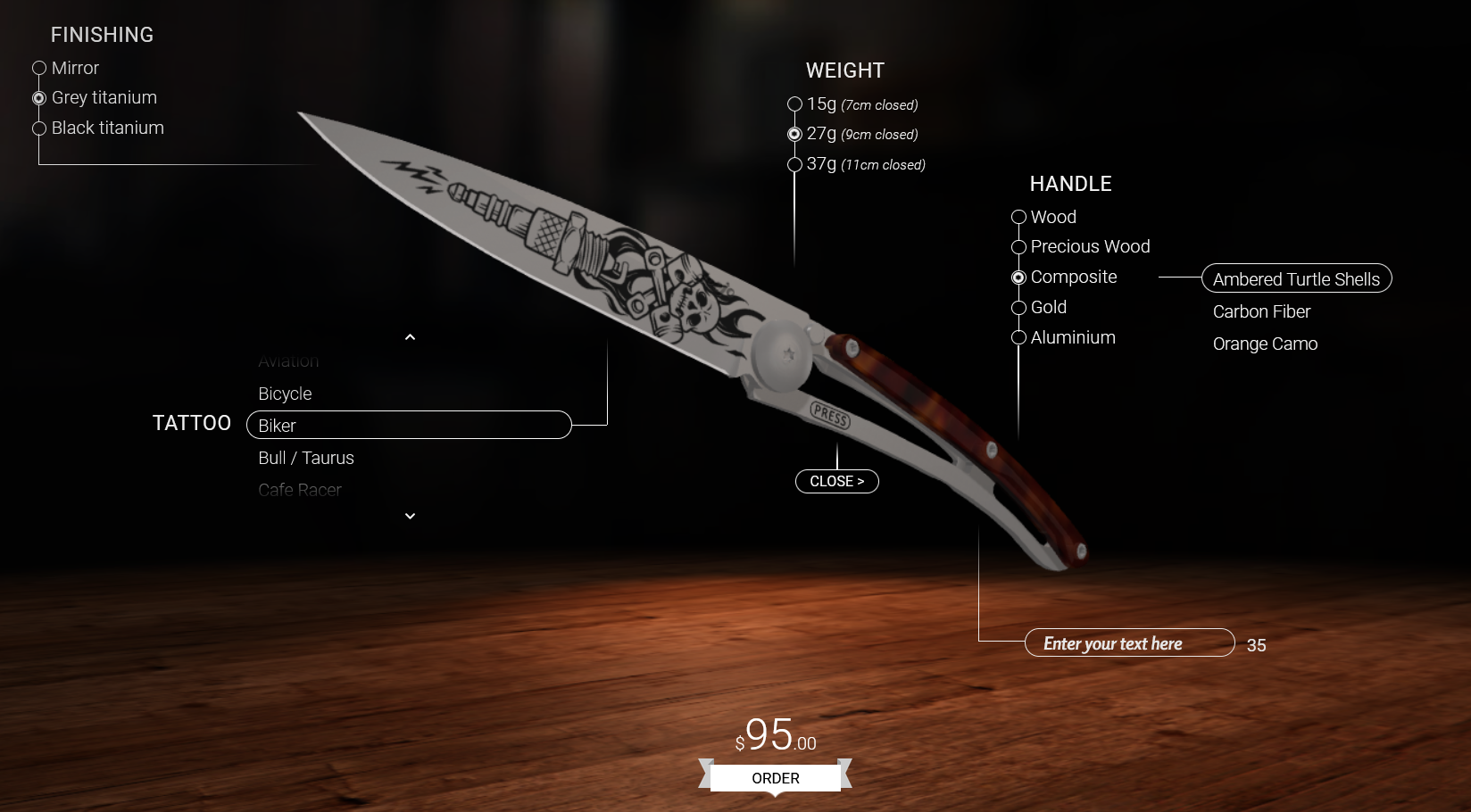
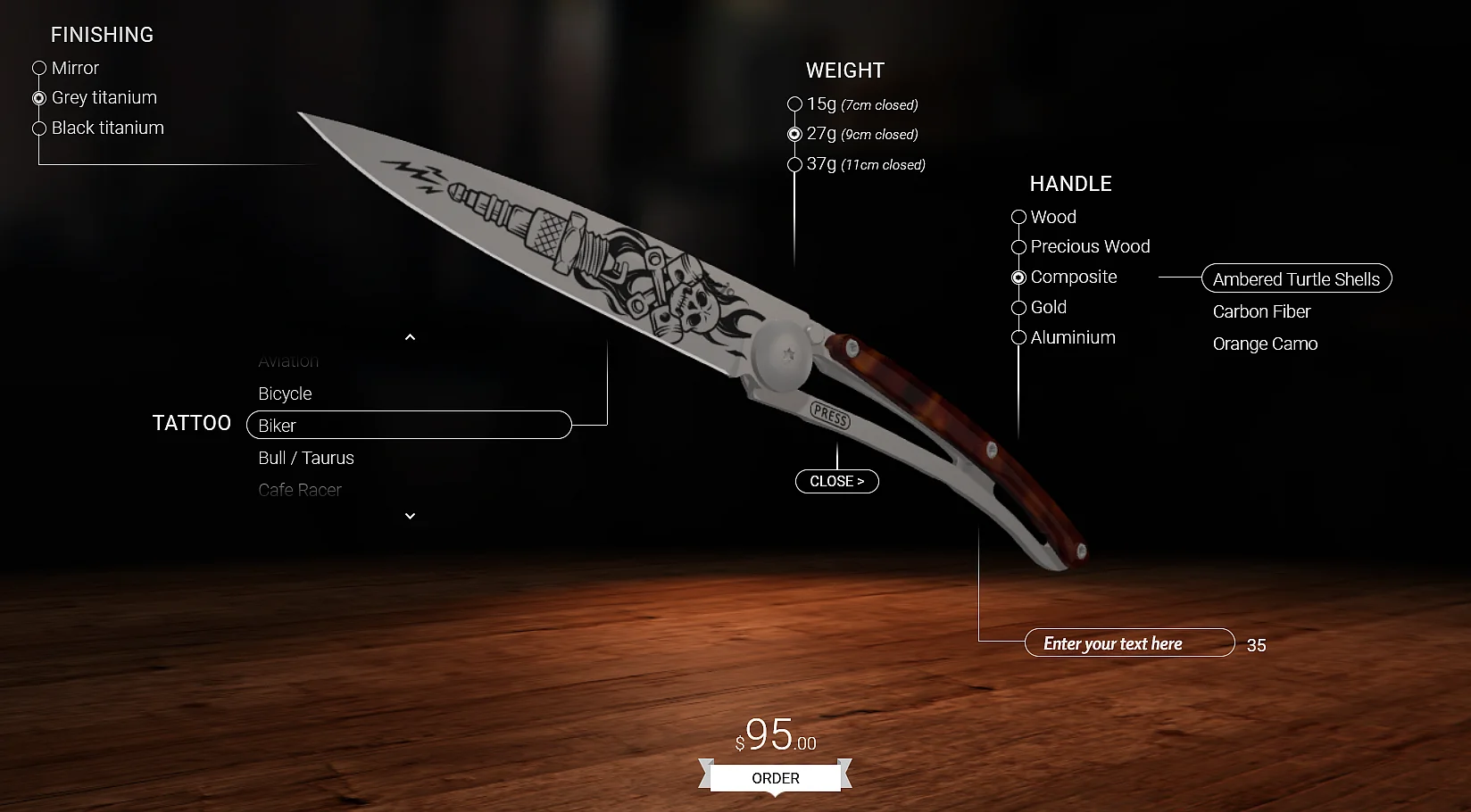
Similarly, in 2026, websites increasingly feature 3D elements that users can interact with using a mouse click or touch gesture. Especially in e-commerce, these interactive objects offer significant potential since customers can explore products from every angle, creating a more realistic and informed shopping experience. A strong example of this effect can be seen on the website of the French knife brand Deejo.
Not a fan of interactive or bright website designs? One trend that has spread across the entire web and software landscape is Dark Mode. Many users find bright interfaces — especially in low-light environments — uncomfortable and appreciate having an alternative to overly bright displays. As a result, dark interfaces have become widely adopted. For example, operating systems such as Windows 10 offer a Dark Mode, and browsers like Google Chrome allow users to enable Dark Mode.
Web design for pure entertainment
Web design in 2026 also embraces entertaining elements that don’t necessarily serve a functional purpose. After the challenges many people have faced in recent years, this trend focuses on delighting users and reimagining familiar components in a fresh, playful way.
In this web design trend, you can expect interactive animations that can be moved or activated for fun. Similarly, you can replace the classic loading bar on your website with an original loading animation, making the wait time entertaining.
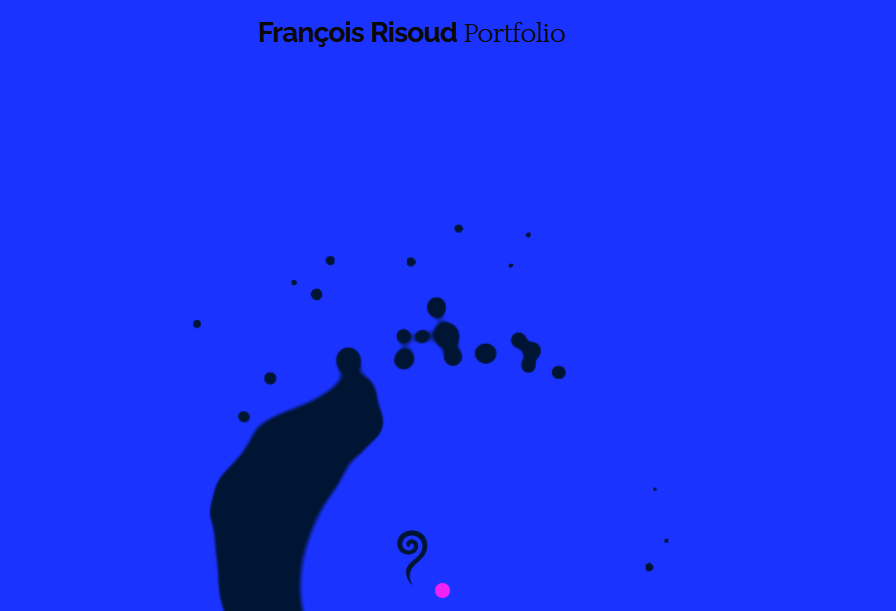
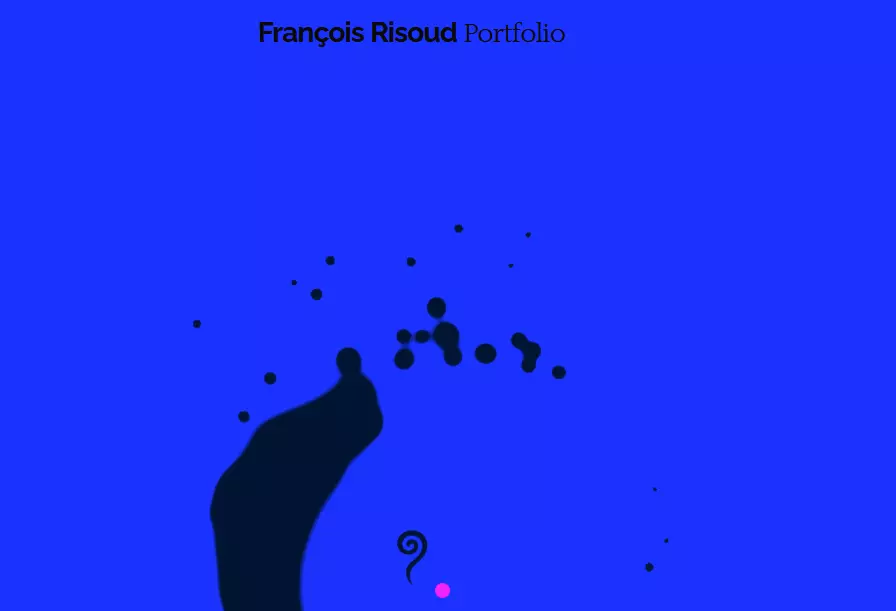
The portfolio of Full Stack Developer Francois Risoud is equipped with hover animations, for instance. Specifically, the website contains elements that disperse when the cursor hovers over them:
Creative 404 error page
In modern web design of 2026, creative 404 error pages also play an important role. Similar to the trends mentioned earlier, the focus here is on entertaining users. Instead of displaying a plain error message when an invalid URL is accessed, these pages feature engaging or playful elements. This transforms a dead end into an enjoyable detour. We’ve compiled several ideas for original 404 pages.
Short video content with added value
Integrating video content is a web design trend that is already widespread. However, in 2026, the emphasis is on short clips that not only look impressive but also provide added value. This trend could be implemented through an introductory video of yourself or your company. Similarly, products can be attractively presented with short videos. To generate more reach, these can also be shared on popular social media platforms.
Evergreen web design trends that are still relevant
Bold and unique typography
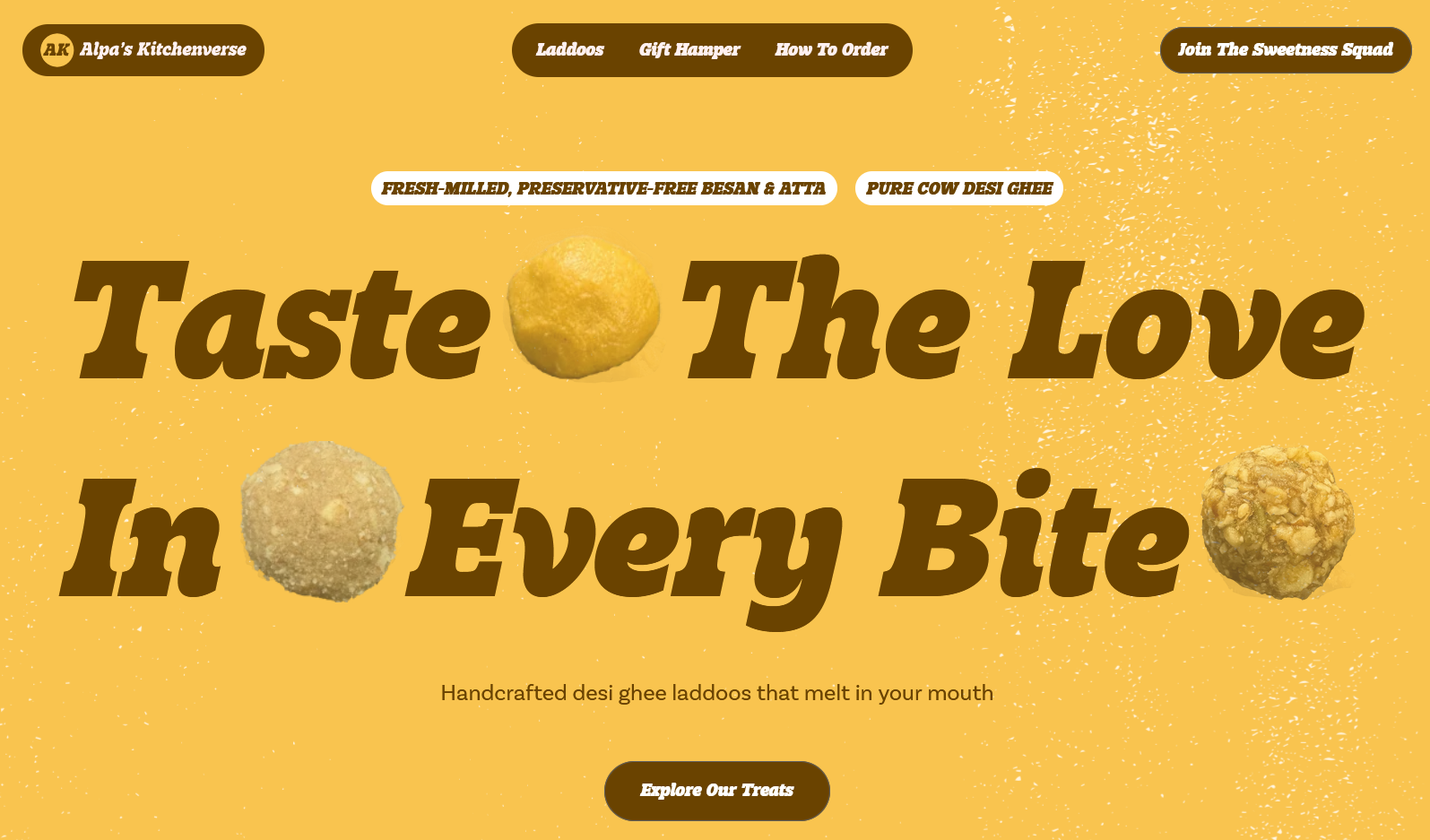
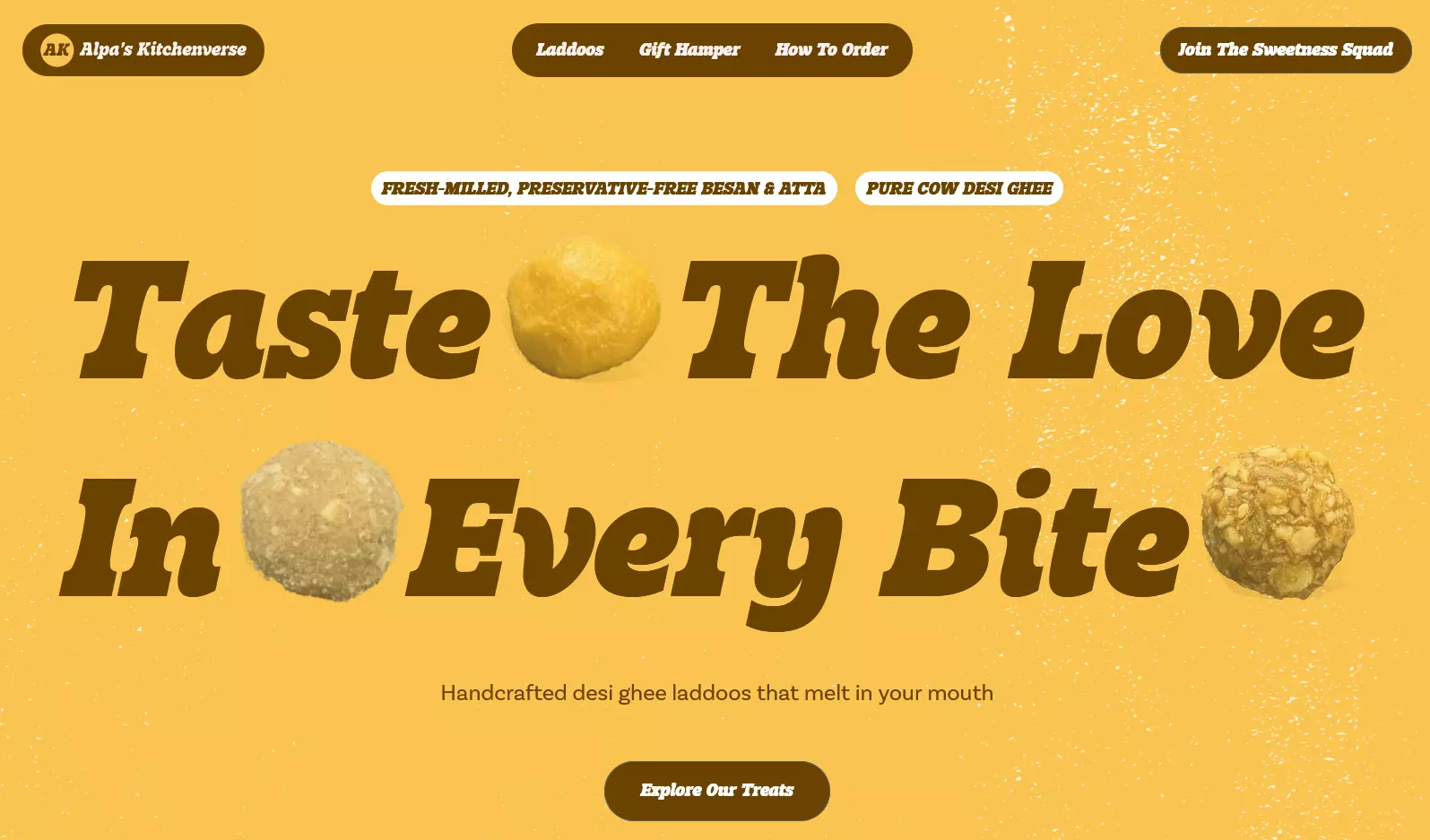
Bold and distinctive fonts remain a key element in web design in 2026. Many homepages welcome visitors with oversized words or sentences that dominate the screen and often overlap other elements in a deliberate, aesthetic way. This typography trend — often associated with web brutalism — highlights one thing in particular, which is that fonts don’t just convey information; they can also serve as a central design element.
Fonts like web fonts are also an important tool for giving a brand its own identity. Big names like Coca-Cola, Disney, and Harry Potter use custom typography to be recognized worldwide. Using a self-designed font on your website is definitely worth considering. Experiment with colors and shapes. Images and other media can also be incorporated into letters.
Neumorphism
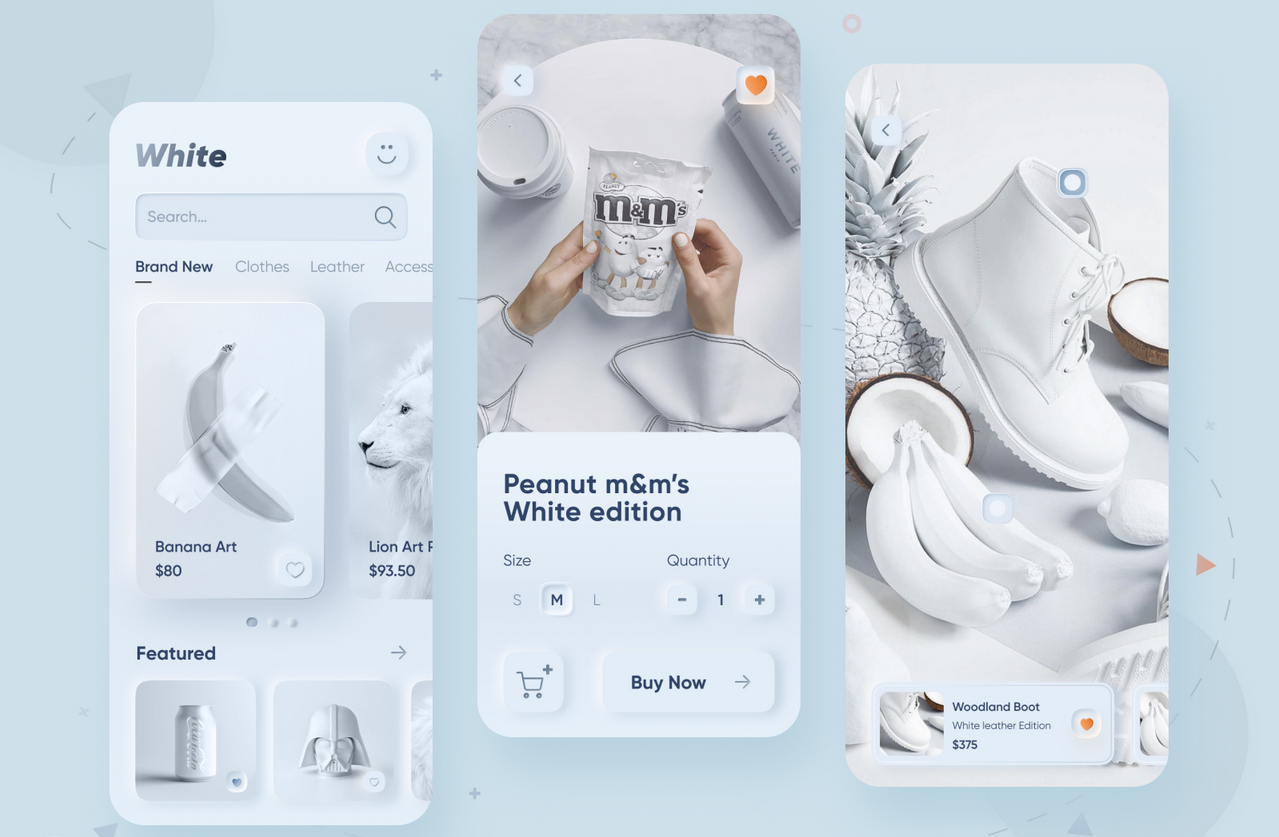
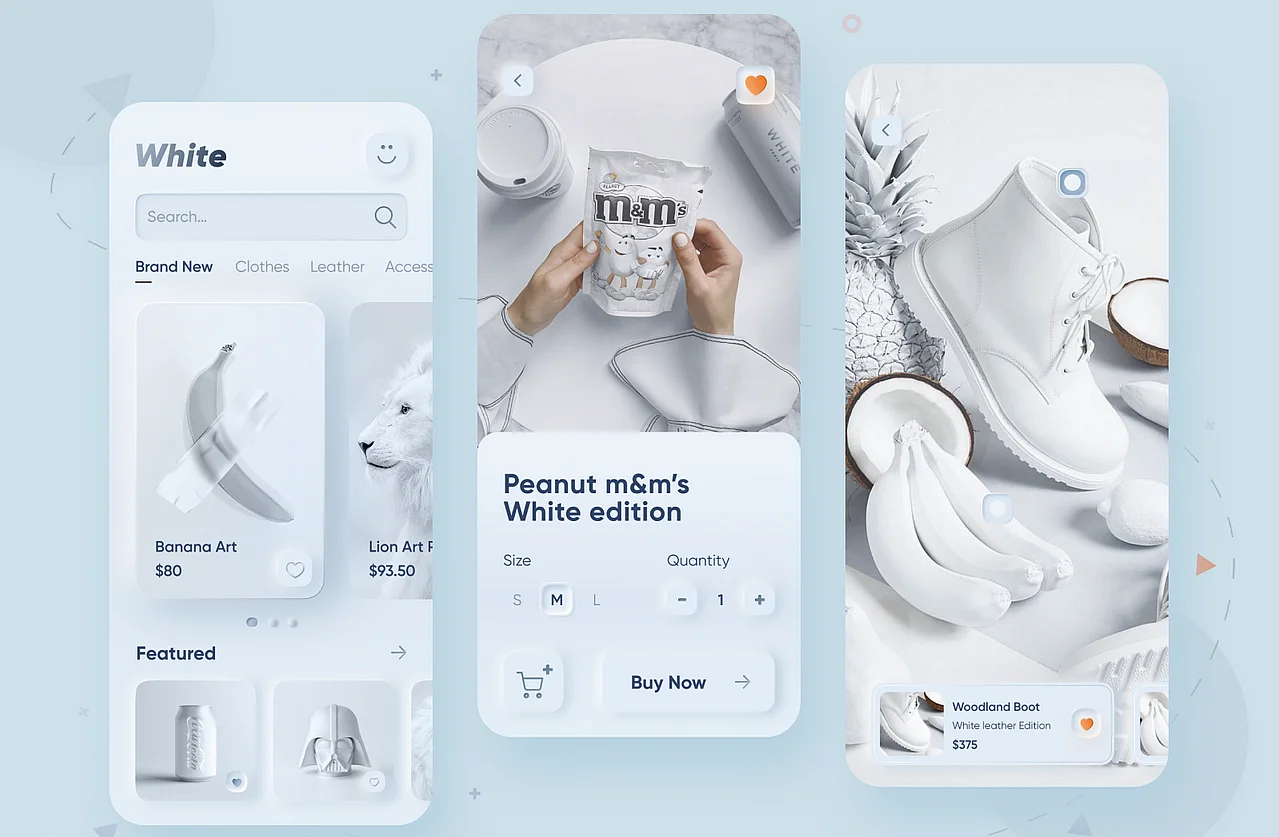
Neumorphism (also known as “new skeuomorphism”) brings a greater sense of realism to web designs that are often highly abstract. This modern design approach aims to add depth and visual interest to flat, card-based layouts. To achieve this effect, UI elements are styled with subtle light and shadow contrasts using CSS, creating a soft 3D appearance. As a result, elements appear to rise from the screen and, when selected, visually press back in — producing a more tactile and realistic user experience.
Despite its popularity, this design trend also has its drawbacks. Users with visual impairments may have difficulty recognizing the subtle borders and contrasts of neumorphic elements. As a result, the trend is increasingly evolving toward neumorphism with stronger contrast, improving both usability and accessibility.
Classic graphic design tools such as Adobe Illustrator are well suited for implementing this style. Alternatively, online tools like Neumorphism.io offer flexible options to help you apply the neumorphism trend in practice.
Because shading is the foundation of neumorphic design, this trend does not translate well to web applications or apps in Dark Mode. For this reason, it’s important to carefully evaluate which design approach is the better fit for your project.
- Intuitive website builder with AI assistance
- Create captivating images and texts in seconds
- Domain, SSL and email included
Scrolling design
Mobile devices continue to drive the shift from clicking to scrolling. While scrolling-based websites are nothing new, design concepts such as infinite scrolling and parallax scrolling remain especially popular and will continue to be a strong trend in 2026.
Infinite scrolling
When the end of an information section is reached, the next section follows immediately — this is infinite scrolling. Social networks like Facebook, Instagram, Reddit and Quora have long used this method to present content to users in a continuous news feed. “Endless scrolling” has also been part of blogs for some time, and it will continue to play a role in the future.
Infinite scrolling works particularly well for websites with a large volume of content. Website operators who want to adopt this trend in 2026 should ensure a search engine-friendly implementation. It’s essential to follow Google’s guidelines for infinite scrolling and pay close attention to the following aspects:
- Individual URLs for each subpage
- No overlapping content
- Users must be able to easily find the elements they are looking for
- Reasonable loading time
As a practical example of search engine-friendly infinite scrolling, Google highlights a demo website created by Webmaster Trends Analyst John Mueller.
Parallax effect
Parallax scrolling is not among the newest web design trends, but it is definitely one of the most popular. The motion parallax effect has been used as a building block of modern websites for several years. By having the different layers of the site move at varying speeds, it creates a depth perception effect.
Ideally, the website offers not just the motion effect but also elements that prompt the visitor to take action. Parallax scrolling can be excellently combined with interactive storytelling.
In 2026, websites are also increasingly using parallax zoom scrolling. Instead of relying on vertical or horizontal movement, this technique creates a zoom-in and zoom-out effect as users scroll. The result is a more immersive experience that feels like taking visitors on a visual journey.
Performance remains important
More of a fundamental principle of well-designed websites than a trend, speed is becoming increasingly important. This is partly due to the mobile revolution; after all, website owners want their sites to be easily and efficiently accessible on mobile devices. The faster websites load, the better the user experience. The trend continues in 2026 to enable faster website use by extensively implementing lazy loading.
Certain web design trends support this goal as well. For example, minimalist design largely avoids memory-intensive media and instead relies on formats that reduce resource usage. “Long-scrolling” websites place all essential information on a single, continuous page, meaning only one page needs to load instead of multiple subpages. In a similar way, the use of white space reduces visual clutter by omitting unnecessary elements that could otherwise slow down page loading times.
Many design trends in modern web design, such as interactive animations, capture attention and (when used effectively) enhance information retention. However, elaborate website designs can often negatively impact performance. Web designers must carefully consider which multimedia and interactive elements add value and which merely slow down the site unnecessarily. In general, less is more—though this doesn’t necessarily mean a return to flat design.
The performance of a website directly impacts the user experience. It’s important to distinguish between actual and perceived load time. Delays are only problematic if users notice them. Various measures are employed to mitigate longer load times, including:
Progress indicator
If visitors have to wait, they should at least know how long. While a progress bar doesn’t reduce loading time, an engaging design can make the wait feel shorter. Since faster internet speeds have lowered users’ tolerance for delays, clear feedback helps prevent visitors from leaving the page prematurely.
Load key elements first
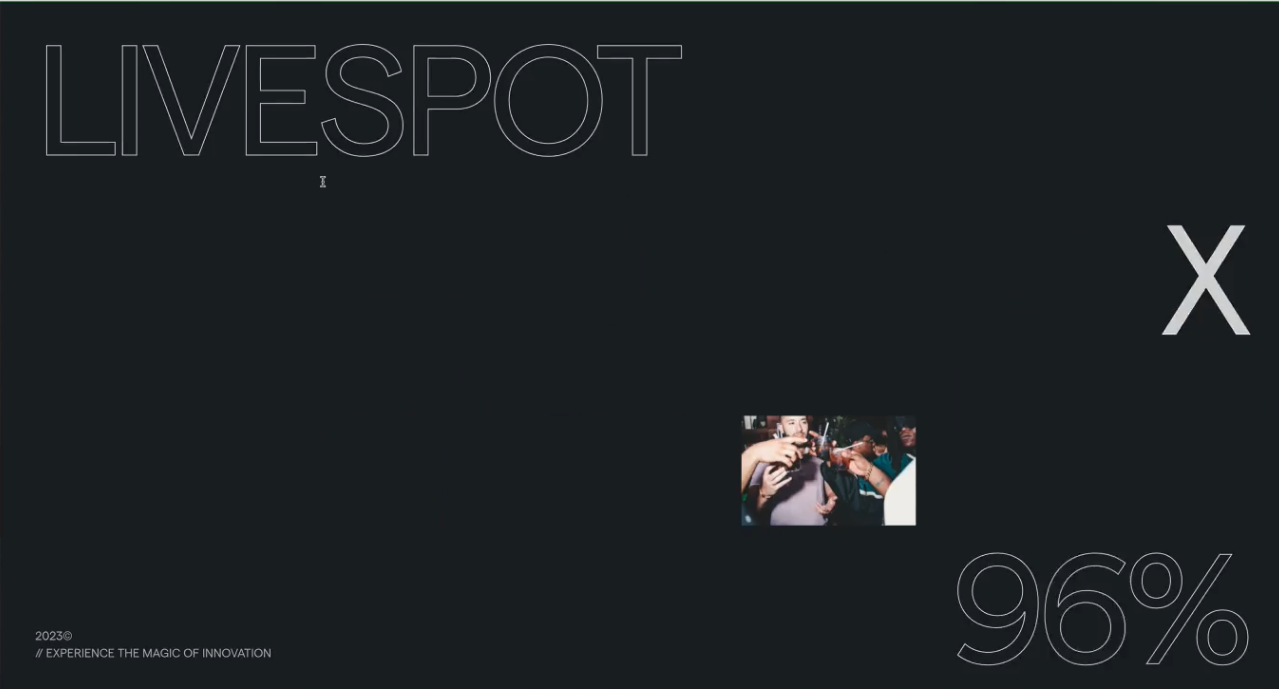
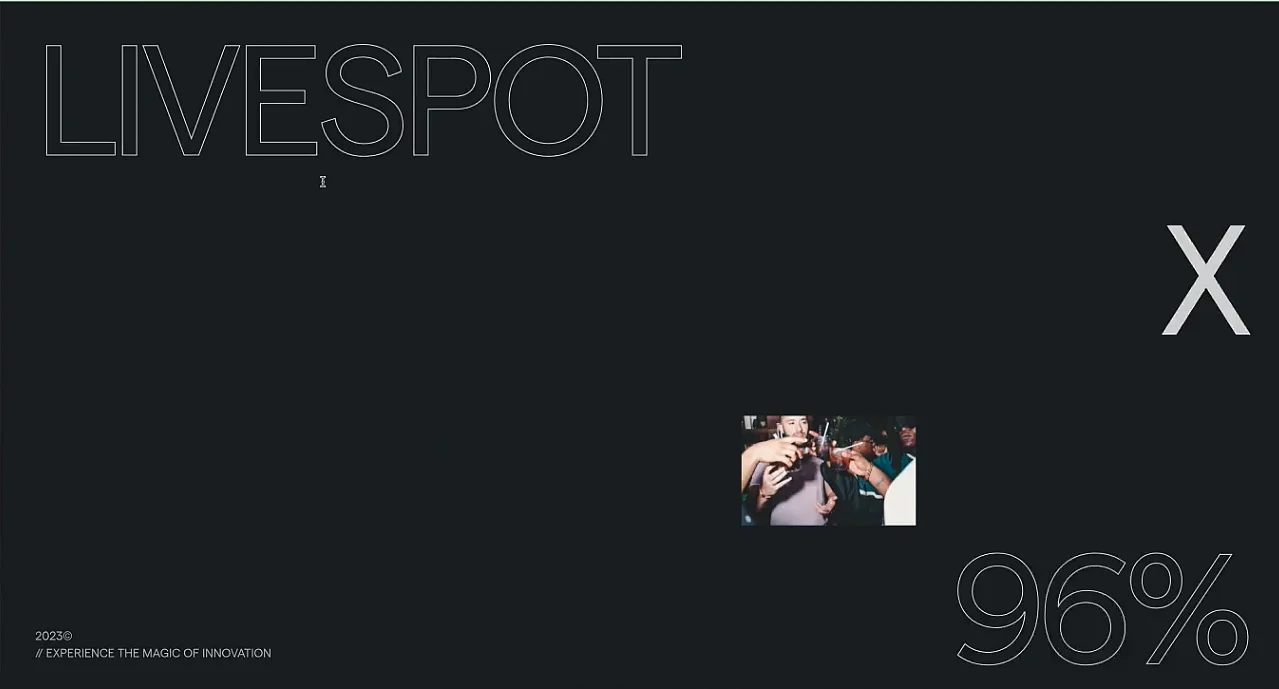
Websites should be programmed to retrieve and display “above the fold” content first. These are the parts of the page that are visible without scrolling. Once this content is available, it is initially irrelevant to the user whether additional content (“below the fold”) loads later.
Progressive JPEG
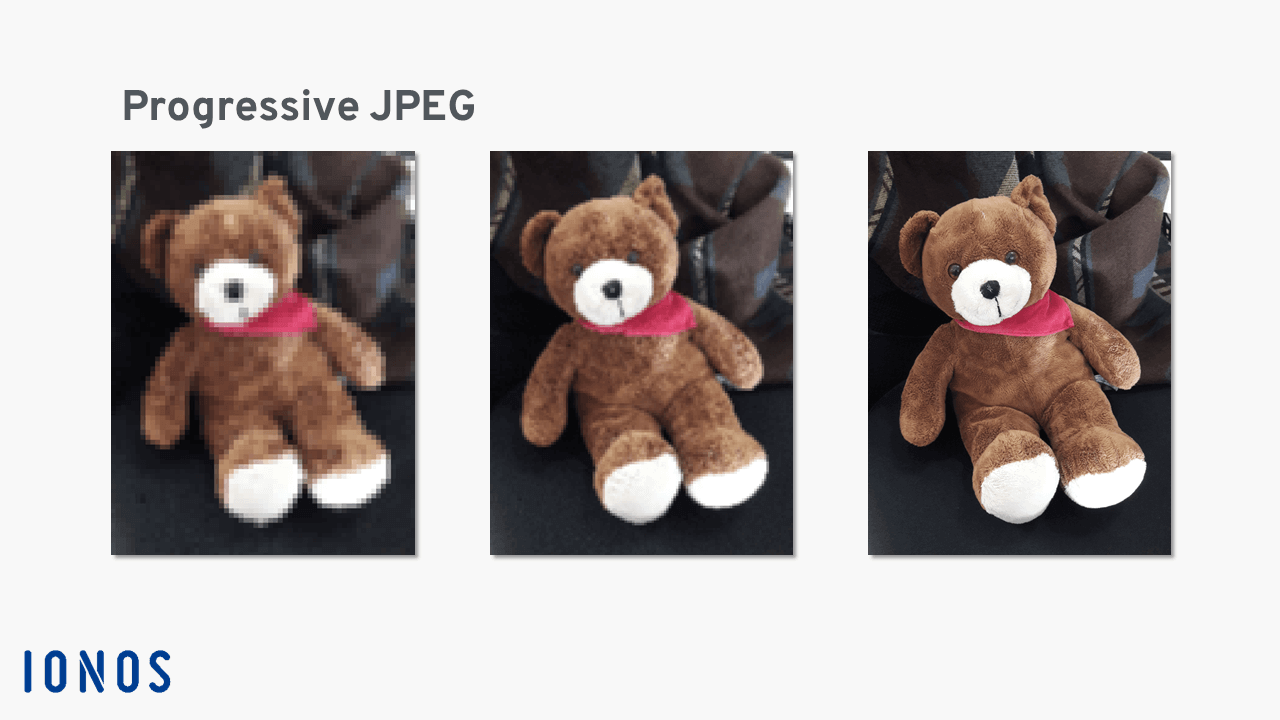
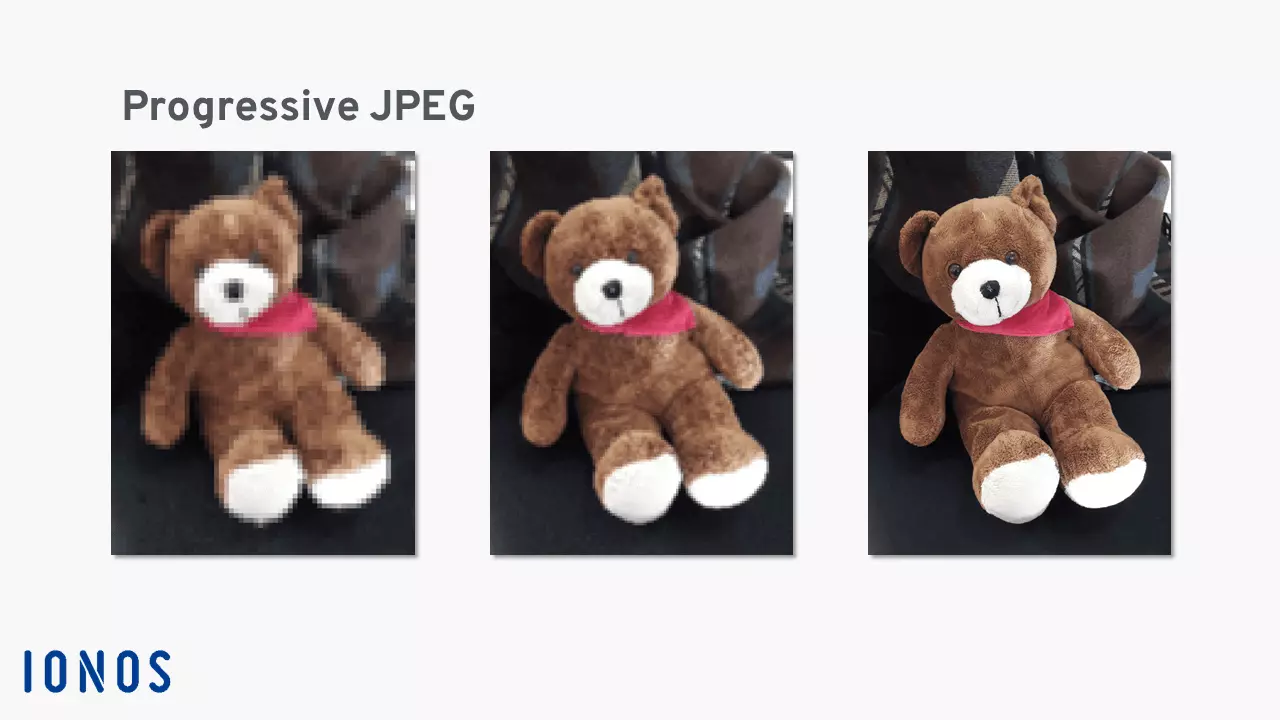
Images embedded as progressive JPEG do not load from top to bottom in final resolution. Instead, the interlaced method is used. This means that users first see a low-quality preview, which gradually improves as the data for the desired image quality is fully loaded.
WebAssembly
Web applications have become an integral part of the modern browsing experience — and for good reason. Using JavaScript, users can interact directly with websites, which significantly improves usability. However, many web applications can impact performance. With WebAssembly (Wasm), a newer technology has emerged that enables near-native execution speeds in the browser thanks to precompiled code.
Personalized user experience
The targeted presentation of web content is a core principle of modern web design. Especially in e-commerce, content selection and presentation should be closely aligned with the needs of potential customers. While earlier approaches focused on broad user groups, in 2026 the emphasis is increasingly on the individual user — and with it, on more personalized and goal-oriented user experience design.
A continuing web design trend in 2026 is the personalized website, where content is tailored to visitors based on their behavior and usage patterns. The data foundation for such personalized user interfaces comes from web analytics tools like Google Analytics or Matomo, which provide content creators with detailed insights into how users interact with digital content.
- Stress-free, no matter your skill level with easy AI tools
- Fully customizable with themes and plugins
- Hassle-free updating and less admin
Virtual and augmented reality via WebXR
In recent years, a growing number of smartphone apps have adopted augmented reality (AR) not just as a playful feature, but as a practical tool. By blending the real environment with digital elements, users can plan interior layouts or try on clothing virtually. The web is now following this development as well. With WebXR, the W3C has introduced a modern interface that replaces the previously limited WebVR technology and enables browsers to display both VR and AR content directly.
If you have a VR headset, a website that is programmed accordingly can be visited in three dimensions. You move back and forth between menu items and content just like in a room. This could be particularly interesting for the e-commerce sector in the future. Online shops can thus get a little closer to the in-store experience.
Advancement of chatbots
Tools designed for communication tasks are not new. Chatbots, which originate from the field of artificial intelligence (AI), are already widely used on company websites and in online stores. They typically appear as small chat windows that receive user questions and deliver automatically generated responses.
Chatbots can be personalized thanks to machine learning-algorithms. This gives users the impression that they are interacting with a real person. AI chatbots are primarily used as virtual shopping assistants or as an alternative to traditional FAQ sections.
Socially and ecologically motivated designs
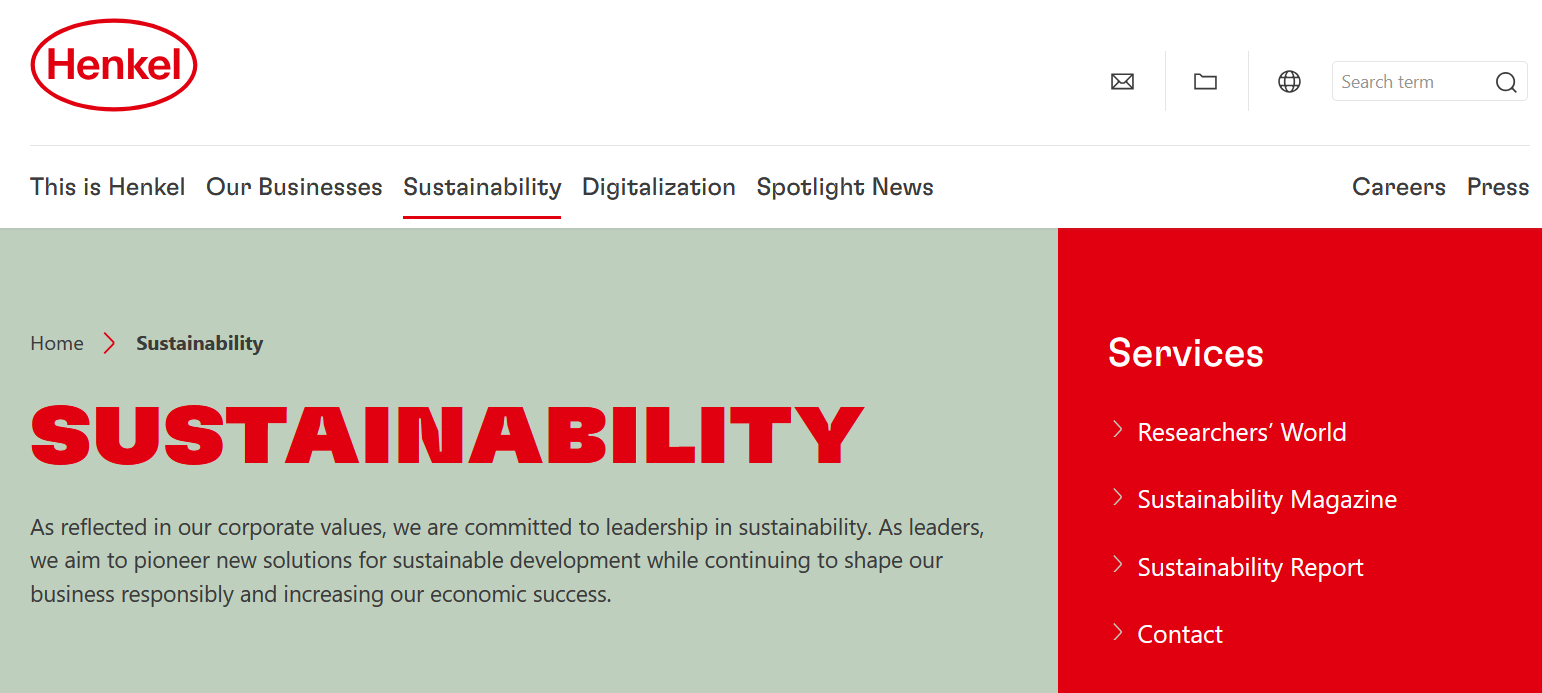
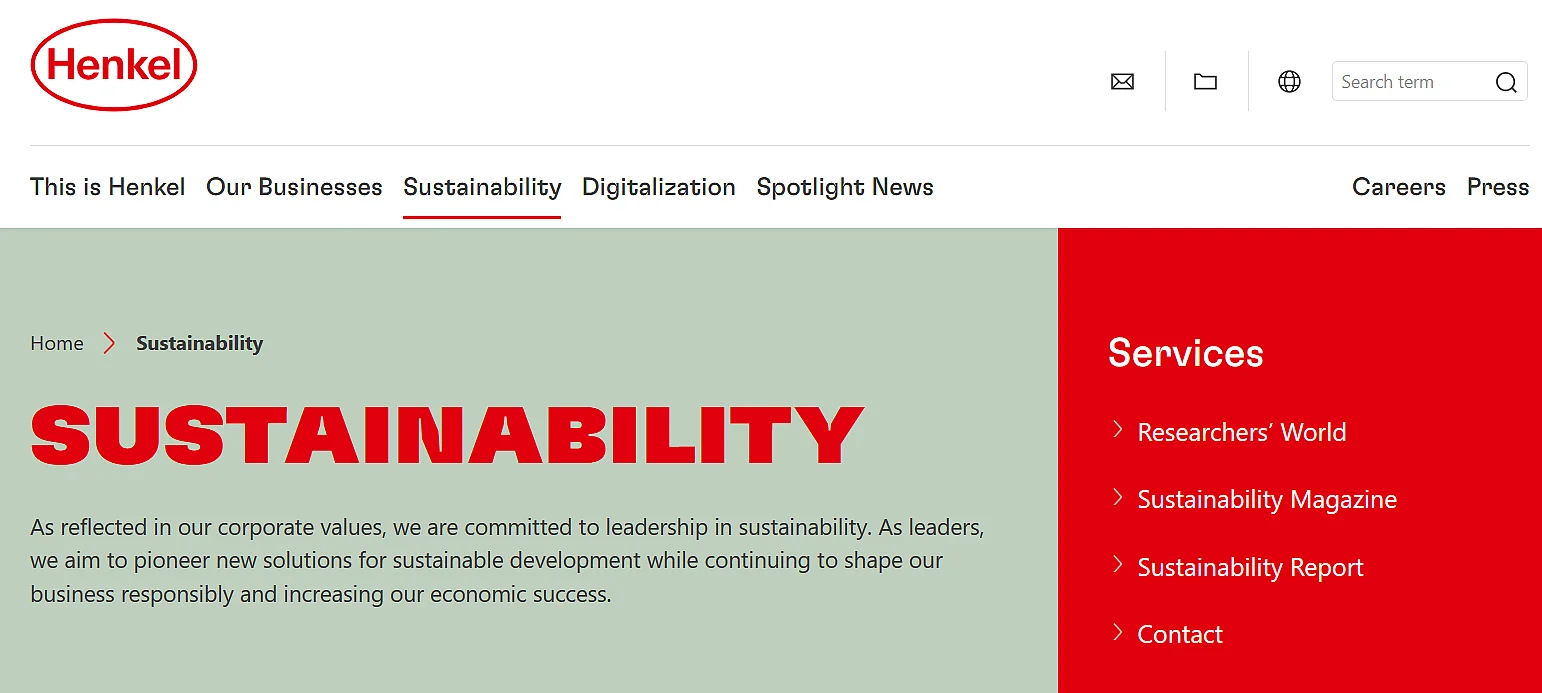
Social and environmental issues have become increasingly important in recent years. As a result, more companies are choosing to engage with their audiences in a deeper and more authentic way. The need for active participation on the web has grown — whether through social media channels or a company’s own website.
Environmental initiatives and social commitment are no longer just side notes — they now play a much more influential role in web design than in previous years. This shift is reflected in prominently placed images, videos, visualizations, and even simulations, as well as in design concepts that are closely aligned with a company’s values and initiatives.
Micro-interactions
Micro-interactions are a growing trend in UX design, where specific user actions are enhanced with subtle animation effects. This might be a like button that responds with a short motion animation or a smartphone that provides tactile feedback through vibration. For UX expert Dan Saffer, it’s precisely these small details that shape and define the overall user experience.
Examples of successful animations that can be used to implement micro-interactions can be found on Awwwards.com or Dribbble.
What does web design mean in the year 2026?
Web design in 2026 places a strong emphasis on accessibility while also embracing visual individuality and entertainment. Elements such as 3D effects, interactive animations, and bold typography are increasingly shaping the look of modern websites. At the same time, accessibility remains crucial so that all users can easily understand the content and move through the site without obstacles.
In addition, current developments continue to build on the mobile-first approach of recent years. Websites are expected to become even more efficient and intuitive to remain competitive in the digital landscape. Thanks to improved technical foundations, it’s now possible to implement bold and creative web designs without compromising performance.
User-friendliness, also known as usability, remains a top priority in 2026. One of the main drivers behind this trend is the continued importance of responsive web design for mobile devices. It emphasizes technical flexibility while adapting content and functionality to the user’s specific device.
Modern web design therefore means that a website responds smoothly to different screen sizes and usage contexts. Responsive design is deliberately future-oriented, allowing websites to adapt reliably to new or previously unfamiliar devices and systems. At the same time, web designers are no longer building solely for browsers. Many well-known providers now support more convenient mobile experiences through dedicated apps.
Several familiar buzzwords will continue to shape web design in 2026. One of them is the Internet of Things, which reflects the growing digitalization of everyday life and creates new opportunities for user interaction. Another is the rapid progress in AI research, which is driving increasingly sophisticated automated web services. In addition, interactive 3D elements as well as virtual and augmented reality features are being integrated more deliberately, making websites more engaging while adding strong visual highlights.
Established trends and countertrends in web design
Web design trends almost never exist in a vacuum; they have neighboring trends as well as countertrends that steer a specific design element in a different or even opposite direction. Sometimes, countertrends develop as a reaction to particular trends as they become more apparent. Often, adopting a countertrend is a strategy to stand out in tomorrow’s internet landscape today.
| Trend | Countertrend |
|---|---|
| Stock images, professional pictures from stock agencies that can be integrated into various websites; a secure way to embellish your website. | Individual or authentic images that radiate closeness and show people or businesses as they truly are to engage website visitors in the most personal way possible. |
| Symmetrical shapes, box forms, “flat grid,” e.g., strictly horizontal-vertical designed websites that are very easy to navigate and efficiently used; these pages adhere to the proven and familiar rectangular nature of HTML and CSS. | Asymmetrical shapes, experimental designs, “broken grid,” innovatively designed web interfaces that break with common conventions to stand out through individualism and playfulness. |
| One-page designs, where all important information is presented on a single page to save visitors as many clicks as possible (preferring scrolling over clicking); particularly, standard layouts are emerging for digitally operating companies. | Web nostalgic design trends that aim to return to the principles of internet interfaces from the 2000s (“web brutalism,” minimalism, text-based) or technically innovative menu bars and buttons that remain necessary for website navigation but aren’t cumbersome on mobile (hamburger menus, micro-interactions). |
| Colorful designs and bold complementary colors that give a website a specific flair; this includes intentionally used color symbolism or association (blue for digital products, green for charitable organizations, pink for cosmetics, etc.) to subconsciously color the page for users. | Color minimalism and plenty of white space to distract as little as possible from the communicated information; strictly two-tone websites (“duotone”) focus on user-friendliness and avoid complex color designs. In contrast, more attention is often directed towards brands and symbols. |
Achieve Success with Web Design Trends
The web design trends of 2026 are diverse, ranging from individual looks to interactive highlights. 3D worlds and striking typography transform websites into digital eye-catchers, while animations and scrolling effects breathe new life into the sometimes very abstract online realm. Additionally, aspects like accessibility, high website speed, and optimal cross-device display are of particular importance this year.
Modern web design offers new opportunities to create websites that invite users to linger—without being overwhelming. It’s important to remember that even though trends evolve and new techniques emerge, the user will always remain the focus. Therefore, the presentation should always fit the target audience and the content offered.
If you are currently building a website or updating an existing one, you can find inspiration in some of the web design trends 2026. This way, you can prepare your online presence for the demands and expectations of tomorrow.
Reviewer

Melissa Senn
Melissa Senn has been with IONOS since 2016 and focuses on website, e-commerce, social media, and AI in the Digital Guide. As a digital strategist, she uses her extensive SEO and GEO experience to transform complex technological trends into practical content.