Cafes and restaurants on Instagram and Facebook

Most of the hospitality industry is dependent on physical presence. Despite the digitalization of local businesses, people prefer to sit in a cafe, restaurant, or bar and enjoy food and drinks with other people. This does not mean, however, that a restauranteur should side-line the Internet. In addition to an own website and an entry on Google, social media, especially Facebook and Instagram, play a major role in business – because you reach people where they are active already.
The corona pandemic has also severely affected the restaurant industry. Lockdowns, distancing rules, and limits on the number of guests have forced many cafe and restaurant owners to find creative solutions. Take-away and delivery services help pick up some of the lost sales. You might have seen a more diverse menu or clever outdoor seating arrangements. Social media plays a major role in this. If you want to draw attention to your business, Instagram and Facebook are the right places. In addition, social commerce features on social media can also help increase sales.
- Simple registration
- Premium TLDs at great prices
- 24/7 personal consultant included
- Free privacy protection for eligible domains
Advantages of social media for the hospitality industry
Many companies already have their own presence on Facebook and Instagram. In most cases, the business profiles are used to serve as a point of contact for those looking for the business. Restaurants and cafes can also make good use of this user behavior, and by having a social media presence, customers can follow your business and get in touch.
Setting up a Facebook page for businesses is relatively easy. First you need a private profile, then you can create a page for your restaurant or cafe. With Instagram, the step to a company profile is similar: first you create a private account, then you convert it into a professional account.
Information
Although search engines such as Google are still the first choice for finding information about a company, social media platforms are also increasingly being used. Restauranteurs should not give this opportunity a miss, but should create a strong social media presence as best they can.
Facebook offers restaurateurs the opportunity to store a lot of essential information:
- Opening times
- Address
- Contact information
- Prices
Facebook also has various templates for business owners, which adapt the look of your business on Facebook perfectly to the industry you’re in. In the page settings, you will find the menu item “Templates and Tabs”. There you will find the option “Restaurants and Cafes”.
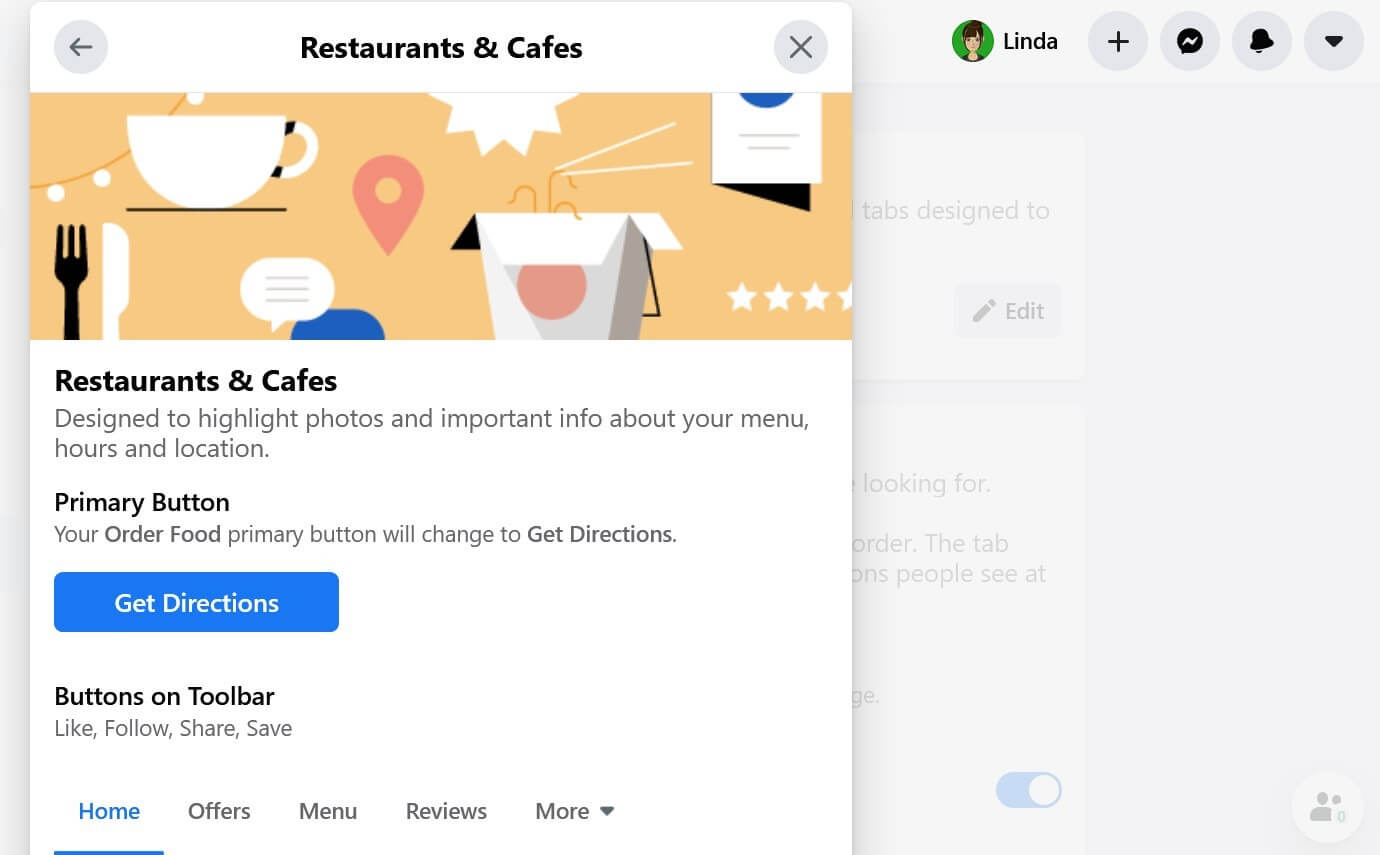
This way, visitors have the most important information at a glance. Instagram, on the other hand, offers far fewer possibilities for these kinds of details. Here, you’ll only get a short bio for your company. The biography should therefore be used for the most important information and include a link to the homepage of the restaurant or cafe.
Even with a good social media presence, you should also have your own homepage, which serves as a hub for your entire online presence. So, if you don’t yet have a homepage, you can easily create your own cafe or restaurant website. This can be done easily and without the need for techy-know how, thanks to IONOS’ website builder.
Communication
Hospitality business owners can also share information very quickly and easily via social media. A post can be created in a few seconds and shared with all your followers. You can inform lots of customers about your news in a very short time. Whether a new menu, changed opening hours, or special events, all these things can be shared via Facebook and Instagram.
Those who want to share more text-based information will do well with Facebook. Longer texts can also be published on this platform. Nevertheless, attaching a picture to detailed texts helps a lot, as this will attract more attention from online customers.
Instagram, on the other hand, is the perfect place to present colorful pictures of your food. Photos of delicious meals, baked goods, or elaborate cocktails are very popular on this platform anyway. If users like the pictures, they may also follow the profile and consider paying a visit or making an order.
If you would like to share more information on Instagram, you can place the extra information as a caption to the picture. You can avoid this getting overlooked by including text in the pictures you post. The space is limited, but at least you can present your information well!
Moreover, communication in social media should not be a one-way street. Users have the opportunity to interact with you through comments under posts or via direct messages. As a restaurant or cafe, it’s worthwhile to respond to feedback and questions in order to strengthen customer loyalty.
Presentation
Gastronomic enterprises can also use their presence on Facebook and Instagram to show off a certain ambience, style, or company philosophy. This is possible both in the way texts are written and in the choice of images that are posted. The tone of a written text – for example, how humorous the texts are – also gives readers a good impression of the atmosphere on site.
Pictures are perhaps even more important. How you present yourself on social media is how you are initially perceived. Whether the food, the premises, or the team, customers will enjoy seeing photos (and possibly also videos) to get an idea in advance of what to expect.
Product photography for restaurants and cafes goes beyond taking a few simple snapshots. Food and drinks must be presented in an appetizing way, showing not only the menu, but your atmosphere, too. If you don’t want to hire a professional to do this, you have to take time and follow a few basic guidelines.
Corporations and large companies attach great importance to corporate identity. Corporate identity will always be a deciding factor when it comes to design. Small restaurants and cafes do not necessarily have to go to this effort, but it can make sense to have a uniform appearance on different media channels. This also applies to Facebook and Instagram – both in the design of the profile and in the posts.
Selling on social media: what’s possible for cafes and restaurants?
Both Facebook and Instagram now have special functions that are designed to boost sales. Fashion labels and tech manufacturers in particular have already made use of these features. But cafes and particularly restaurants can also use Facebook and Instagram to boost sales.
Buttons to make reservations and orders
With an eye-catching button, right at the top of your profile, you’ll be able to highlight the possibility of ordering or making a table reservation online.
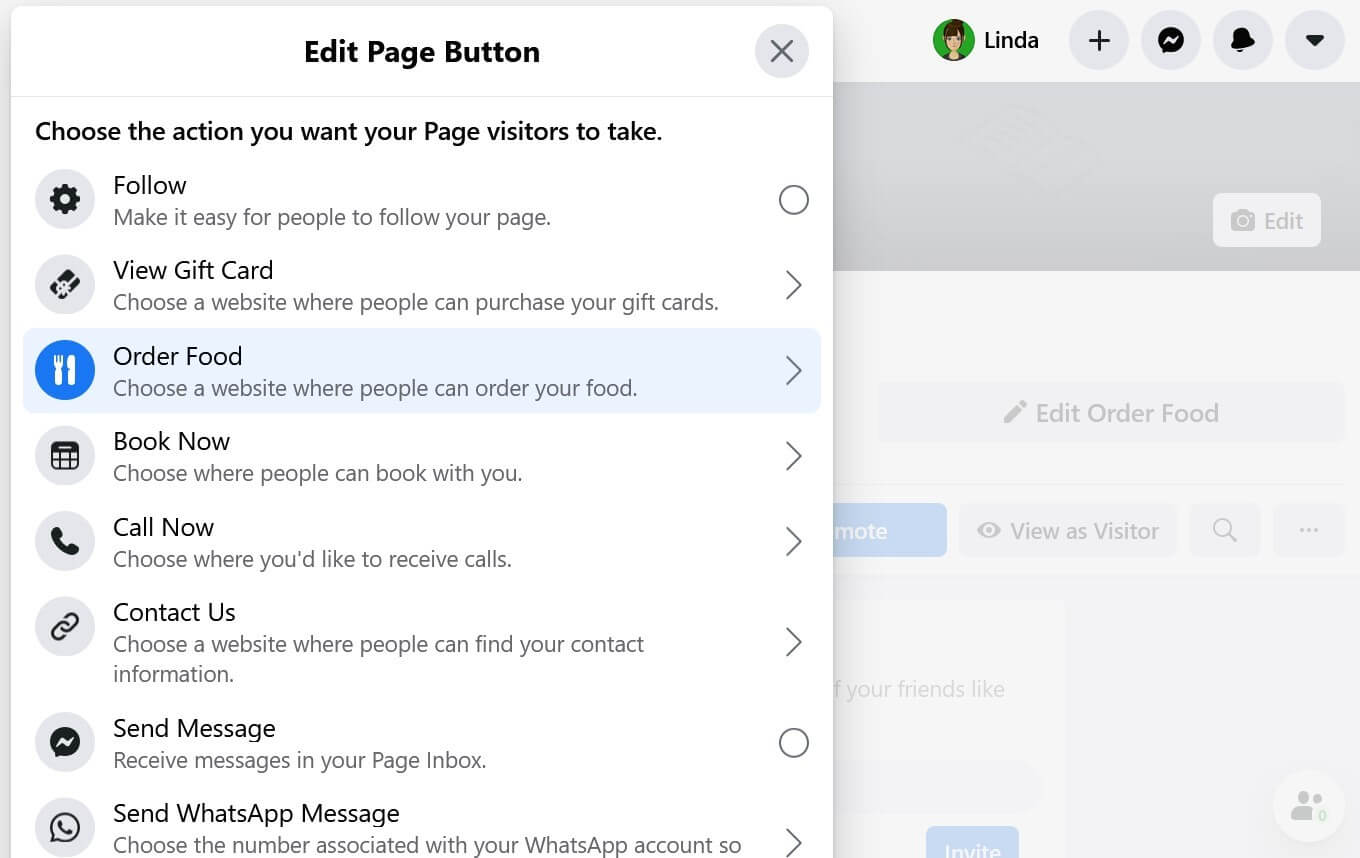
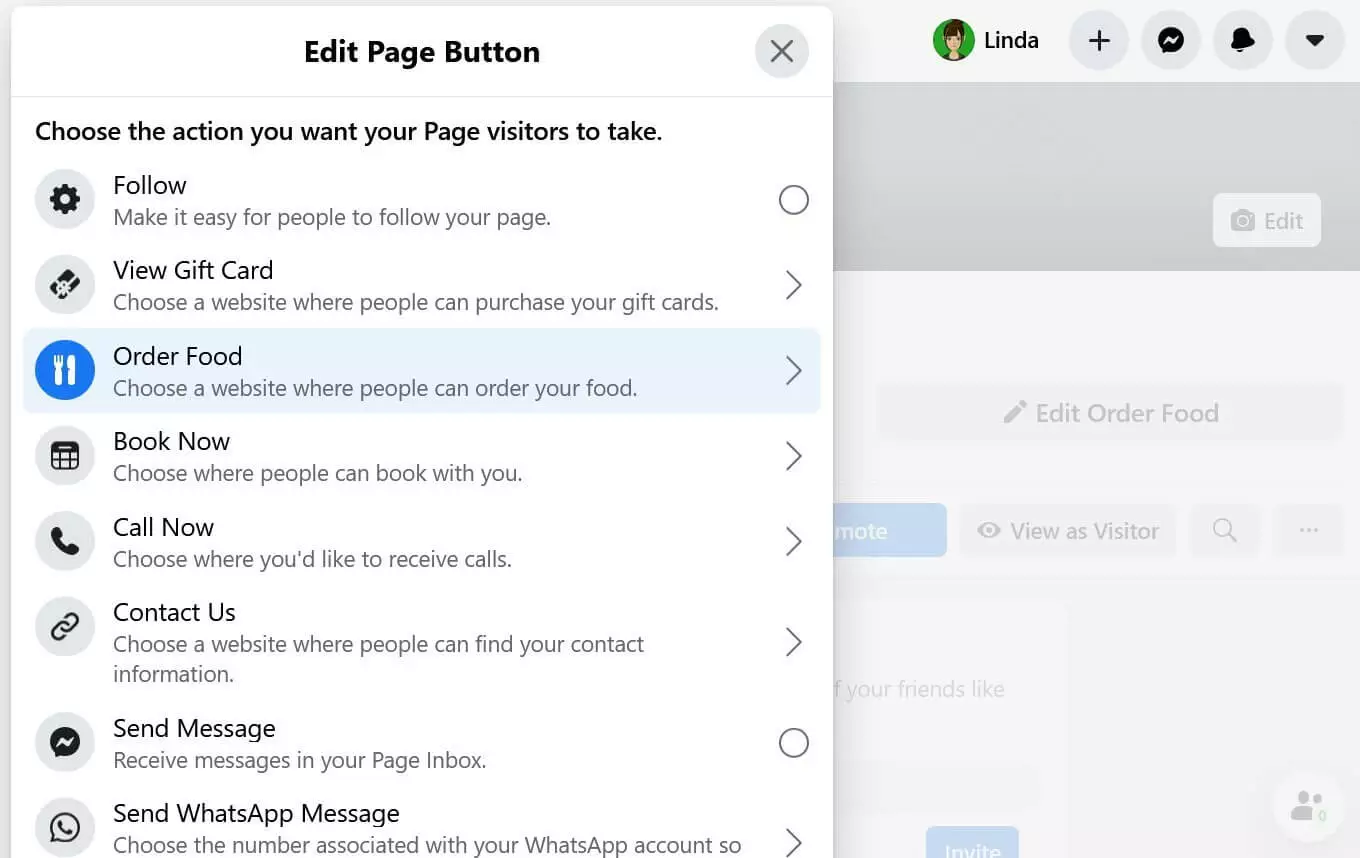
Which function the button has can be set in the Facebook page settings. The button is then also labeled to suit what you want it to do (“Order food”, “Reserve table”), but will link to an external page. You can either connect Facebook to your own website or integrate another service provider who will then take care of the order or reservation.
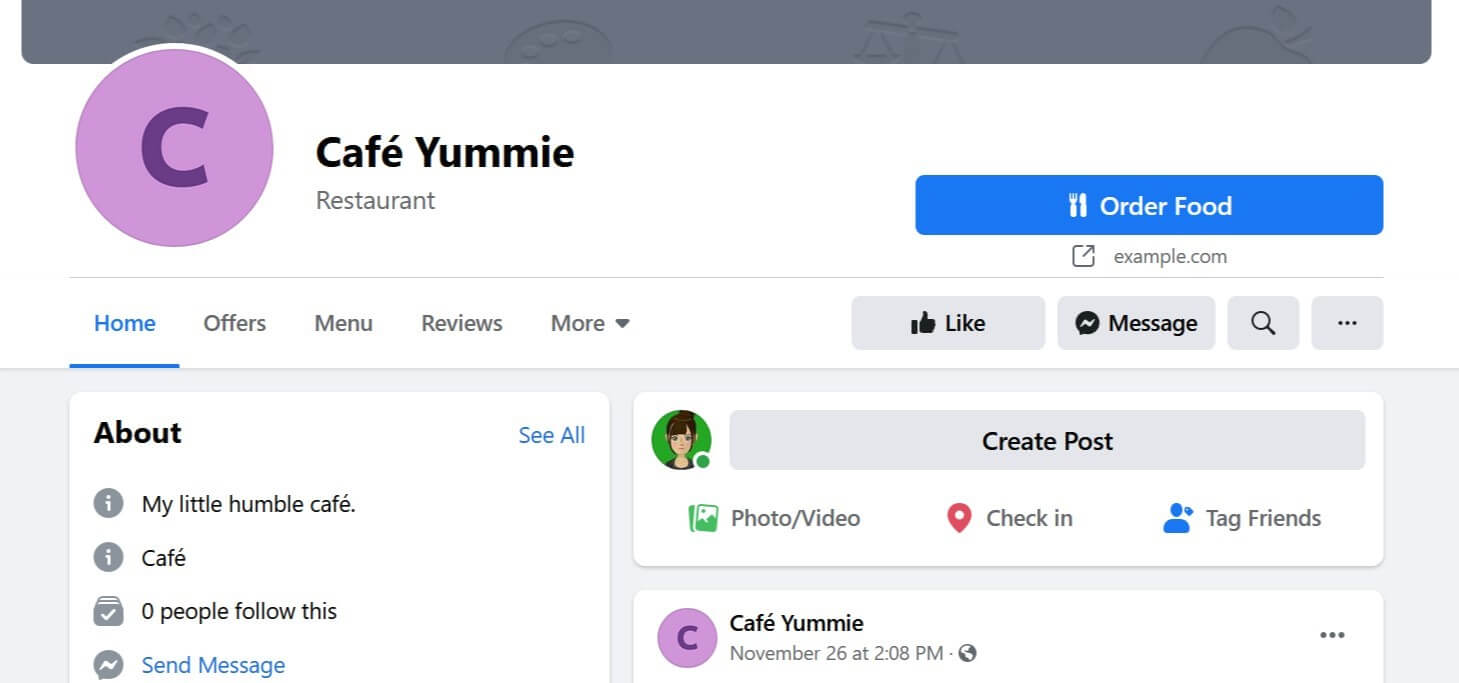
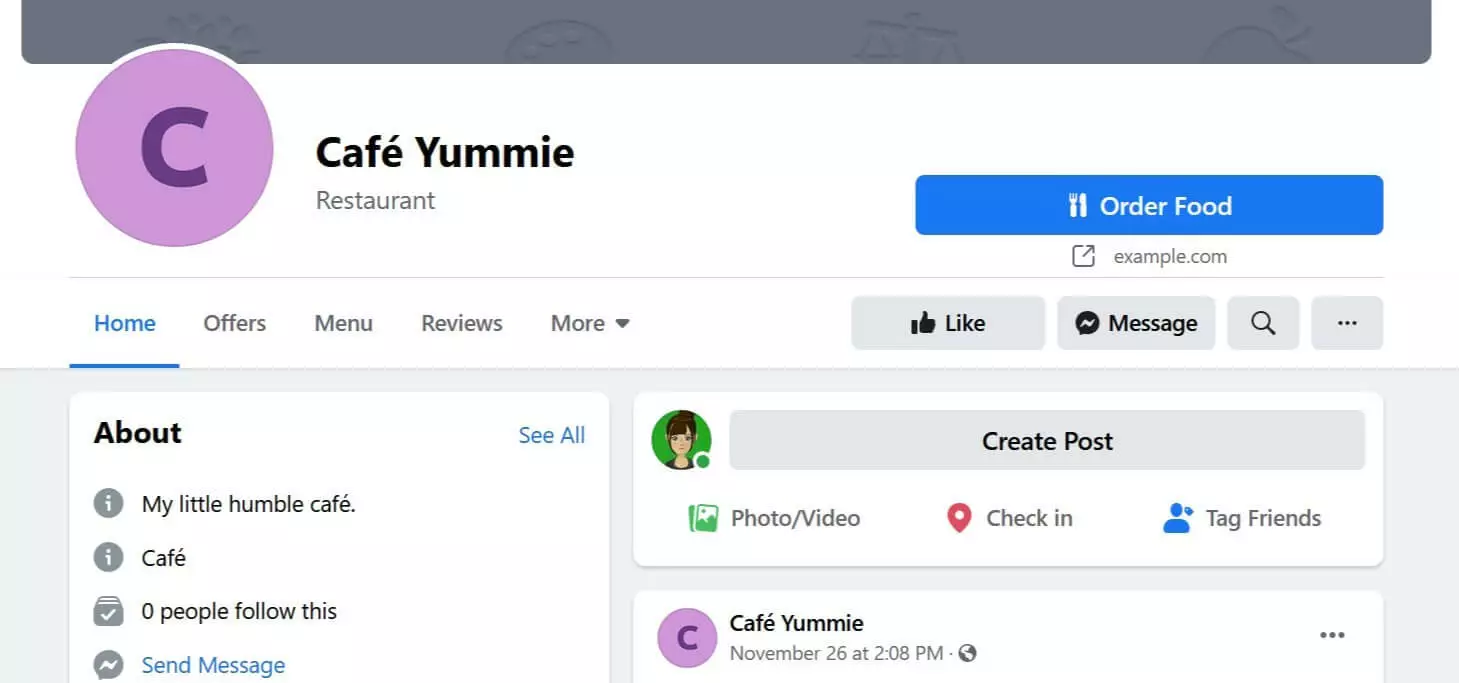
If you don’t use an online system for orders or reservations, however, you can also make use of the button. In this case you should set the button up so that people can contact you easily. One click opens Facebook Messenger, for example, or you can send a message directly via WhatsApp. This is another way to take orders.
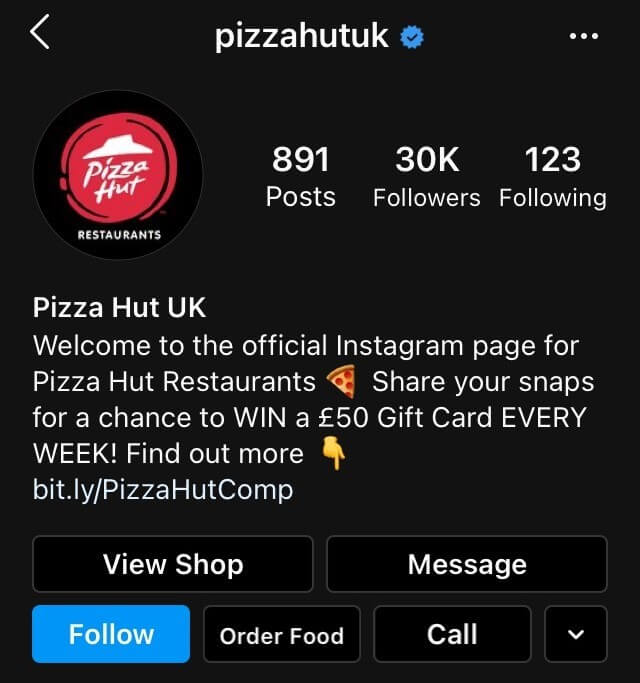
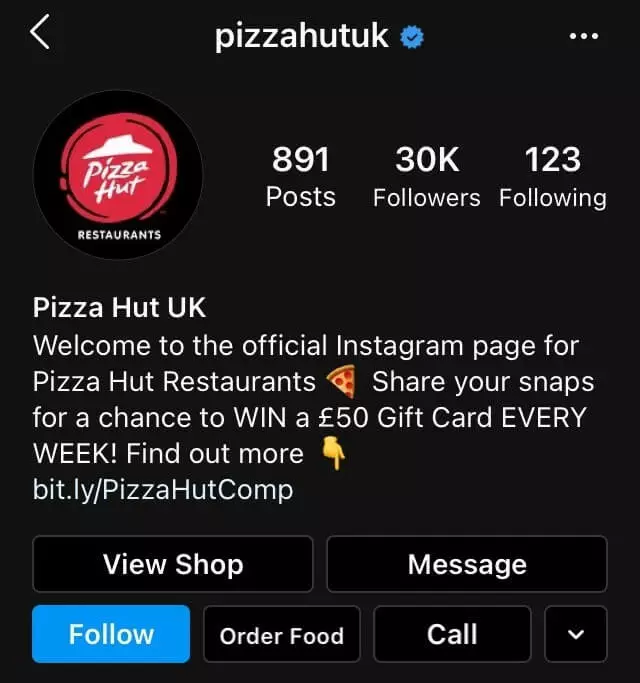
Instagram also offers the option of adding a handy button. In addition, the Stories function of Instagram is often used to link to your own website or an online store. For example, you can emphasize your best dishes and offer followers the option to swipe-up to get to your ordering page or contact page.
- Sell on social media in minutes
- Manage it all from one platform
- Works with any product or service
Instagram shop
To create a store on Instagram, you first need access to the Business Manager in Facebook. Then the product catalog can be created via the Catalog Manager. After the profile has been checked, your product range can be transferred to an Instagram store.
Menus on Facebook
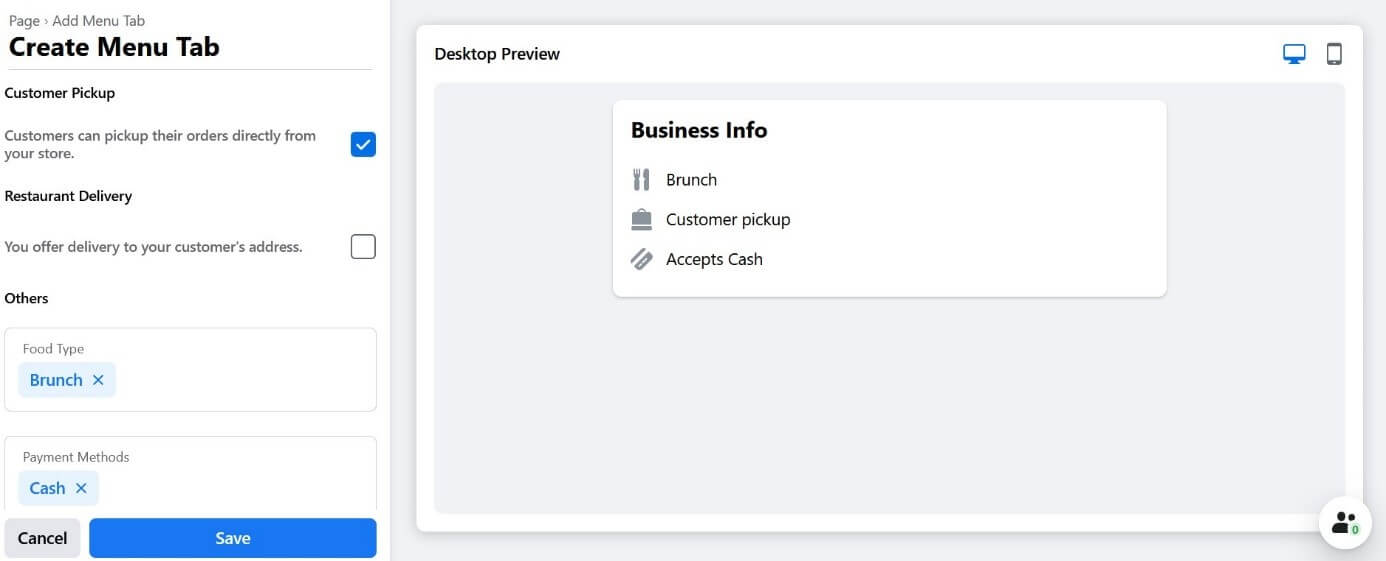
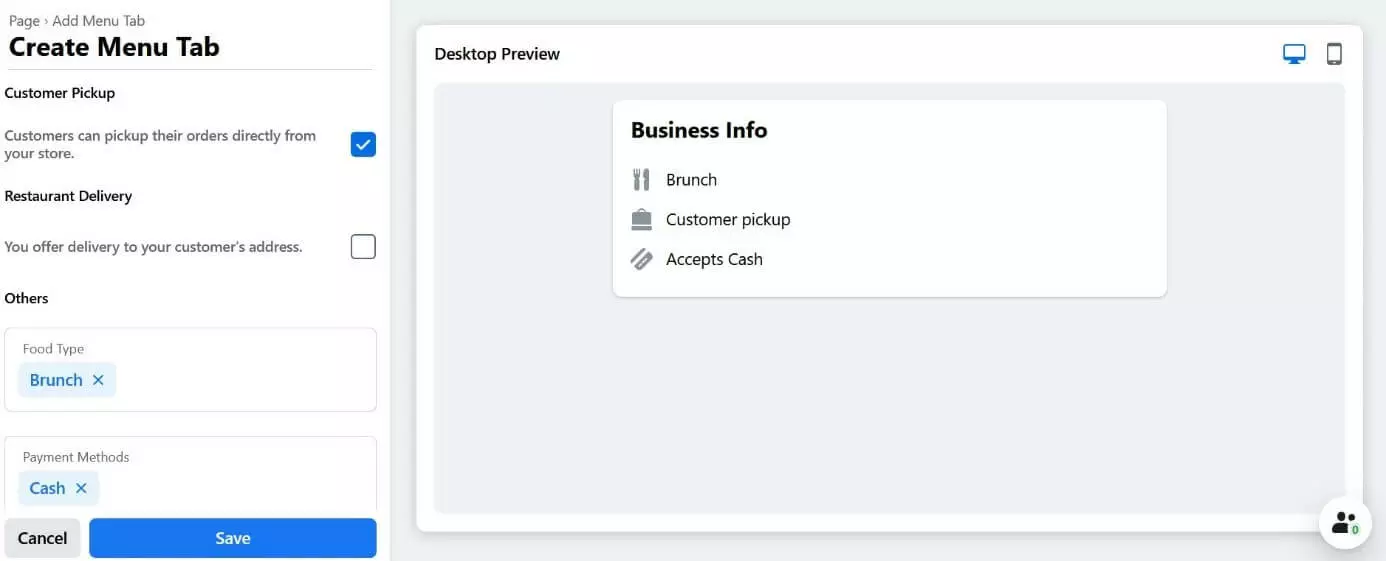
Since Facebook can also be specially adapted to the needs of the hospitality industry, it’s not surprising that the social media platform has integrated a function for menus. You’ll find it via the page settings. You can then add photos of individual dishes. In the description, you can link and describe your offer further. Facebook also offers the possibility to enter more details about your cuisine, the payment method, and the option for delivery or collection.

Delivery and collection
Once the order has been completed, it will either be brought by an external delivery service or driven directly to the customer’s home by the restaurant’s own service. The click & collect method for restaurants is becoming increasingly popular. Here, the customer orders their meal and then picks it up in the restaurant. This saves the restaurant or the customer delivery costs. Most customers pay when ordering, so you don’t risk making food without people collecting and paying for it.
Restaurants and cafe owners have various options at their disposal as to how their food or drinks can be delivered:
- Own delivery service: It may be worthwhile to carry out the deliveries yourself or to ask your own staff. This way, you’re not dependent on another service provider.
- External delivery service: On the other hand, there are several service providers who can take over the delivery for you. They pick up the order and then deliver it to the customer.
- Click & collect: With this method, customers pick up their order themselves, saving themselves or the restaurant the delivery charges.
All these possibilities can be easily put into place by using appropriate links on Facebook and Instagram.
Social selling is also interesting for other industries. We’ve got a few more articles for those interested in maximizing sales on social media:
Setting up ads on Facebook and Instagram
With paid ads on Facebook or Instagram, you can draw even more attention to your restaurant or cafe. While you can hope to go viral, you shouldn’t count on it either. A safer option that is also easier to control is to set up ads in social networks, with a strategy called social media advertising.
Because Facebook and Instagram have a lot of information about their users (e.g., approximate location or specific interests), ads can be targeted very accurately to the right audience. There are also special categories for restaurants and cafes that make targeting easier. Not only the target group, but also their budget can be precisely understood. When creating the ad, you specify how much the daily budget would be. At the same time, the platform will provide information about an approximate range. This way, you can estimate how successful your ads will be with the given budget. The campaign then runs for one week, unless you change it.
Since Facebook and Instagram are part of the same media group, ads can also be distributed across both platforms. In fact, it is required that Instagram ads have a linked Facebook profile. Only then will it be possible to use the various advertising functions within Instagram. This can be really useful because business owners can increase the reach of individual posts or place ads in the stories via Instagram.
Measuring success in social media
For restaurants and cafes, as for most companies, sales and profits will be the deciding factor as to whether social media will continue to be a good sales method. However, financial success rarely happens overnight and your activity on social media might take a while to get noticed – but it won’t be in vain. As with many advertising measures, social media marketing is a long-term success strategy, and not about instant results. Whether this will be achieved can be analyzed with particular features of social media platforms, which we will now look at.
Followers
Followers (sometimes also called “fans”) are the people who follow a channel or profile. In other words, users will have activated a form of subscription, in a sense, and get any new posts from the company displayed on their feeds. This helps reach an audience directly and quickly. Since this gives you a relatively secure following, you should keep an eye on the number of followers. If the number of followers drops significantly, adjusting your strategy may be wise.
Reach
Social media posts can also be seen by people who do not actively follow your profile. For example, users can see posts because they are shared by other members on the social platform. This is called organic reach. This is a great indication of how well your content is being received.
In addition, there is also a reach that is created by advertising. For a fee, the platforms promote these posts to a specific target group. These two forms of reach can only be compared to a limited extent.
Reach gives you hardly any information about the extent to which users have actually noticed your content. Just scrolling past a promoted post counts towards range numbers.
Interactions
Facebook and Instagram are not one-way streets; information isn’t just posted from one side. In the best-case scenario, users on social media also interact and communicate with companies. Interactions can take the form of comments, but liking and sharing posts are also part of the engagement rate. Anyone who interacts with a post has also, most likely, taken note of it. Therefore, the number of these kinds of interactions is probably even the most important indicator for how well your company is doing on social media.
These indicators of success in social media should always be observed over a longer period of time. This is the best way to recognize which type of post is particularly successful.