

How to find and implement website ideas

Would you like to turn your website ideas into reality quickly and professionally? This is entirely possible without programming knowledge. What you need are clear objectives, the right type of website, and a solid technical foundation. In this guide, you’ll discover what defines a good website, which essential building blocks you’ll need (domain, hosting, CMS), and how to put your ideas into practice efficiently. Handy checklists, practical examples, and up-to-date tips will guide you along the way.
What do you need to implement your website ideas?
For your business, you’ve probably already chosen a suitable company name. Your website also needs an appropriate name: the internet address or domain. Ideally, you should select your domain before putting your website ideas into practice.
Next, consider which type of website best suits your goals. This often determines the type of web hosting required. Important factors include performance (loading speed) and sufficient storage space, but the software environment can also play a role — for example, dedicated Hosting for WordPress or shop software like Magento.
- Intuitive website builder with AI assistance
- Create captivating images and texts in seconds
- Domain, SSL and email included
How to find domain names for your website idea
Your company name is one potential basis for the domain name. However, you can also choose your own brand name if your website highlights a specific theme or product.
Simple methods like experimenting with variations on paper can be very helpful during brainstorming. For example: peters-carpentry.com is clear and concise, while weddingphotographer-john.com directly describes the service. If your preferred domain is already taken, you can try creative additions (e.g., peter-the-carpenter.com) or explore alternative domain endings. With relatively new top-level domains such as .shop, .sales, .fun, or .holiday, it’s easy to create descriptive and memorable domain names. With IONOS, it only takes a few clicks to register your desired domain.
Once you’ve chosen a name you like, it’s a good idea to discuss it with trusted individuals. Their feedback can help you avoid mistakes and misjudgments. In addition, make sure to review the essential basics of trademark law to prevent potential legal issues.
What type of website is appropriate for your idea?
Your business model determines which type of website fits your idea. Imagine potential visitors watching you work or looking into your store’s window. This exact experience should be reflected by your website. Whether you sell physical or digital products online, report on a specific topic in a self-created blog, or want to present an art style, it sets the direction. The following website types have proven particularly effective for bringing ideas to life:
- Corporate website: Present your company and brand online
- Portfolio: Showcase your work and projects for potential clients
- Microsite: Highlight a specific topic, event, or product in a one-off site
- Landing page: Drive a specific action such as registration, purchase, or download
- Online store: Sell products or services directly through your website
- Blog or online magazine: Publish regular articles, stories, or news updates
- Web app: Offer an interactive application (e.g., booking system, reservation tool)
Often, a combination is worthwhile: Start with a corporate website or portfolio and later add an online store. Microsites and landing pages can support targeted actions, while a blog or magazine offers additional content and news. For services, a web app can easily integrate a booking system.

Which web hosting service to choose?
To ensure your website is always accessible, you need web hosting, which is storage that’s available online 24/7. This storage comes with monthly costs. Web hosting providers handle secure, fast, and adequately sized storage, regular backups, and security systems against hacking attacks.
Modern hosting plans are generally scalable and can be adjusted to meet growing demands. They often include multiple domains, databases, SSL certificates, and performance optimization tools. Depending on the application, specialized hosting can also be beneficial, such as for WordPress or e-commerce systems.
- Professional templates
- Intuitive customizable design
- Free domain, SSL, and email address
When integrating online stores, additional costs may arise. Keep in mind that providers charge base prices and transaction fees in different combinations and sometimes based on sales for payment processing.
What makes a good website idea?
Think back to the last time you left a website in frustration. The cause is often overwhelming distractions, confusing content, or an unsuitable design. Successful website ideas concentrate on the essentials: clear communication, a well-structured layout, and a design that highlights the content.
Have a clear structure and user guidance
A clear information structure is crucial for good user guidance. Users should be able to find content without having to think. This can be achieved through simple navigation, consistent menus, breadcrumbs, and understandable URLs. Visual clarity and a consistent layout build user trust and reduce bounce rates. An organized design highlights key content, making your website appear professional, focused, and memorable.
Think about mobile first & responsive design
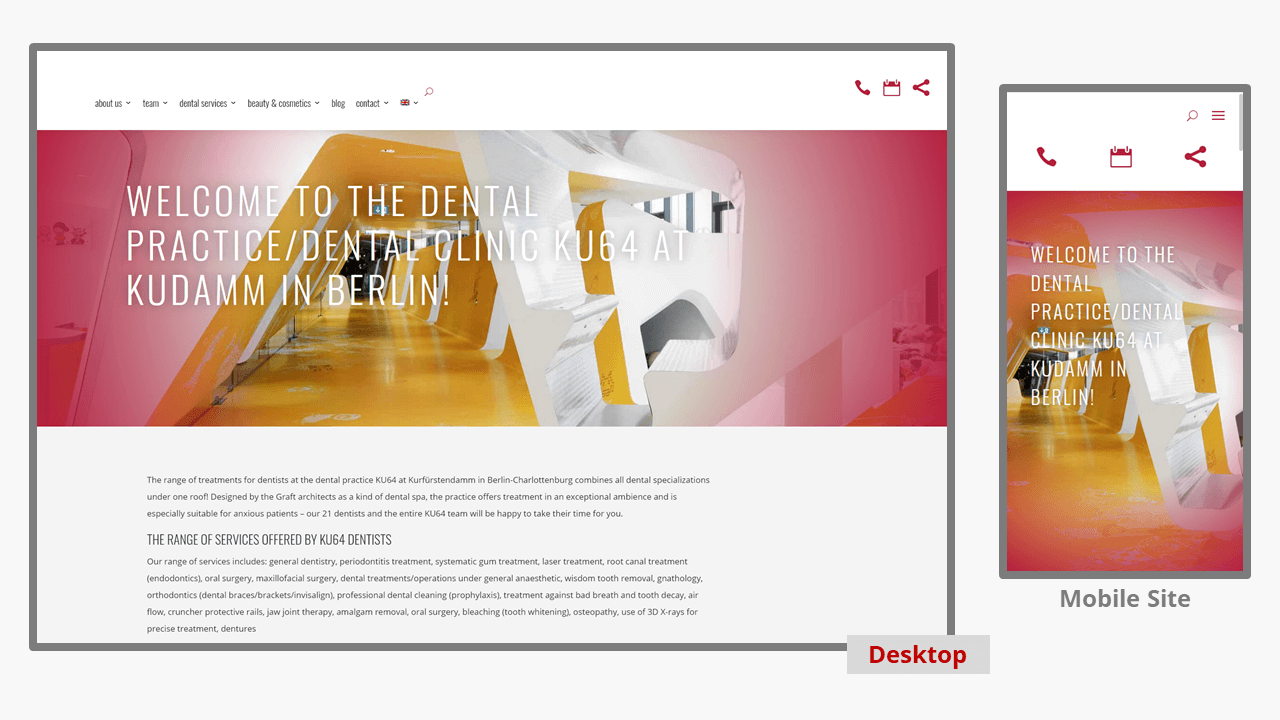
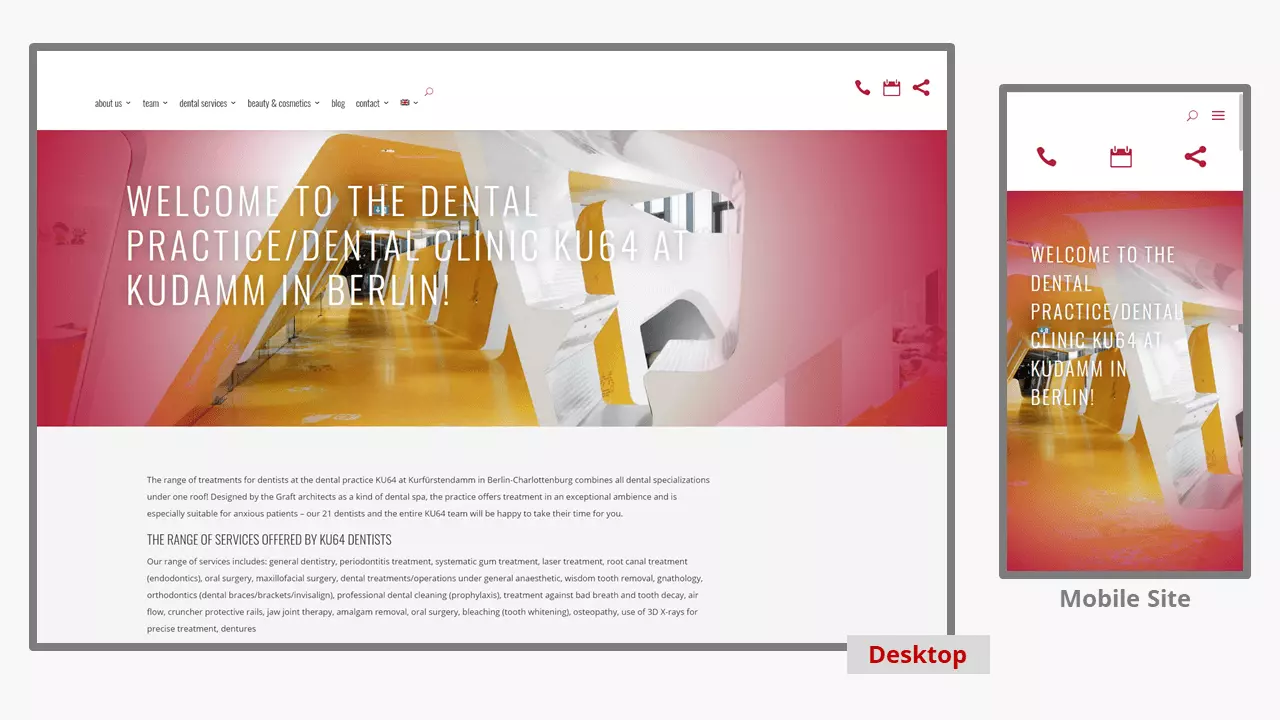
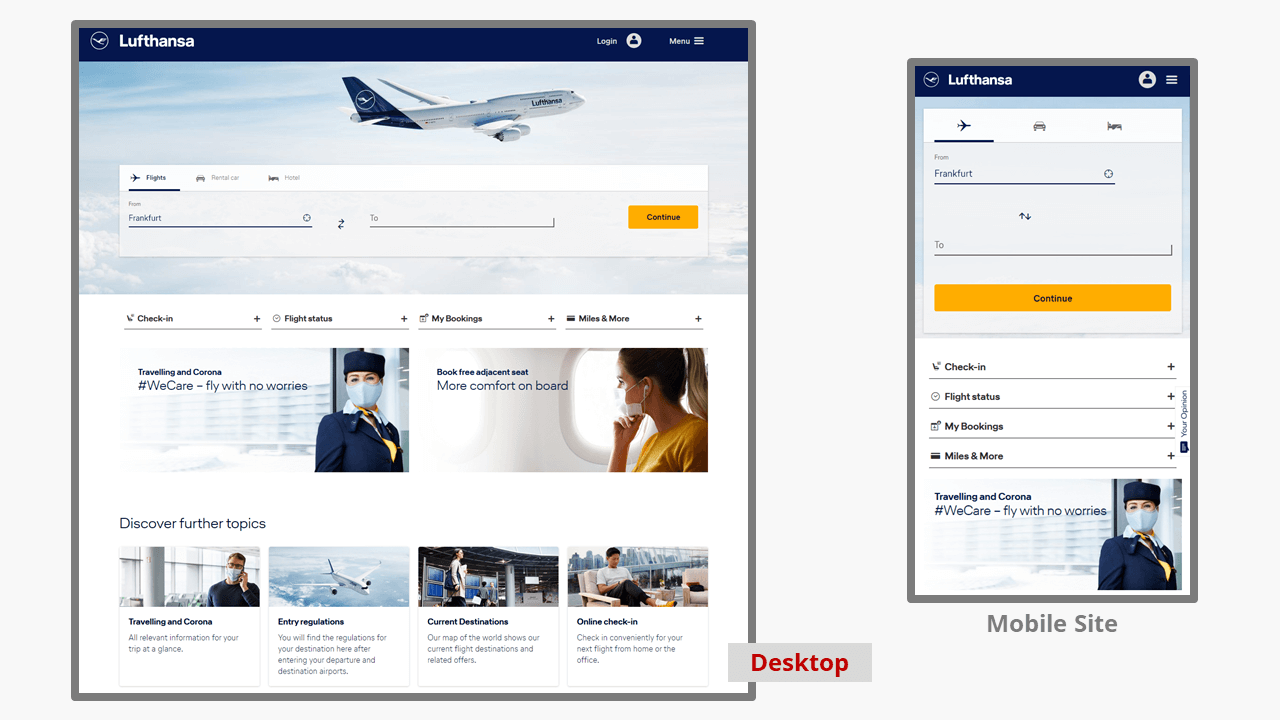
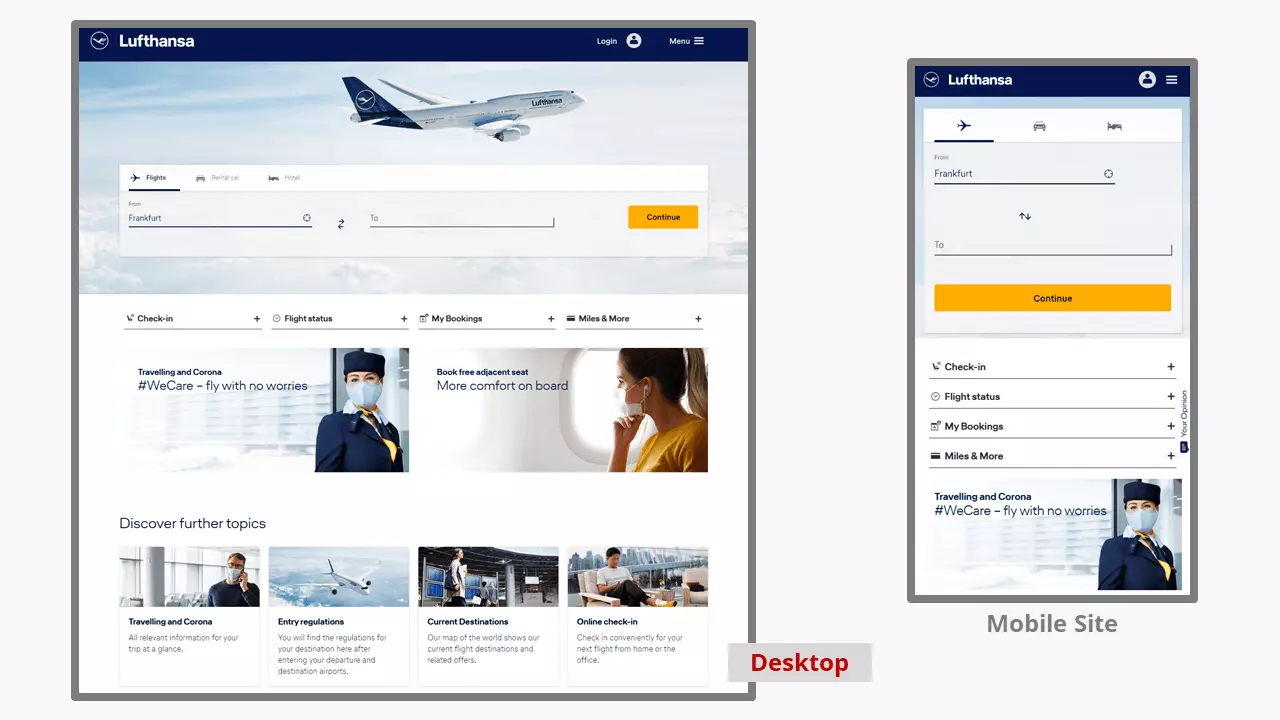
Mobile-first design is the cornerstone of success in many industries. The design starts with small screens and scales up. This ensures clear content, intuitive touch navigation, and fast loading times.
No matter the size of the device, whether it’s held vertically or horizontally, content must be presented simply and ideally intuitively. This also requires considering what can be omitted without losing impact. Responsive design ensures that layouts adapt flexibly to each device through fluid grids, scalable images, and targeted CSS media queries. Search engines like Google have fully shifted to mobile-first indexing: the mobile content of your site determines how it’s indexed and ranked.
Define goals and use call-to-actions
Put yourself in your visitors’ shoes: what do they expect from your business? How should you present yourself so that your message resonates and your goals are achieved? Start by defining clear objectives, then shape both content and design to align with them.
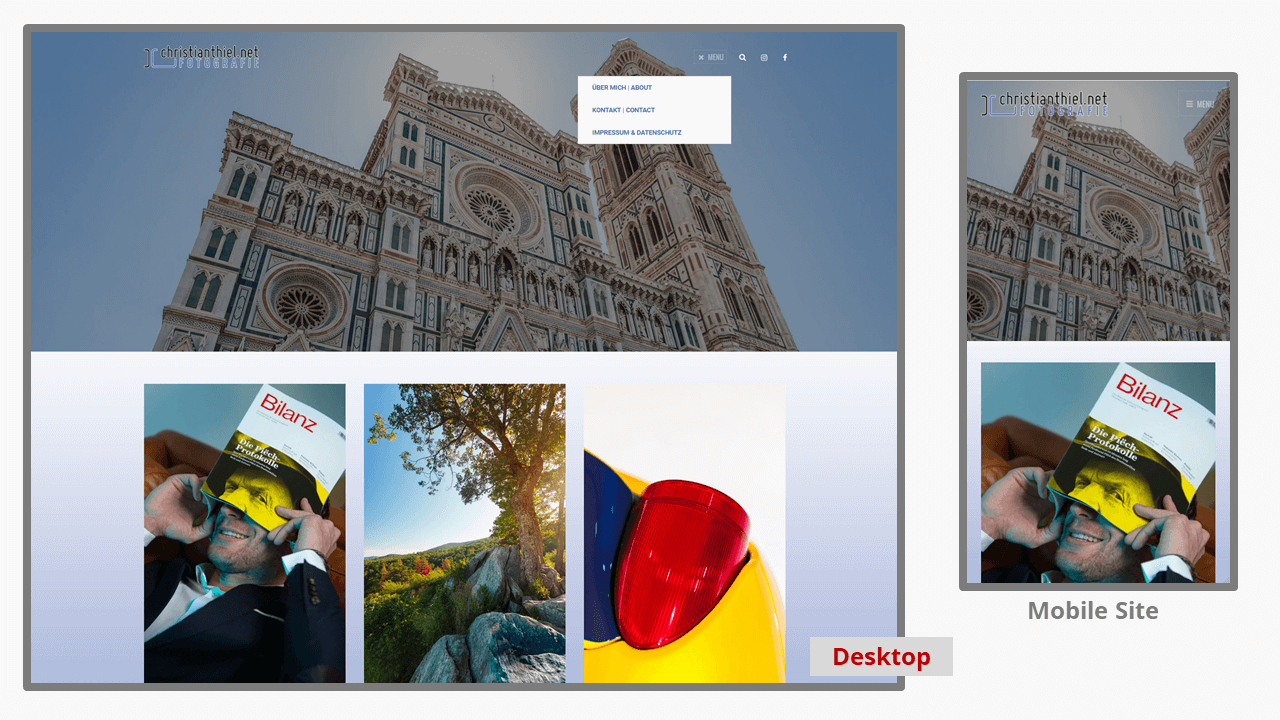
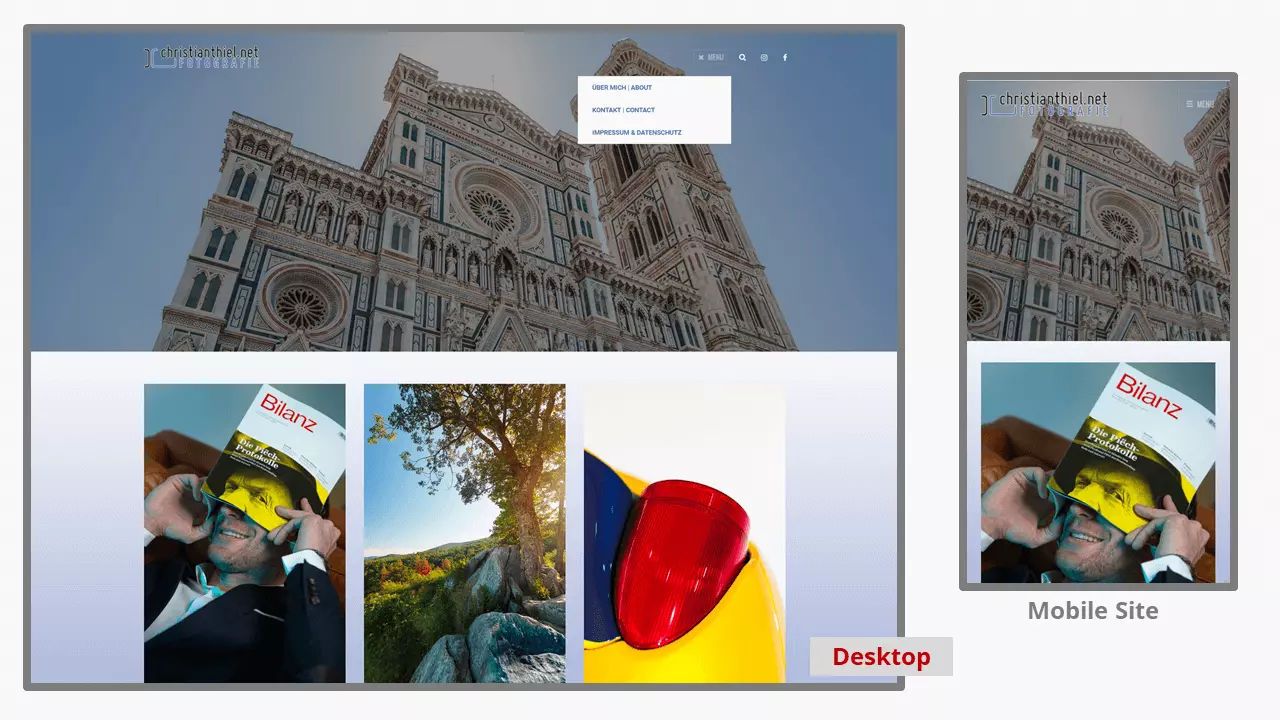
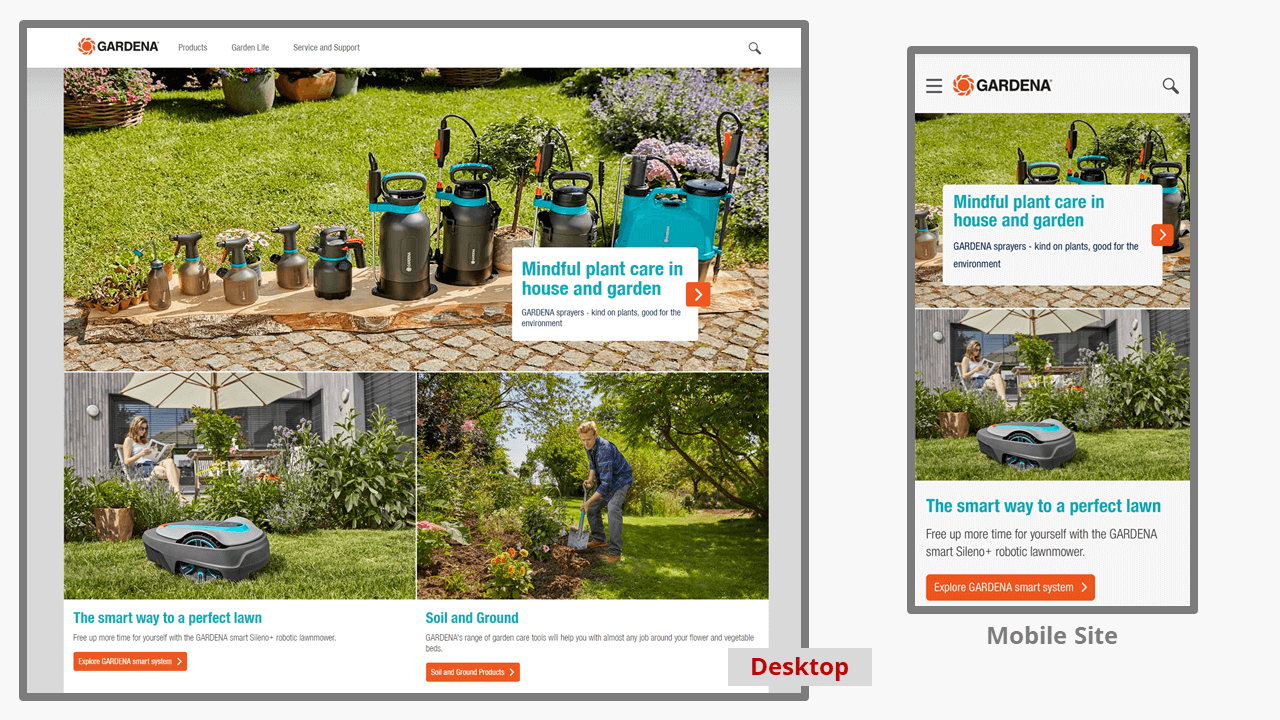
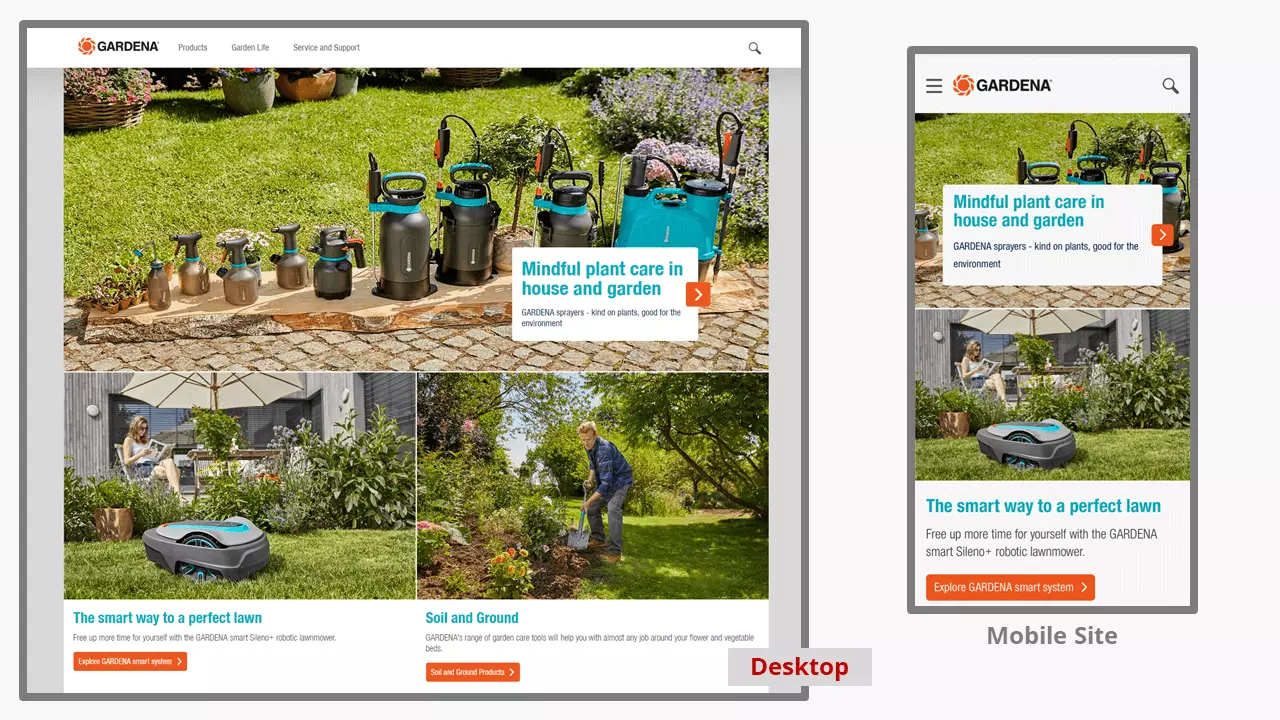
If you want to boost sales, generate sign-ups, or build contacts, rely on clear call to actions (CTAs). Craft action-oriented texts, place them prominently, and design them to immediately catch the eye. Offers like “free shipping this week” can create additional incentives. When implementing your website ideas, always keep in mind which values are crucial for your company or brand. Satisfied customers will then recommend you to others.
Focus on trends and proven methods
You don’t have to reinvent web design to develop your website ideas: Instead, take a look at current web design trends that appear modern and enhance the user experience:
- Minimalist design & white space: Clear layouts, reduced to the essentials, along with generous white space enhance clarity and focus attention.
- Custom illustrations & visual expression: Unique illustrations (animated or static) give your website personality and set it apart from standard templates.
- Dark mode & typography: Dark designs with bright, easily readable fonts appear modern, conserve battery on OLED displays, and are easier on the eyes in dark environments.
- 3D and immersive elements: Three-dimensional effects and animations create depth and interactivity.
- Micro-interactions & intelligent UI: Small animations (e.g., button feedback, hover effects) increase user engagement and improve the user experience.
- Sustainability & inclusive design: Design your website to be energy-efficient and accessible for everyone, including those with visual or hearing impairments. This includes fast loading times, optimized images, readable fonts, and clear contrasts.
Consider budget
What does a website cost?. The answer to this question greatly depends on your goals, the range of features, and desired quality. Therefore, create a realistic budget plan that includes one-time costs and ongoing expenses: from domain and hosting to technology like CMS or builders to content creation, maintenance, and marketing. A clear cost overview helps optimize budget use and avoid unpleasant surprises.
15 creative examples of website ideas
Do you want to launch your own website but lack a breakthrough idea? Get inspired by the following website ideas!
Design portfolio
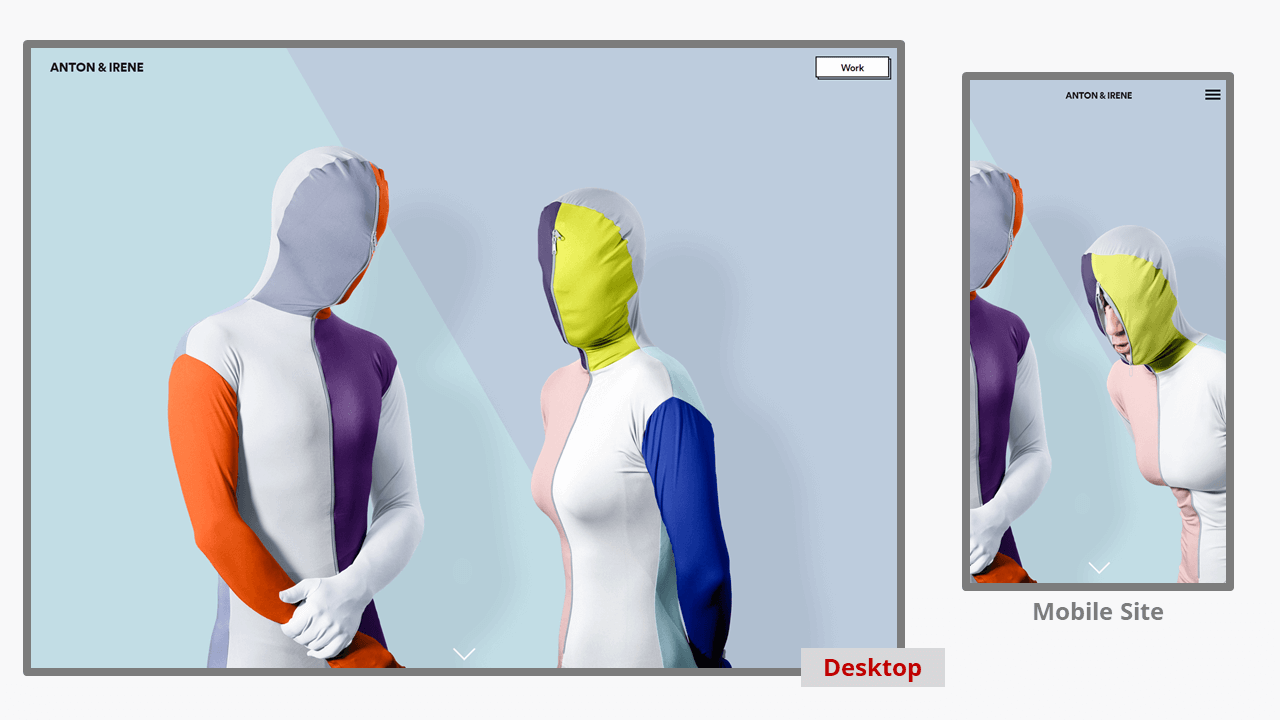
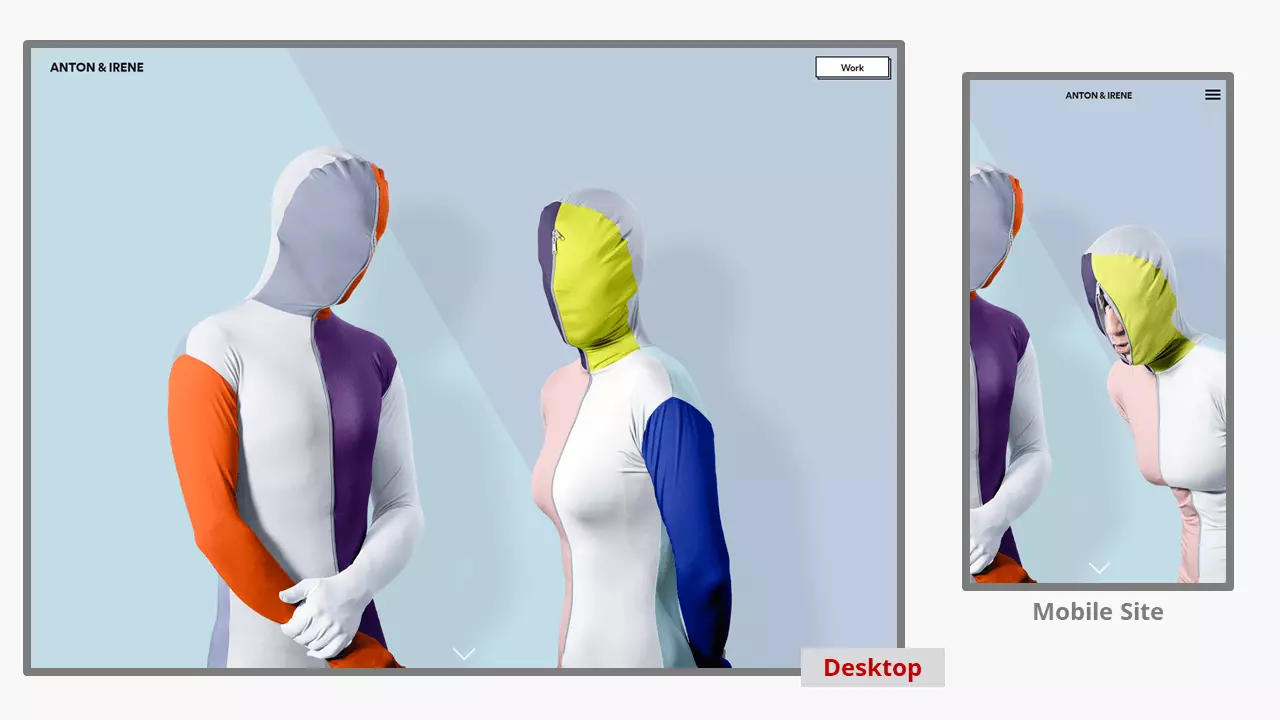
The website of a freelance media designer or design agency should make a strong visual impression right from the start. At the same time, all business information must remain easy to access. Combine concise text with striking visuals to highlight your best work. Special effects such as parallax scrolling can further enhance the user experience — as long as they don’t slow down loading speed.
Coaching website
If you create your own coaching website, you offer interested individuals an initial contact point and the ability to book appointments with you. Clearly structure your services, include a professional portrait, client testimonials, and brief success stories. To increase reach, consider a blog with thematically relevant articles that not only display expertise but are also optimized for search engines. Additionally, free downloads like checklists or short e-books can serve as an incentive for new contacts.
When putting your website ideas into practice, make sure to include a clear call to action — for example, “Request a consultation now” or “Book a free initial meeting.” Also ensure that your contact options are easy to spot and accessible on all devices.
Online shop
An online shop is not only worthwhile for large retailers. Even with a craft hobby like knitting or woodcarving, you can earn money online. If you want to sell homemade items online, don’t hesitate to add a personal touch — it helps build trust and makes your products more appealing. Present your items clearly with text and images, and provide standard payment methods and shipping options. Solutions like the IONOS online shop usually include everything you need.
Also, make sure your shop is mobile-friendly, as many purchases are made on smartphones today. A simple checkout process without unnecessary steps further increases the likelihood of completing a purchase.
Food blog
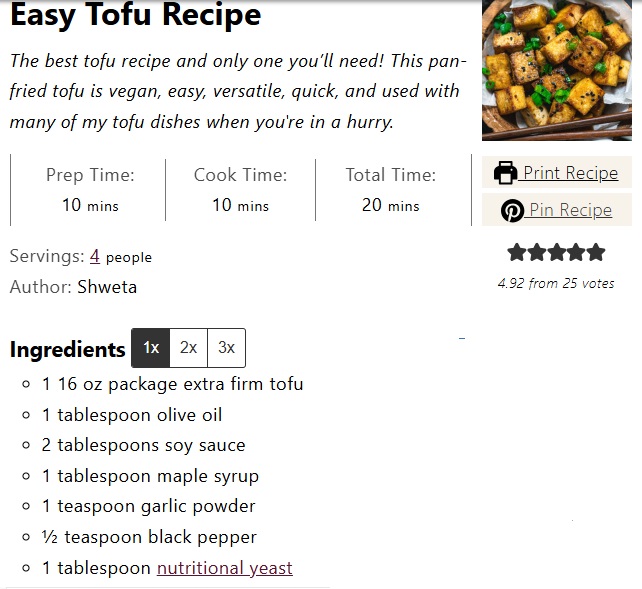
A food blog is perfect for sharing recipes, culinary tips, or unique restaurant experiences. High-quality photos of ingredients, preparation steps, and finished dishes spark readers’ interest in recreating the recipes. Besides recipes, background stories on foods, interviews with chefs, or tips on kitchen techniques can also provide added value.
Ingredient lists and step-by-step instructions should be easy to understand and ideally offer print or download options. To increase reach, consider incorporating social media channels, a newsletter, or short cooking videos. Content management systems like WordPress are especially suitable for implementation.

Podcast website
The Podcast audio format is more popular than ever. If you have something to say, you can publish your talks online on various platforms. With a dedicated website, you provide another channel to offer your podcast. Integrate an embedded audio player so visitors can listen directly on the site, and add show notes, transcripts, or additional links. Clear navigation helps users quickly find older episodes.
Additional features like newsletter signup, feedback forms, or embedding video versions on YouTube can help grow your community. If you plan to monetize, payment models, exclusive content, or sponsor showcases can be easily integrated.
Affiliate website
Some online retailers (like Amazon or Walmart) offer affiliate marketing. The concept: You discuss various products on your site and include a link to the retailer’s website. If a customer buys the item, you receive a commission.
An affiliate website thrives on authentic recommendations. Introduce products or services you are familiar with or that suit your audience, and enhance your posts with high-quality images, comparison tables, or reviews. It’s important to have transparent labeling of affiliate links to strengthen visitor trust and comply with legal requirements. Use a clear structure so users can quickly find relevant products – for example, by categories, price ranges, or areas of application.
Online documentation
Are you passionate about a subject or eager to share knowledge with the world? Showcase your insights on the web with compelling visuals and a well-matched design. An online documentation is ideal for presenting complex topics or projects in a vivid, lasting way. Use storytelling with interactive elements to guide visitors through your narrative step by step. This can include images, videos, infographics, or even interactive features like maps and timelines.
A clear and logical structure ensures visitors can easily keep track and find content again. Modern website builders provide numerous options to integrate multimedia seamlessly and display it optimally on mobile devices. During planning and implementation, storytelling tools can also help you bring your story to life.


Restaurant website
A restaurant’s website is often the first touchpoint for potential guests and can strongly influence their first impression. When building your own restaurant website, make sure to prominently showcase the menu, opening hours, and reservation options. High-quality, atmospheric photos of your dishes, interior, and even your team help convey the restaurant’s character and whet visitors’ appetites.
Integrating an online reservation or ordering system directly on the site makes the booking process quick and convenient. A Google Maps integration along with a short route description ensures guests can easily find you. Be sure to keep all details up to date — especially seasonal offers, updated opening hours, or upcoming events.
Photography portfolio
For a photographers’ website, the focus should clearly be on the images. Present your work in large format and high quality to maximize their impact. Implementing your website ideas with gallery or lightbox features allows visitors to navigate intuitively. Structure your images by themes or projects so interested parties can quickly find what they are looking for. A brief introduction of yourself, along with information about your services and contact options, completes the presentation.
Event website
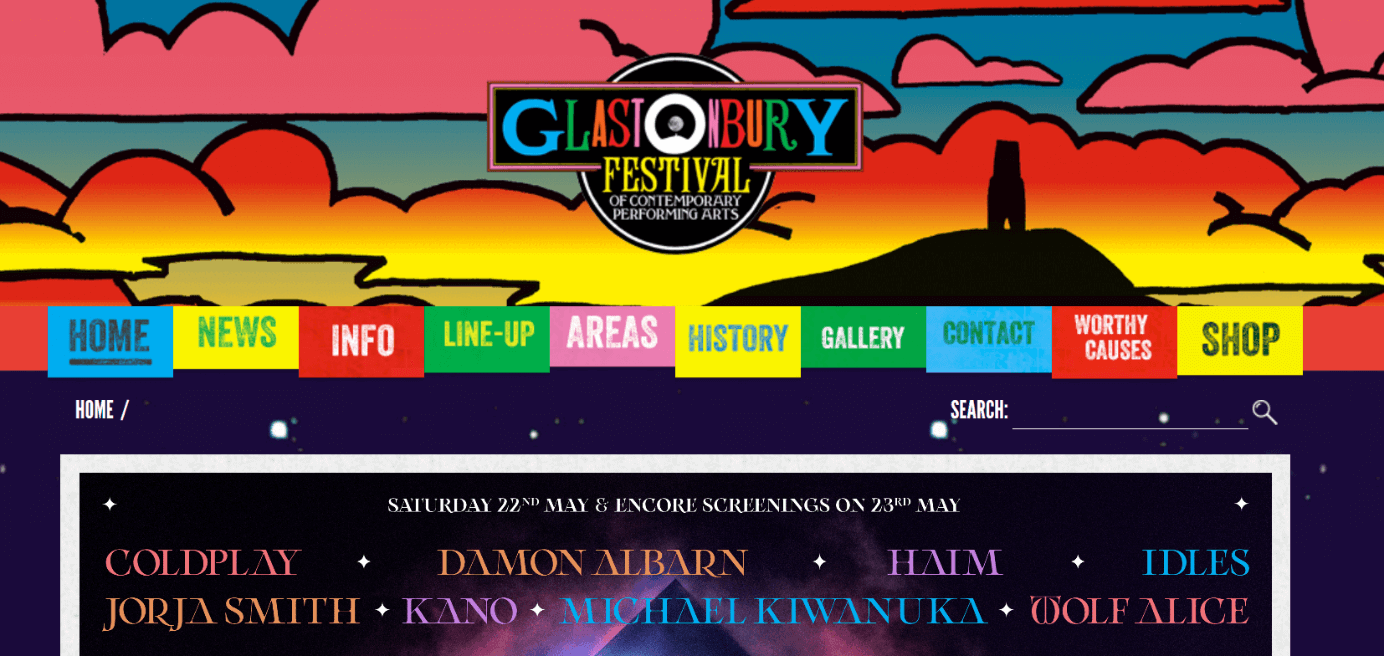
If you regularly host parties, concerts, or other events, you can perfectly accompany this with a suitable website. In addition to basic information such as date, location, and program, you can sell tickets directly online, simplifying the booking process for visitors. Complement the site with photos, videos, or highlight clips from past events to generate excitement. An integrated calendar helps keep track of future dates. Optionally, you can foster interaction among participants through social media integrations.
 Tatiana PopovaShutterstock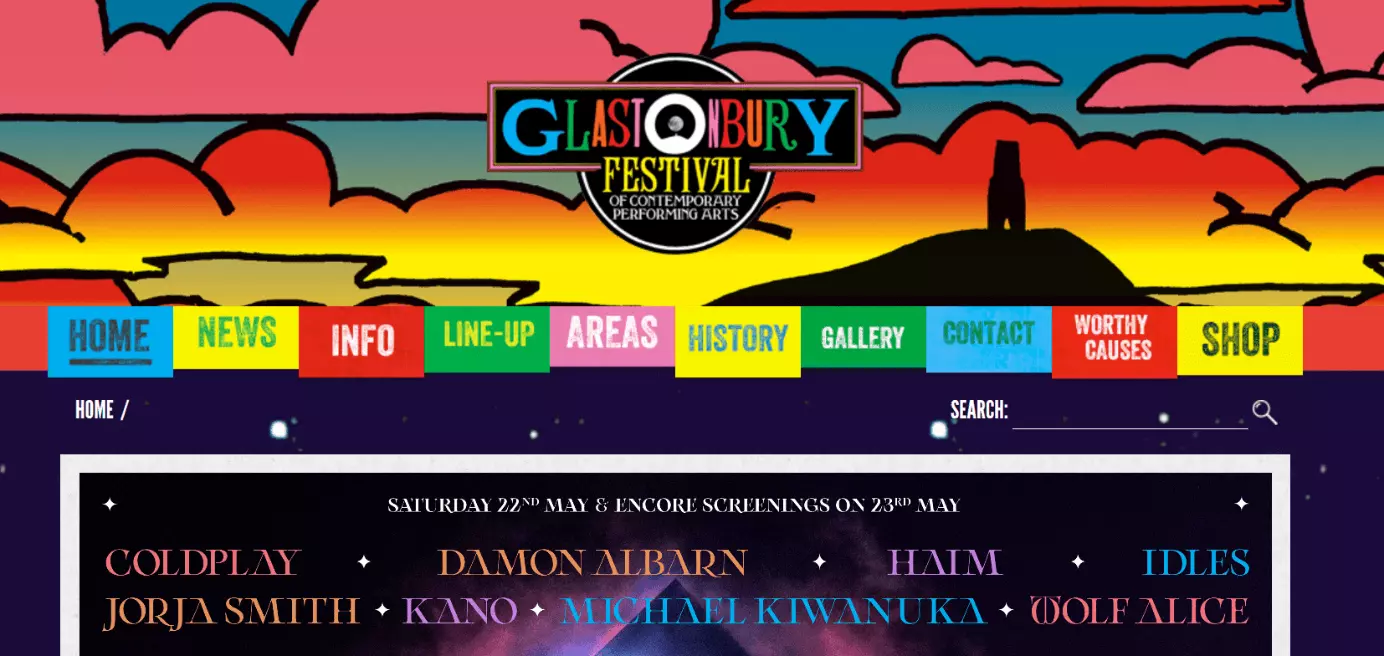
Resume website
With your own resume website, you present yourself to potential employers. It allows you to display your resume, cover letter, and work samples in a modern, interactive format. This distinguishes you from traditional applications and demonstrates your ability to handle digital media. For example, you can include references, certificates, or project descriptions. Link your profiles on platforms like LinkedIn to provide potential employers with a quick overview.
Fashion and beauty blog
A fashion and beauty blog is the perfect platform to share outfits, styling tips, and beauty trends with a community. In addition to classic blog posts with high-quality photos, you can include short videos, tutorials, or product reviews to make your content more varied. Integrate your social media channels like Instagram, TikTok, or Pinterest to build reach and utilize content across platforms. With a user-friendly CMS like WordPress, you can flexibly adjust design, structure, and content without HTML knowledge. Regular posts and a consistent look ensure that visitors return and your site becomes established as a source of inspiration.
Product landing page
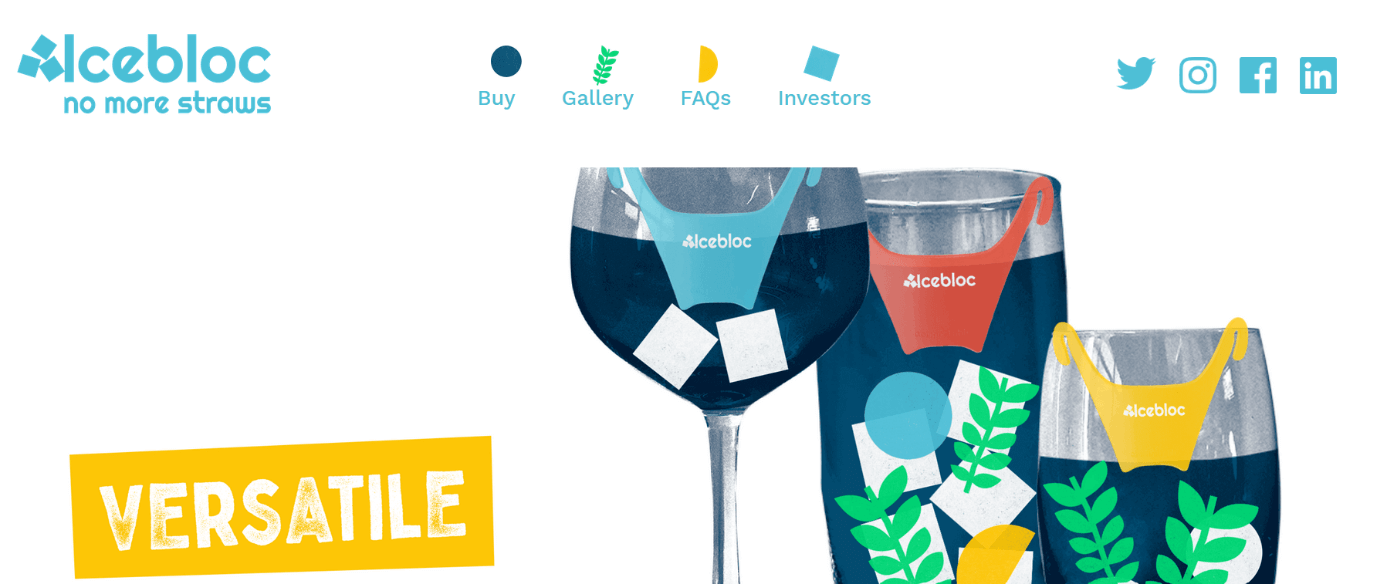
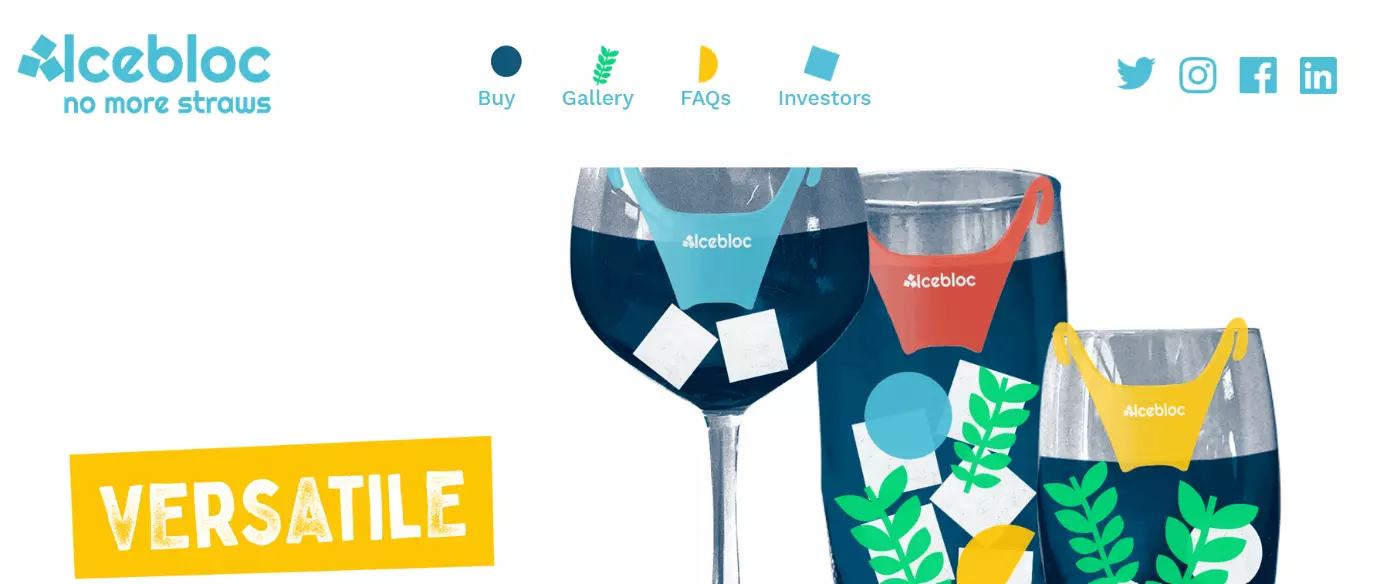
Start-ups aiming to launch with an innovative idea can use a landing page to showcase their new product in the best light. A product landing page compiles all crucial information about an offer on a single, well-organized page. It should clearly highlight the key benefits and unique selling points, address frequently asked questions, and include a clear call to action. This can also be done with a One Pager that allows interested parties to easily scroll through.
Sports website
Your team deserves its own online presence. A dedicated website lets you share news about your team or your sport in general, introduce individual players, and tell the story of your club. Adding a calendar ensures fans never miss a match. Even for solo athletes, such a website can be valuable — for example, to attract and convince potential sponsors.
Online courses
Whether it’s a professional training or a job application seminar, you can offer online courses on your own website. Inform interested parties about the offerings, provide a schedule, and add a booking element. A member area that is only accessible to paying customers is also possible. Here, you can publish videos and tutorials, as well as provide online seminars and course materials.
How can a website idea be implemented technically?
Today, there are countless options for creating your own website — from simple website builders to advanced content management systems. The best choice depends on your goals, technical skills, and budget. Some solutions enable a quick start without any programming knowledge, while others provide maximum flexibility and control but demand greater expertise.
- HTML & CSS: Building websites yourself with HTML and CSS is extremely rare these days. There are simply too many great tools available. Nevertheless, it’s beneficial to at least learn some HTML.
- Static Site Generator: Static site generators operate locally on a computer (or in a cloud) and produce static HTML pages based on code frameworks. For a very simply designed website that primarily delivers information, a static site generator can be a good solution. However, for extensive web projects, this approach is not recommended.
- Website builders: These tools make it easy to bring your website ideas to life without any programming knowledge. With a website builder, much of the groundwork is already done — including ready-made design themes and templates that can be customised to your needs.
- Content Management Systems (CMS): A majority of existing websites rely on content management systems. Leading the pack, WordPress offers a vast selection of themes, plugins, and integrations. Virtually all hosting providers also offer WordPress hosting plans.
- Headless CMS / AI-Powered CMS: For more complex projects with omnichannel strategies or automated content, modern headless CMS with API integration and AI features can be of interest.
What are the required legal disclosures?
Experimenting with your own website ideas can be a lot of fun. However, certain required disclosures must not be forgotten. The most important points briefly:
- a privacy policy, required if you collect personal data such as names, emails, or payment information (various state laws apply, e.g., CCPA/CPRA in California)
- a cookie notice, not generally required in the US, but recommended if your site targets EU visitors or uses extensive tracking
- terms & conditions (T&C) not legally required but strongly advised to define rules for users, limit liability, and set payment/refund terms
- a return or cancelation policy, required in some states (e.g., California) if you sell goods or services online
- FTC disclosures, such as clear labeling of affiliate links, endorsements, or sponsored content
- an accessibility statement, not mandatory everywhere, but increasingly important under the Americans with Disabilities Act (ADA)
There are various online generators available for creating these documents, ranging from free to subscription models. Website builders typically include pre-made templates for privacy policies, T&C, and more.
Why is an accessible website strongly recommended for businesses in the US?
In the United States, there is no fixed deadline like in the EU’s European Accessibility Act (EAA). However, the Americans with Disabilities Act (ADA) is increasingly applied to websites, especially for businesses that serve the public (such as retailers, restaurants, e-commerce shops, and service providers). The Department of Justice and US courts generally reference the WCAG (Web Content Accessibility Guidelines) as the standard for compliance.
To reduce legal risk and provide equal access, check your website for WCAG compliance by ensuring:
- sufficient color contrast
- alternative text for images
- descriptive link texts
- full keyboard operability
- logical heading structure
- accessible forms
- captions or transcripts for media
Regular testing and updates will help maintain long-term digital accessibility, improve usability for all visitors, and minimize the risk of ADA-related lawsuits.
What are the benefits of having your own website?
Your website is your digital sales tool — your gallery, newsroom, or diary — and it’s available 24/7, 365 days a year. With the right website ideas and a professional execution, you can engage readers, prospects, and customers. It’s your chance to showcase your strengths and highlight what makes your business stand out from the competition.
By promoting your website, you can reach a wide audience far beyond your local area and strengthen your market position. With targeted online marketing and search engine optimization, your reach can extend well beyond regional boundaries.