

Which website type should you choose? The 7 most popular kinds

Whether you build your online presence yourself or hire a service provider, you should first consider which kind of website you need. Only you can make this strategic decision. Our website typology gives you quick clarity on the most important website types and their key differences.
- Intuitive website builder with AI assistance
- Create captivating images and texts in seconds
- Domain, SSL and email included
Corporate website
-
For whom? Businesses, agencies, and self-employed professionals
-
Purpose: Presenting your company with contact options
The classic corporate website matches what most people think of when they hear “website”: a collection of multiple individual pages with the primary goal of informing.
The business presents its services, introduces its team, and offers ways to get in touch. A corporate website is the digital business card of the company. However, this website type can also include dynamic elements, such as a news or blog section, with regularly updated content. Larger websites often integrate additional website types such as landing pages or microsites, allowing companies to pursue different goals within one online presence.
To make your brand or website known to your target audience, you should also implement additional measures such as search engine marketing.
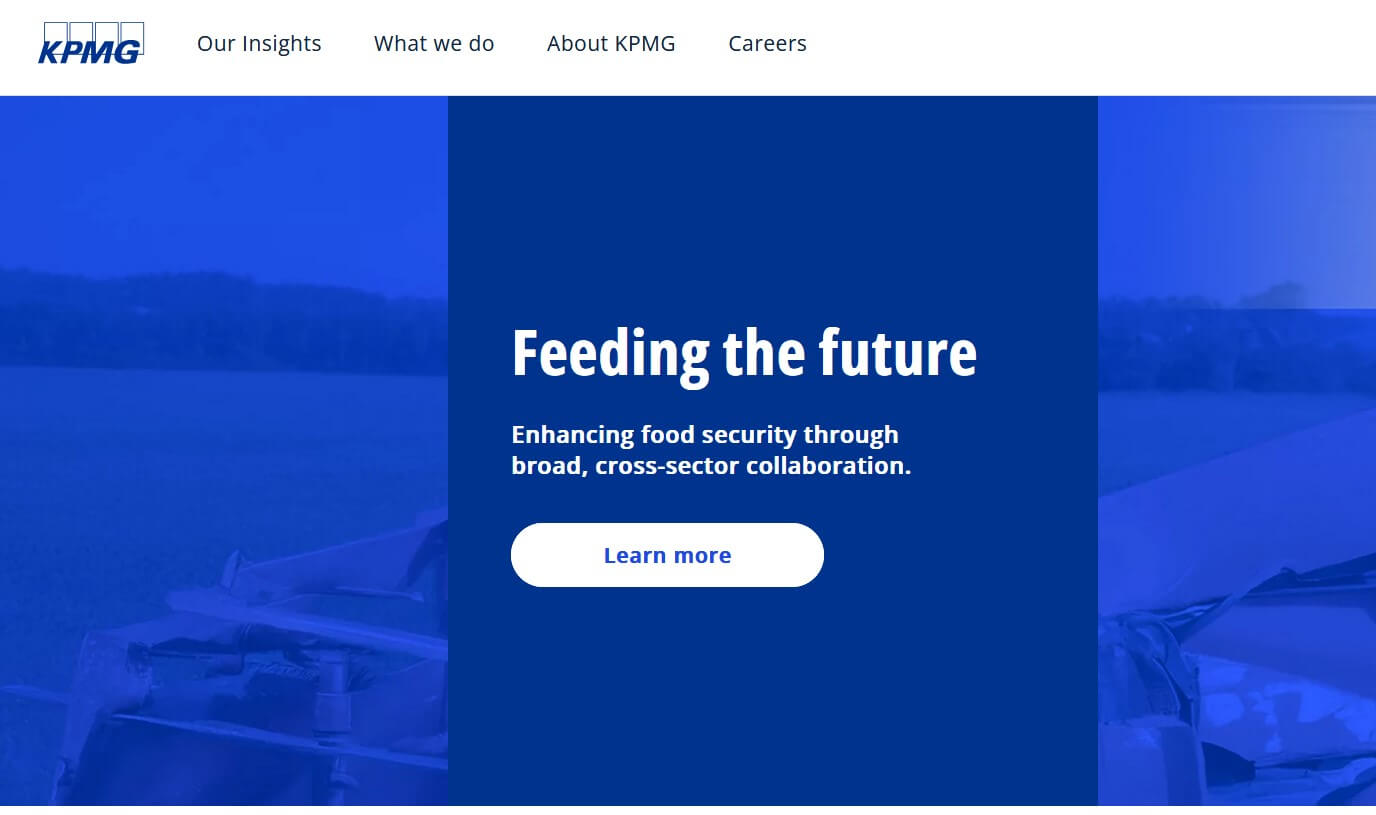
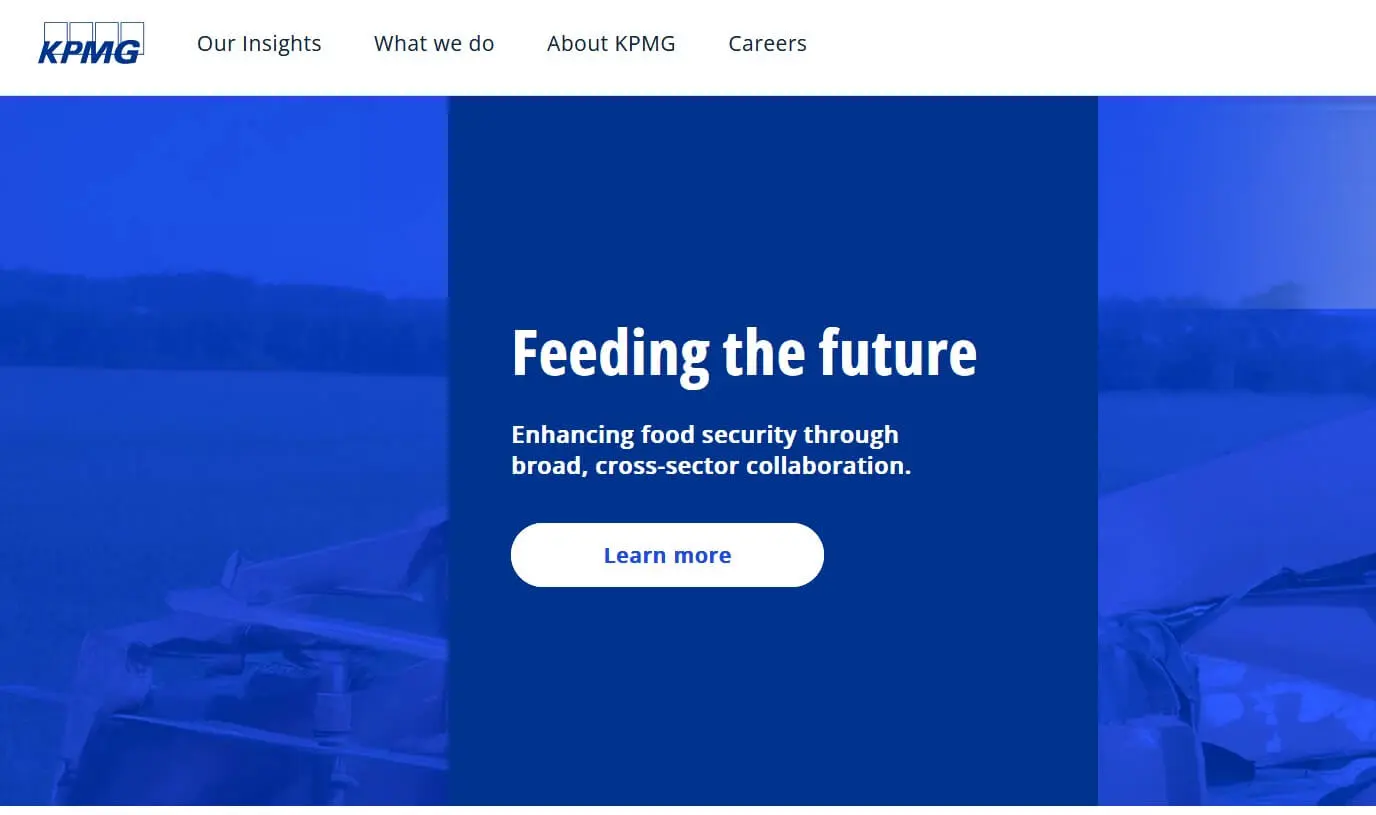
An example of a classic corporate website is the KPMG website:
If you want to create a corporate website yourself and have little or no programming knowledge, you can use solutions like the Website Builder from IONOS. This makes it easy to create professional results. Alternatively, you can hire an agency or, if you want to save on budget, use the Website Design Service from IONOS.
- Professional templates
- Intuitive customizable design
- Free domain, SSL, and email address
Portfolio
-
For whom? Artists and creatives
-
Purpose: Presenting primarily visual work samples
Portfolio websites are designed to present visual work attractively. This kind of website is ideal for designers, photographers, and artists.
Portfolio website themes are typically airy and often minimalist, putting graphic elements and work samples front and center right on the homepage. Unlike corporate websites, the amount of text is usually minimal.
Even non-tech-savvy users can easily create a portfolio website. Content management systems like WordPress offer a huge selection of themes that can be customized and filled with your own content. The only technical hurdle is hosting. Choose a provider like IONOS, which specializes in Hosting for WordPress and supports one-click WordPress installation. IONOS offers affordable plans specifically for beginners.
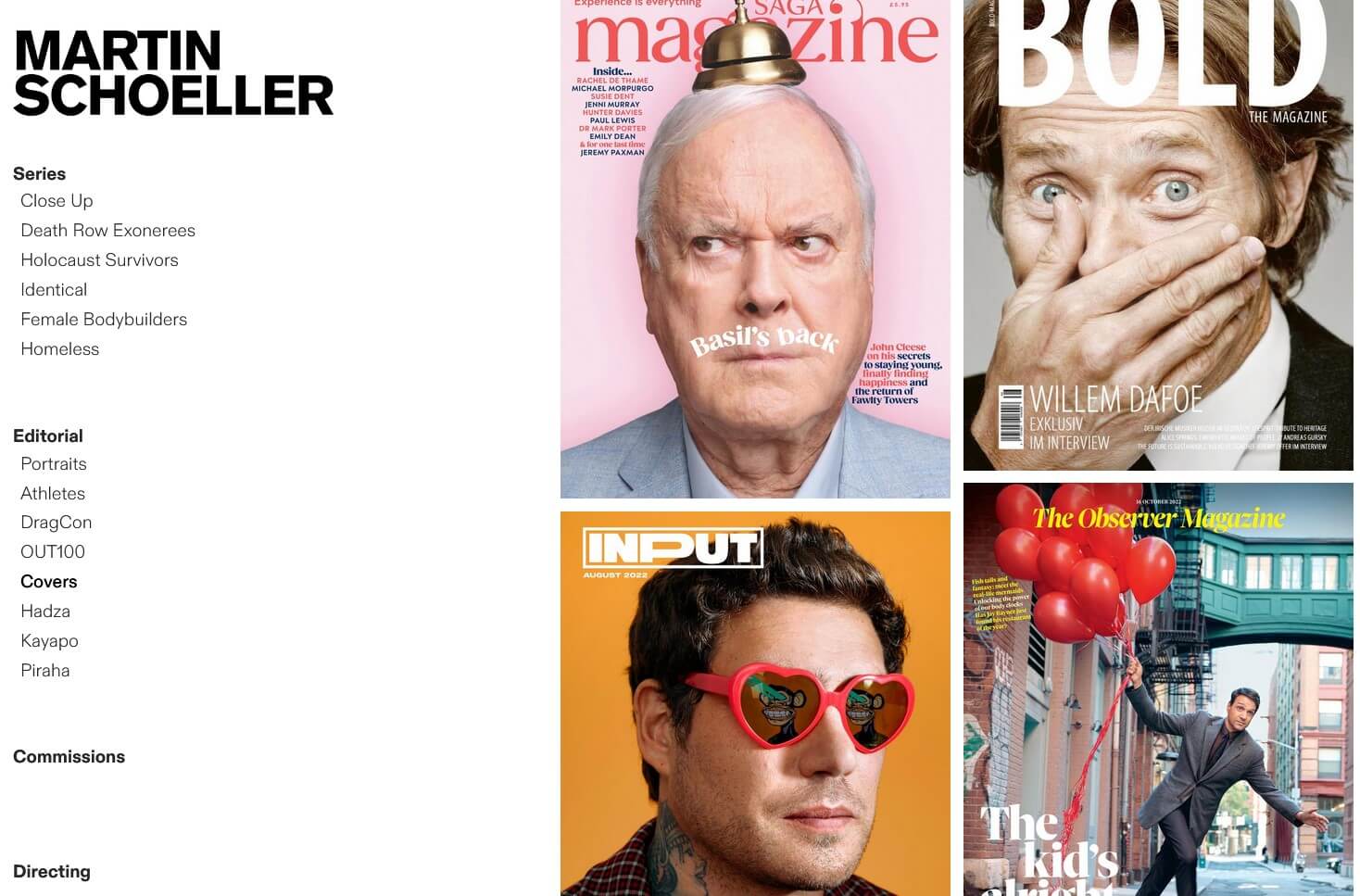
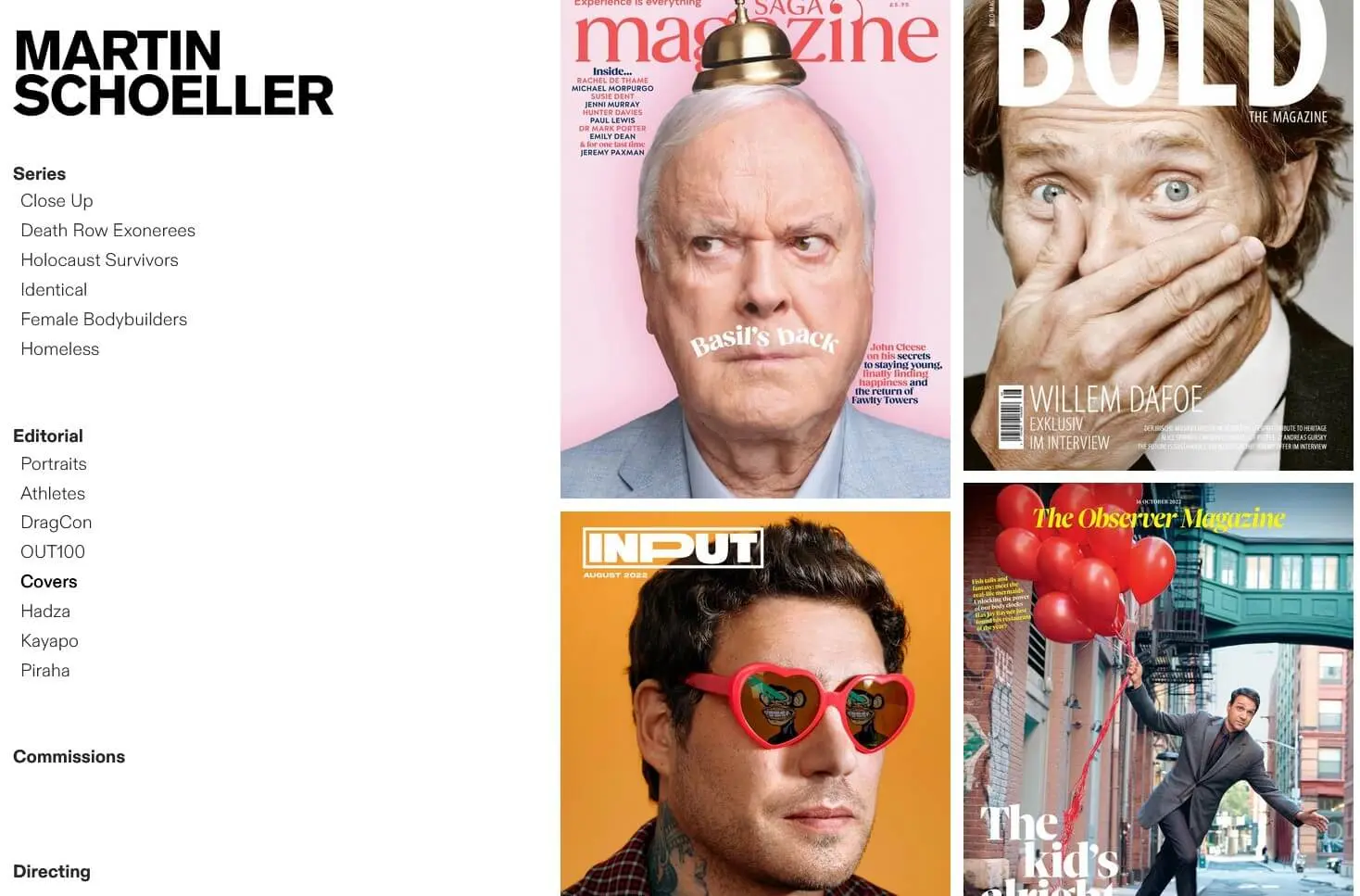
What does a portfolio website look like? The website of portrait photographer Martin Schoeller is a typical example of this website type:
When creating your own portfolio website, make sure to present only your best work. It’s better to showcase fewer but stronger samples rather than overload the site with too many average references.
- Stress-free, no matter your skill level with easy AI tools
- Fully customizable with themes and plugins
- Hassle-free updating and less admin
Blog/magazine
-
For whom? Bloggers, businesses, journalists, influencers
-
Purpose: Regular editorial information or entertainment
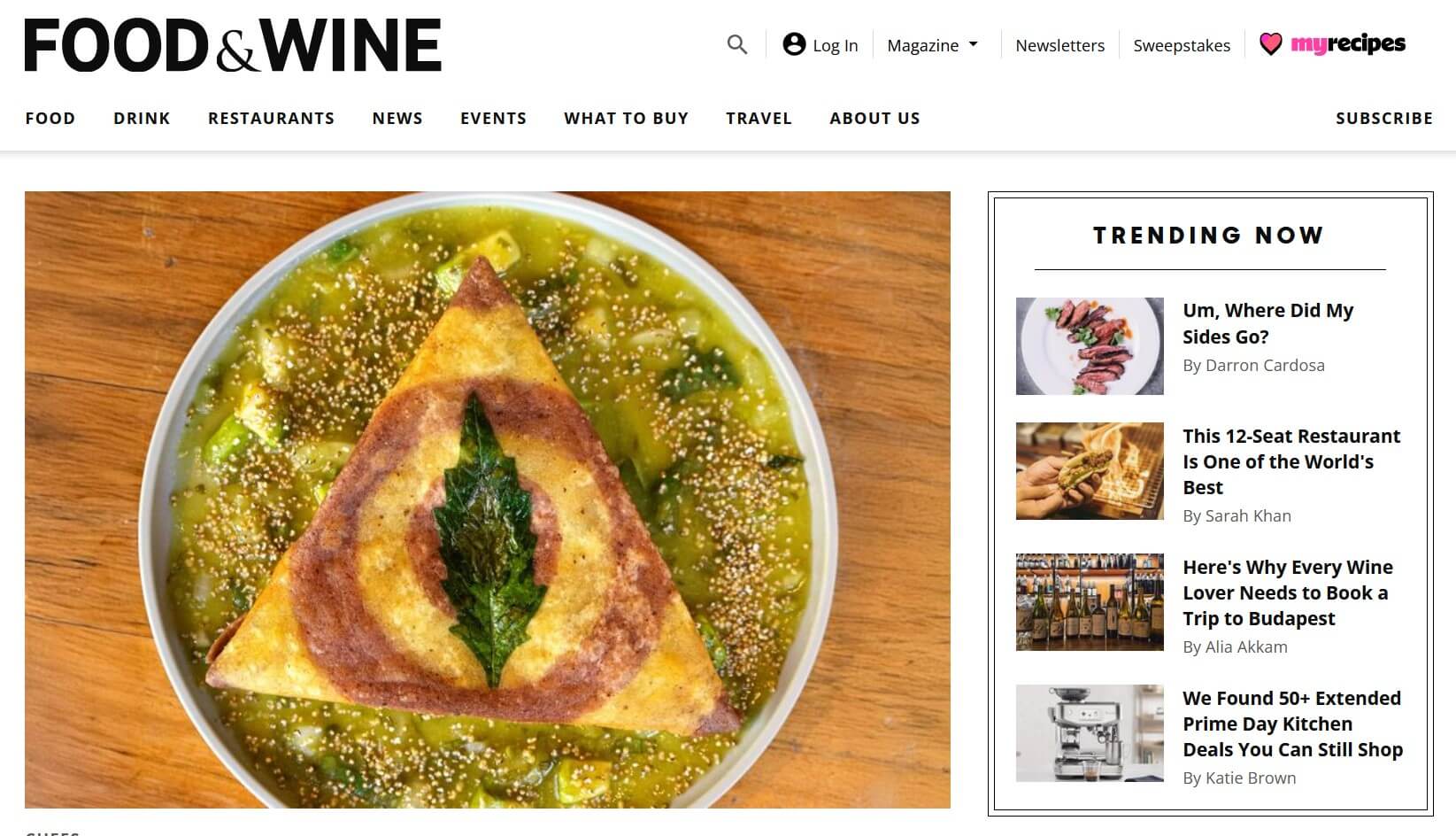
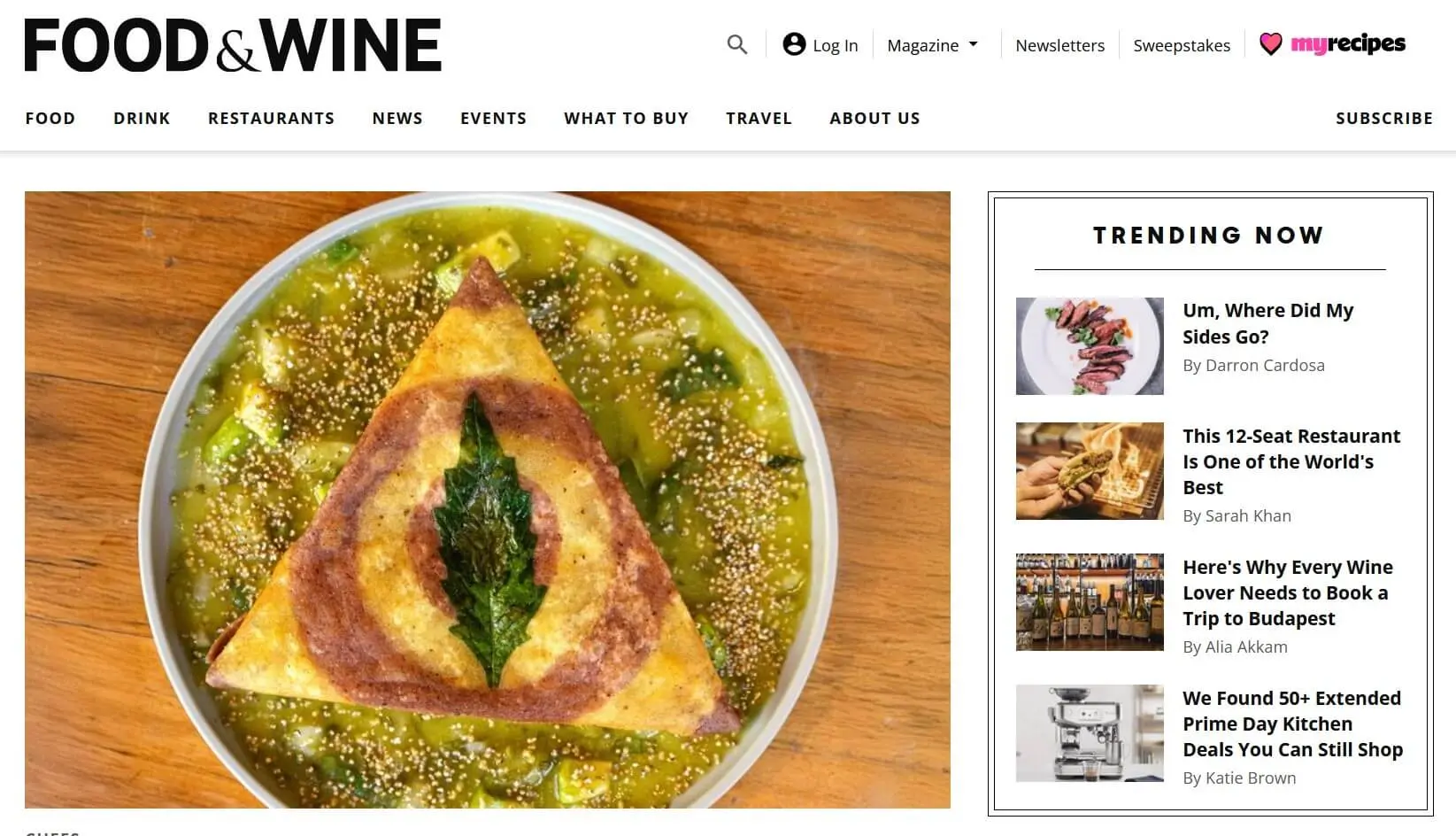
A blog or magazine website focuses on editorial content. Want to write regularly about Bitcoin? Planning a local online newspaper? While blogs may welcome visitors with a static website, online magazine websites typically resemble traditional print magazines, showing the latest content right away.
Some blogs and online magazines also sell products or services related to their topic, but this is secondary. The current and regular content takes center stage — and this is reflected in the website design.
One practical example is the “Food & Wine” website:
Running a blog requires significant effort. Before you create your own blog, decide whether you can manage the project alone or should assemble a team of authors. Long gaps between posts should be avoided if you want your blog to become a trusted source of information and a reader magnet.
- Sell on social media in minutes
- Manage it all from one platform
- Works with any product or service
Microsite
-
For whom? Businesses
-
Purpose: Information or entertainment on a specific topic/product
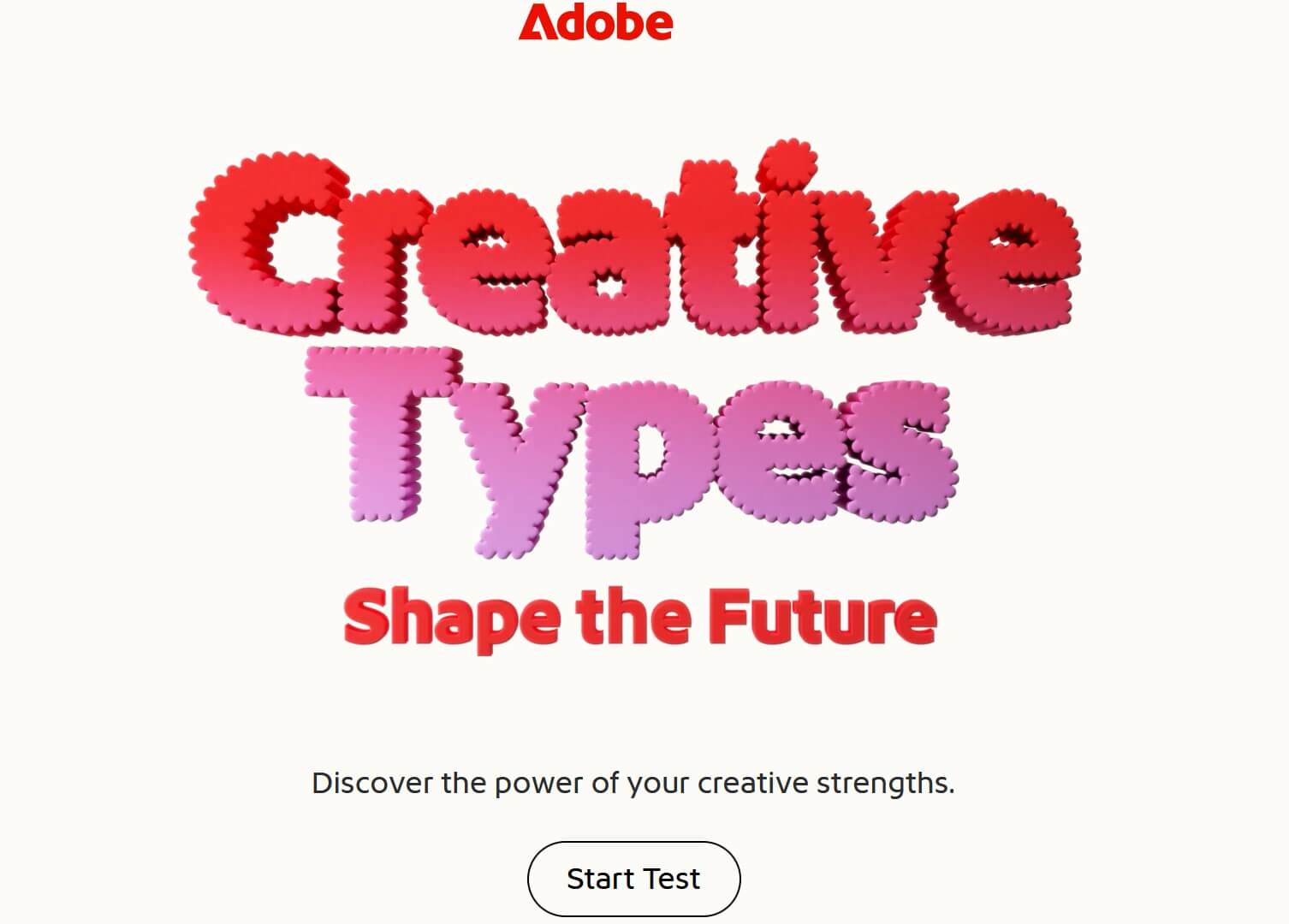
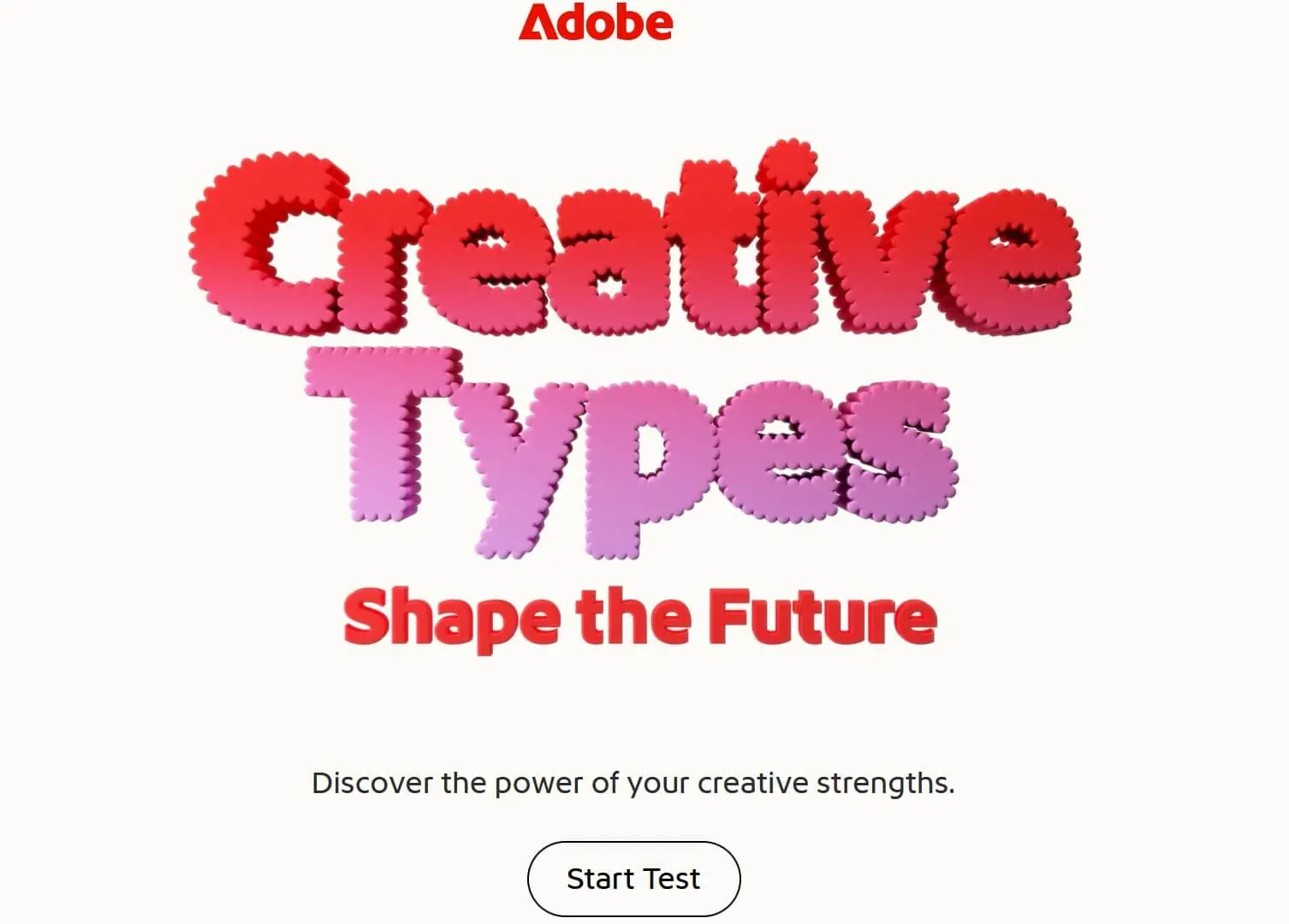
A microsite is like the little sister of the corporate website: the focus is on providing information. However, the microsite is limited to a few subpages or even a single main page. It presents a specific new product or a clearly defined topic, in contrast to a website that covers a broader range of topics and services.
Microsites often feature creative designs that showcase the product or topic. They use interactivity, animations, and multimedia to create a positive user experience.
One detailed example is Adobe’s “Creative Types,” where users can discover their creativity type:
Landing page
-
For whom? Businesses, self-employed professionals
-
Purpose: Lead generation or sales conversion
Landing pages are one-pagers that inform visitors about a specific product and ultimately motivate them to take a specific action. The page has a clear promotional focus. There are no subpages; instead, landing pages resemble a detailed sales letter, potentially enriched with videos and graphics.
Ideally, visitors consume the content in one flow and are ready to pay for a product or service — or provide their email address — by the end.
For inspiration, check out the American Writers & Artists Institute (AWAI) website, which promotes its courses through classic landing pages:
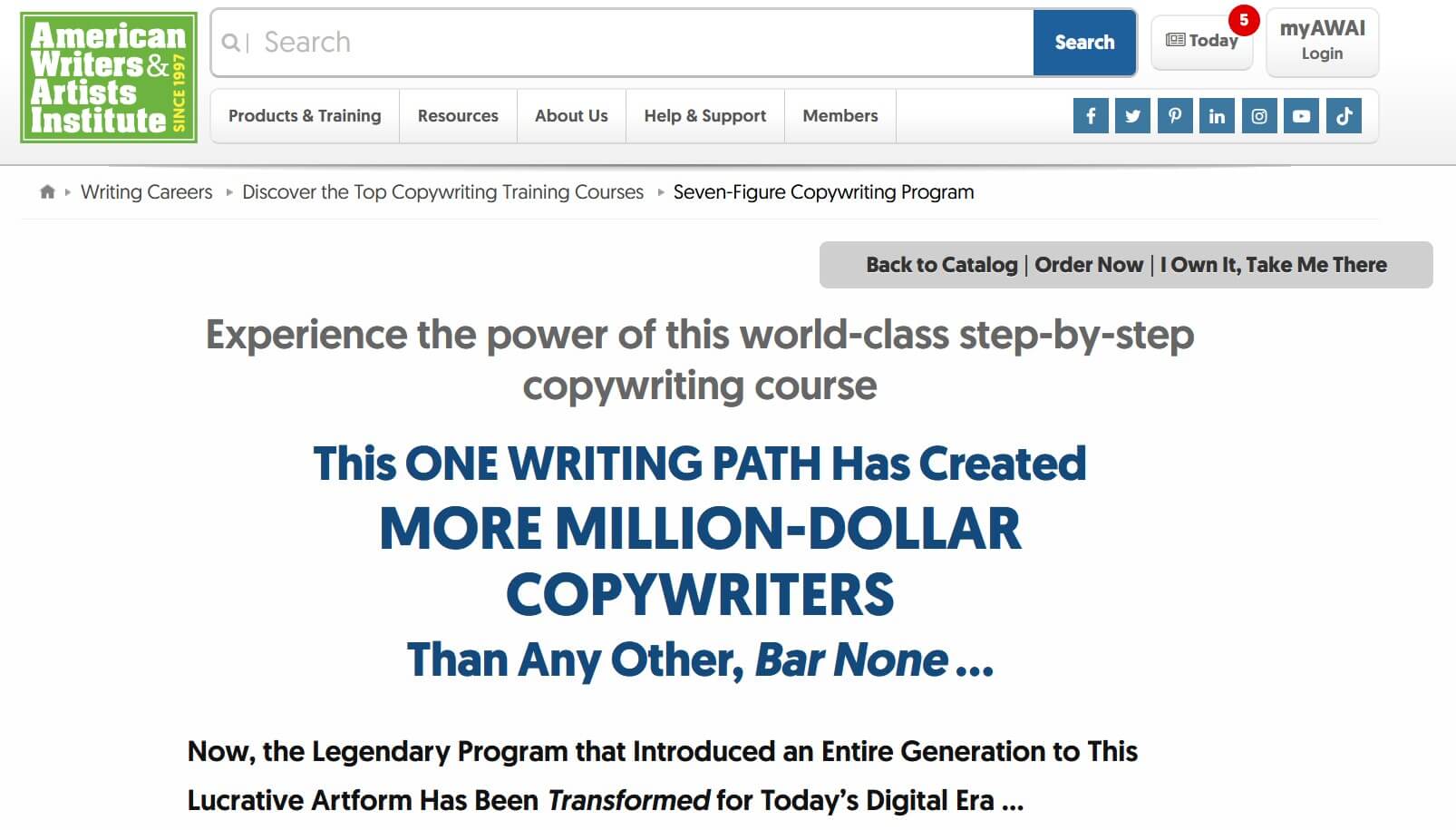
Landing pages are usually part of online marketing campaigns: users click on an ad in Google or a social network and are directed to the landing page.
Online store
-
For whom? Businesses
-
Purpose: Selling digital or physical products
Individual products can be sold well via landing pages, but multiple products require an online store.
In an online store, products and their details are presented clearly and concisely. A straightforward menu helps potential customers find what they’re looking for quickly. While informational content can help draw users from Google, the product range is the main focus.

Most online stores follow a tried-and-true structure similar to major platforms like Amazon:
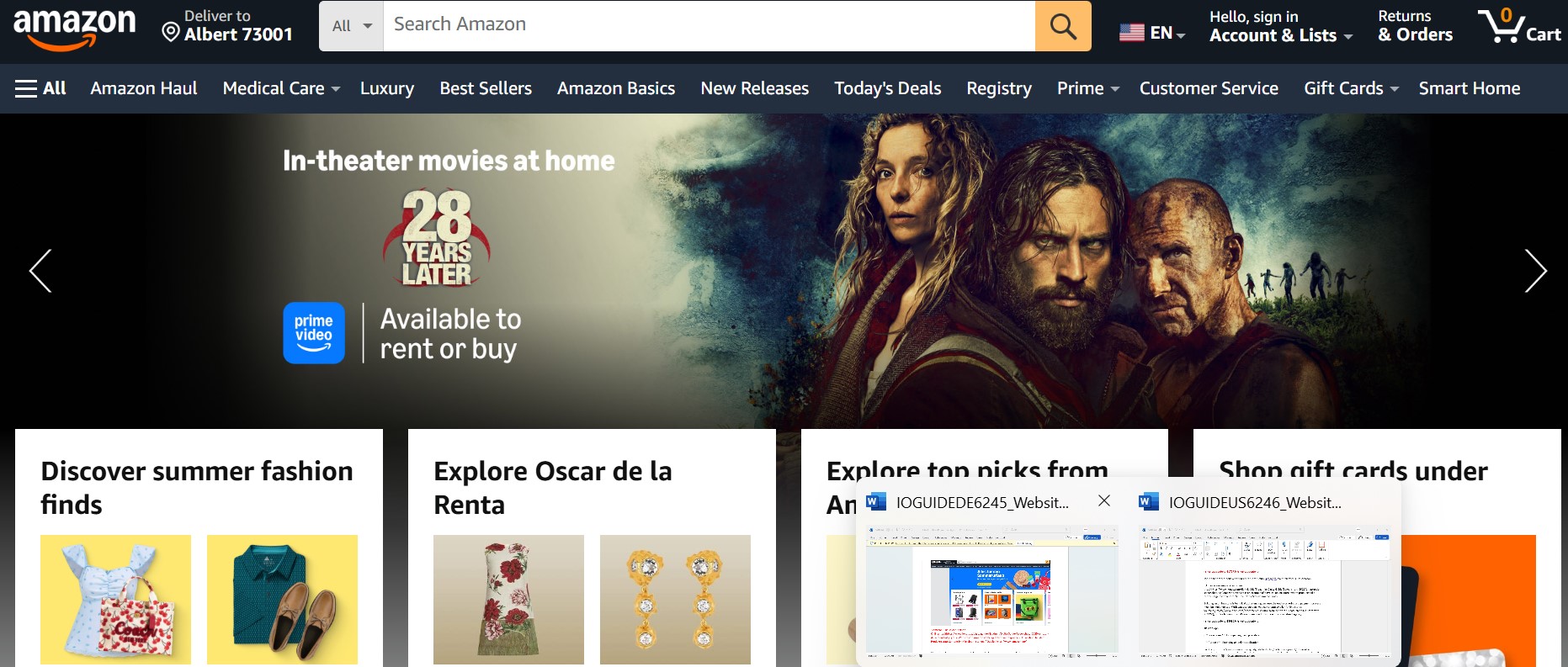
Building an online store is technically challenging because the entire ordering and payment process must be implemented. With website builders, you can create smaller online stores yourself, but for larger stores, it’s recommended to work with a specialized agency.
- Get started with stunning designs
- Grow with advanced marketing and admin tools
- Sell on social and online marketplaces
Web app
-
For whom? IT companies, SaaS providers
-
Purpose: Providing an online application
Web apps aren’t websites promoting a product — they are the product. Whether for project management, financial administration, or travel expense reporting, more and more software doesn’t require a download but can be used in a browser as a web app.
A web app still needs some corporate website-style pages to explain features, benefits, and pricing. But unlike a digital business card site, users can register and start using the tool right away.
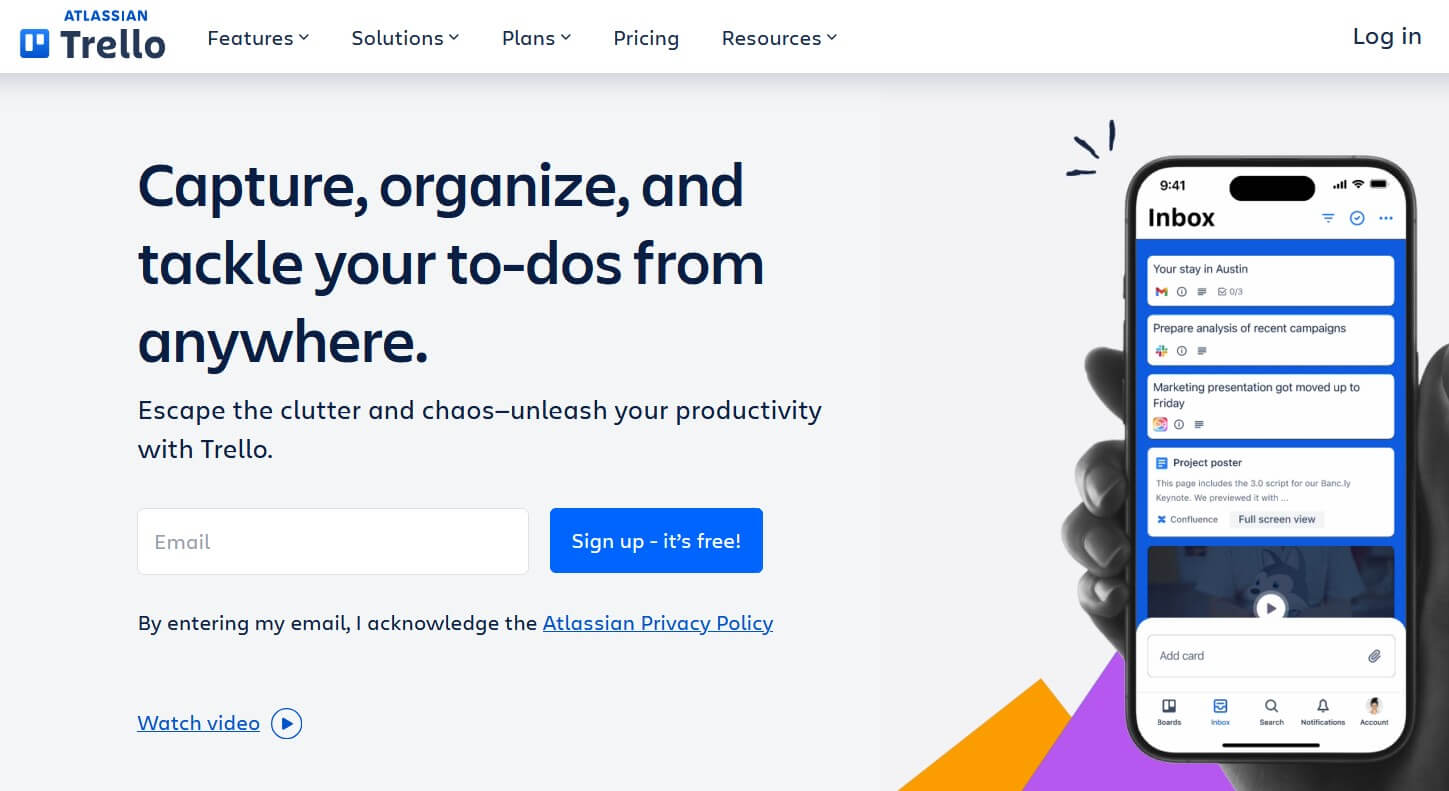
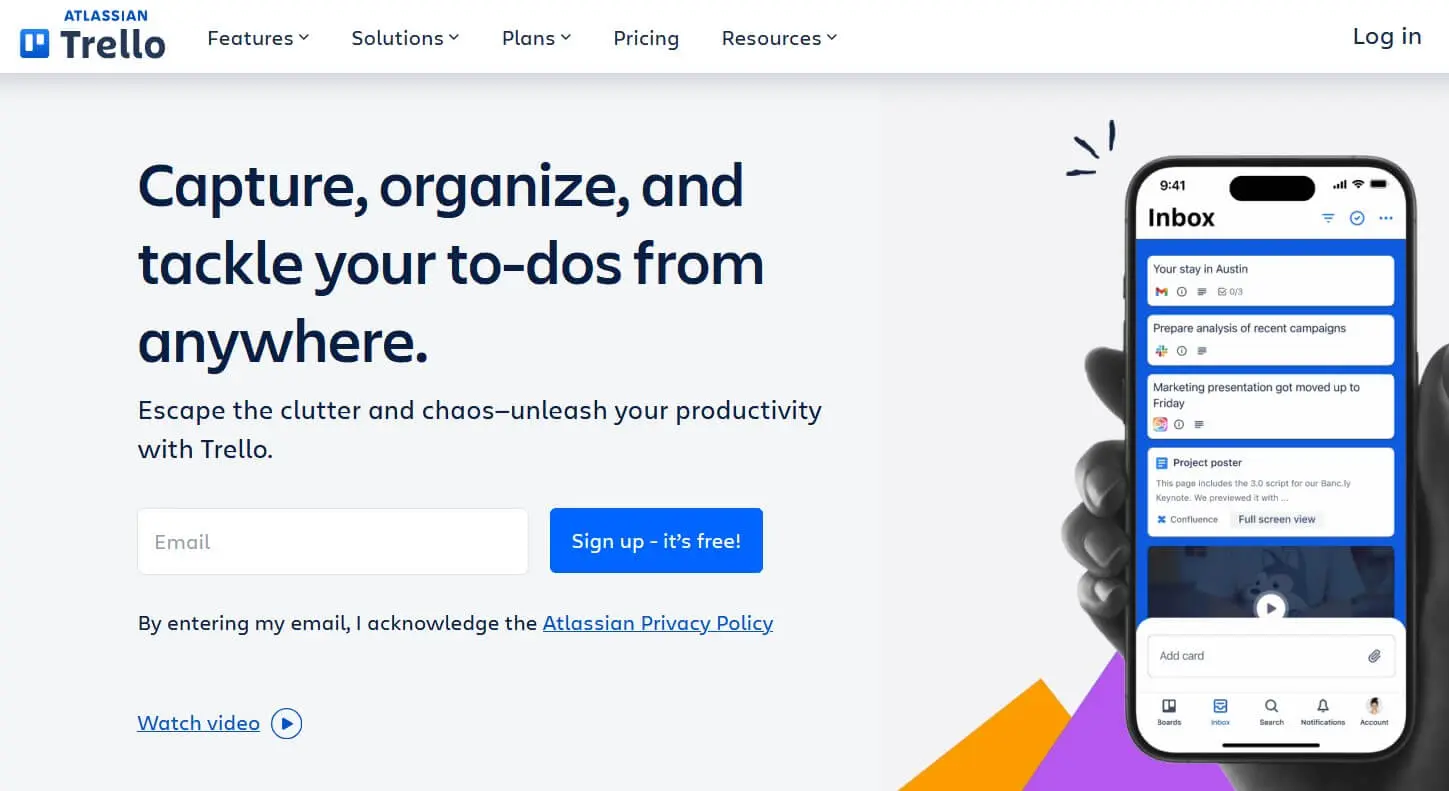
Trello is one of the best-known project management apps and is designed purely as a web app. All you need is internet access to log in from anywhere. For remote teams, web apps are a practical solution.
Which website type is right for me? Quick check
Our overview should have shown you how different websites can be. Still unsure which kind of website best suits your goals? Here’s a quick decision aid:
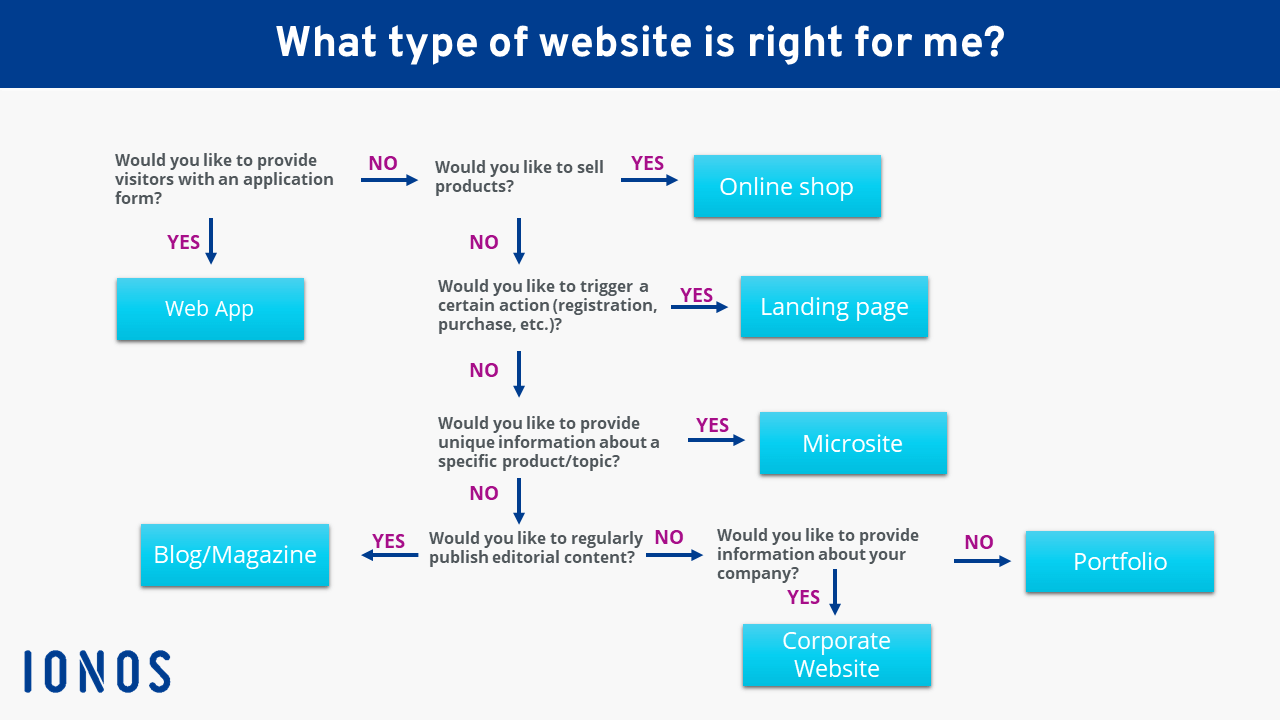
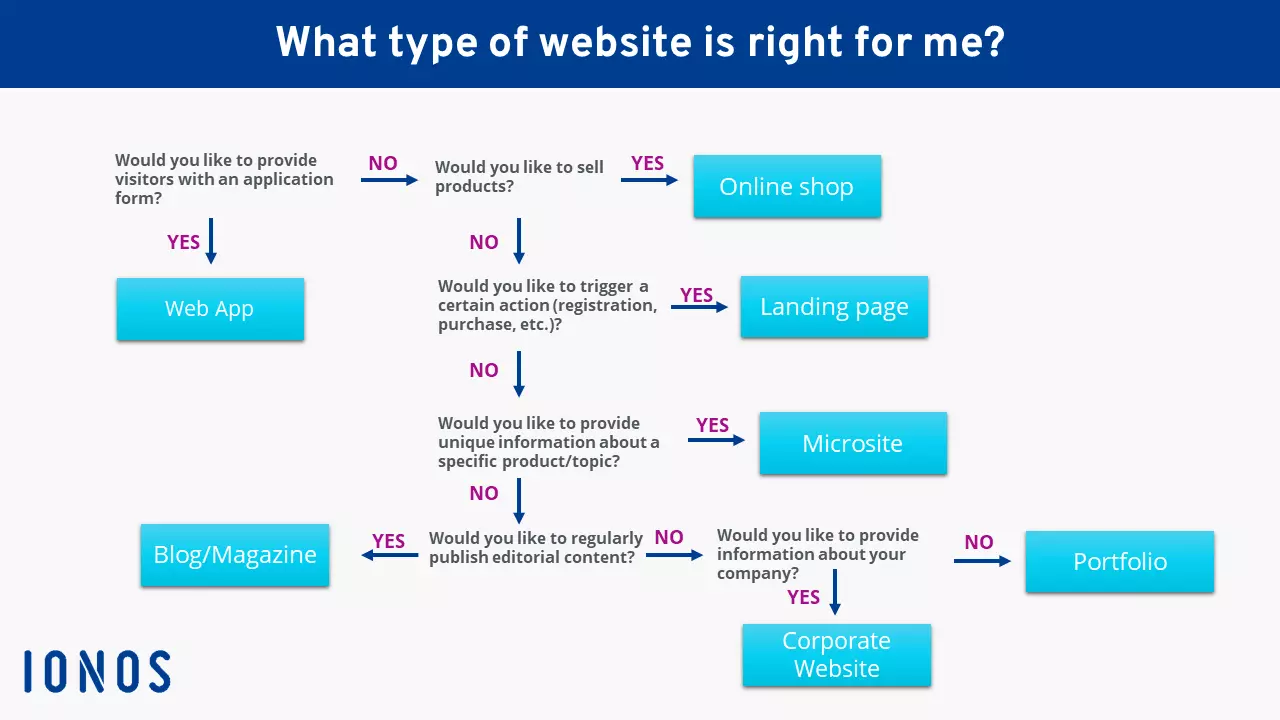
Before experimenting with website builders or hiring a professional, take the time to create a concept and decide which website types make sense for you. Otherwise, you may need to make adjustments later if you don’t achieve the desired results — a hassle that can be avoided.
Having clarity on your website requirements and understanding the differences between website types will also help you communicate with agencies and service providers. You’ll be able to work more efficiently and achieve better results.
- Free Wildcard SSL for safer data transfers
- Free private registration for more privacy
- Free Domain Connect for easy DNS setup