

[Un­sicht­bar] AI Model Studio

Image: What is reinforcement learning and how does it work?Titima Ongkan­tongShut­ter­stock

What is re­in­force­ment learning and how does it work?

The ability to learn from ex­pe­ri­ence and con­tin­u­ous­ly improve behavior is a major step toward more in­tel­li­gent machines. Re­in­force­ment learning enables this by allowing al­go­rithms to learn through rewards and penalties as they tackle complex tasks. This article explains how the…

Read more

Image: How do the top 10 RAG frameworks compare to one another?Ahmet Misirligulshut­ter­stock

How do the top 10 RAG frame­works compare to one another?

RAG frame­works connect large language models (LLMs) with current and spe­cial­ized data sources, creating AI systems that provide well-informed, fact-based responses rather than just gen­er­at­ing texts. This tech­nol­o­gy works es­pe­cial­ly well in knowledge bases, support systems and…

Read more
Image: What is hybrid RAG?sakkmesterkeshut­ter­stock

What is hybrid RAG?

With hybrid RAG, large knowledge bases can be searched more ef­fi­cient­ly and relevant in­for­ma­tion found faster. This approach blends tra­di­tion­al keyword search with AI-based semantic analysis to produce more accurate, context-aware answers. This article explains how hybrid RAG…

Read more
Image: What does fine-tuning vs. RAG mean in AI? A comparisonal­phaspir­it.itShut­ter­stock

What does fine-tuning vs. RAG mean in AI? A com­par­i­son

AI fine-tuning and RAG are two ways to get the most from large language models (LLMs). Fine-tuning delivers con­sis­tent answers and a defined style, while RAG injects up-to-date knowledge from external sources. Each has distinct strengths—and they can be pow­er­ful­ly combined.…

Read more
Image: How AI fine-tuning worksAhmet Misirligulshut­ter­stock

How AI fine-tuning works

AI fine-tuning allows pre-trained AI models to be specif­i­cal­ly tailored for special tasks. Busi­ness­es benefit from more accurate results, reduced data re­quire­ments, and lower costs. In this article, you will learn how AI and machine learning fine-tuning work, the ad­van­tages they…

Read more
Image: What is supervised learning?Titima Ongkan­tongShut­ter­stock

What is su­per­vised learning?

AI has already had a major impact on our lives and is expected to play an even larger role in the future. With AI, machines don’t have to wait for our input, they can solve problems on their own. But to achieve this, the al­go­rithms first need to be trained. With su­per­vised…

Read more
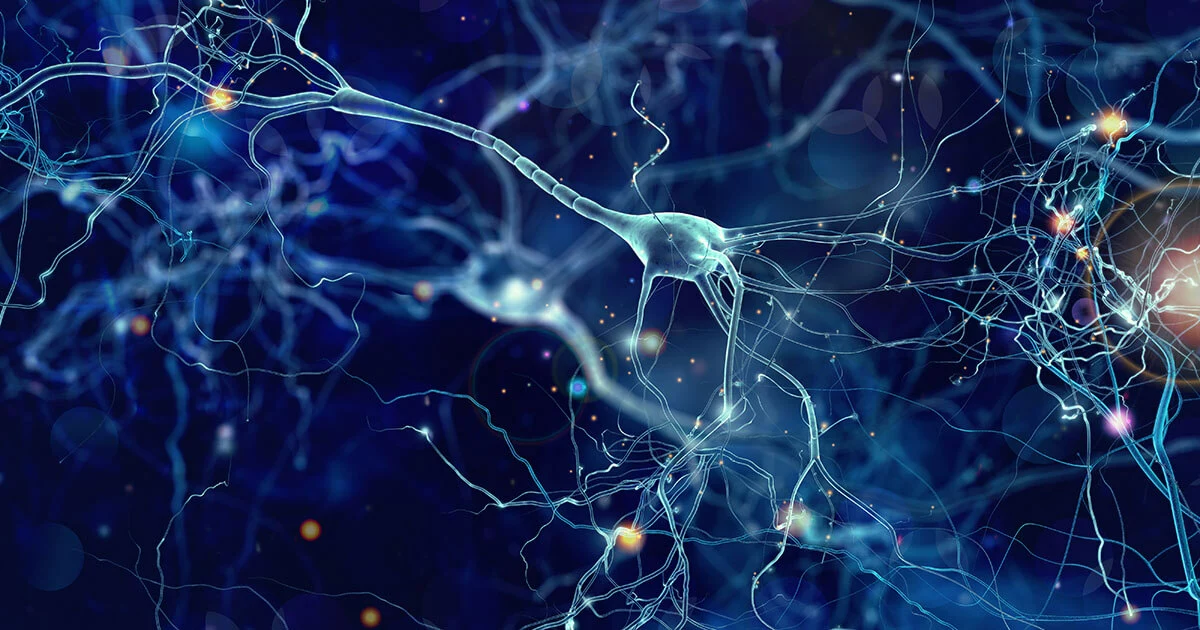
Image: What is a neural network?white­houneShut­ter­stock

What is a neural network?

Neural networks generate ar­ti­fi­cial in­tel­li­gence. They ensure that Siri, Alexa and Google respond to us ap­pro­pri­ate­ly and are also able to help medical pro­fes­sion­als recognize diseases earlier. The tech­nol­o­gy itself is not new, but it has seen rapid de­vel­op­ment in recent years.…

Read more
Image: What are large language models (LLM)? Definition & ExamplessdecoretShut­ter­stock

What are large language models (LLM)? De­f­i­n­i­tion & Examples

With large language models (LLMs), you can tap into the power of ar­ti­fi­cial in­tel­li­gence to process and make effective use of vast amounts of data. These practical models can self-train and are suitable for a wide range of ap­pli­ca­tion scenarios. Here, you’ll learn how large…

Read more
Image: What is retrieval-augmented generation (RAG)?sdecoretshut­ter­stock

What is retrieval-augmented gen­er­a­tion (RAG)?

Retrieval-augmented gen­er­a­tion (RAG) optimizes the output of large language models (LLMs) in order to provide answers that are more precise and con­tex­tu­al­ly relevant. In this dedicated article, we explain how RAG works, what ad­van­tages it offers and in which areas of business it…

Read more
Image: What is natural language processing?agsandrewshut­ter­stock

What is natural language pro­cess­ing?

The language errors and mis­trans­la­tions on Google Translate might often be good for a funny anecdote, but behind this slightly error-prone trans­la­tion tool lies one of the most complex computer tech­nolo­gies ever developed. Natural language pro­cess­ing may still be in a rel­a­tive­ly…

Read more